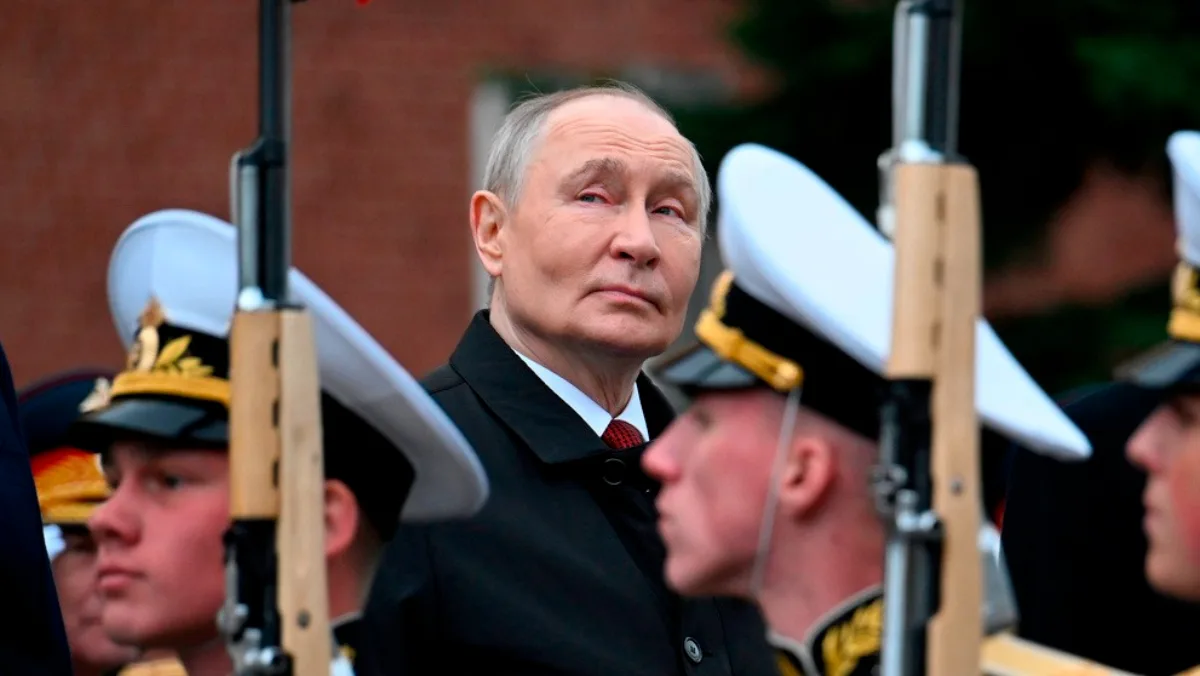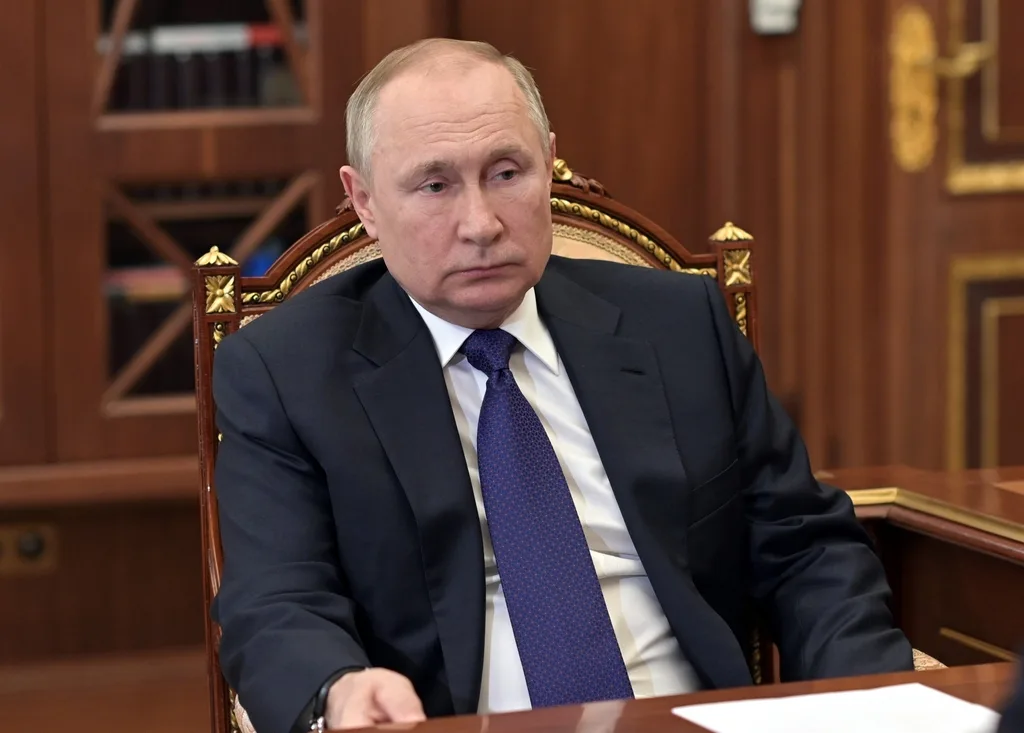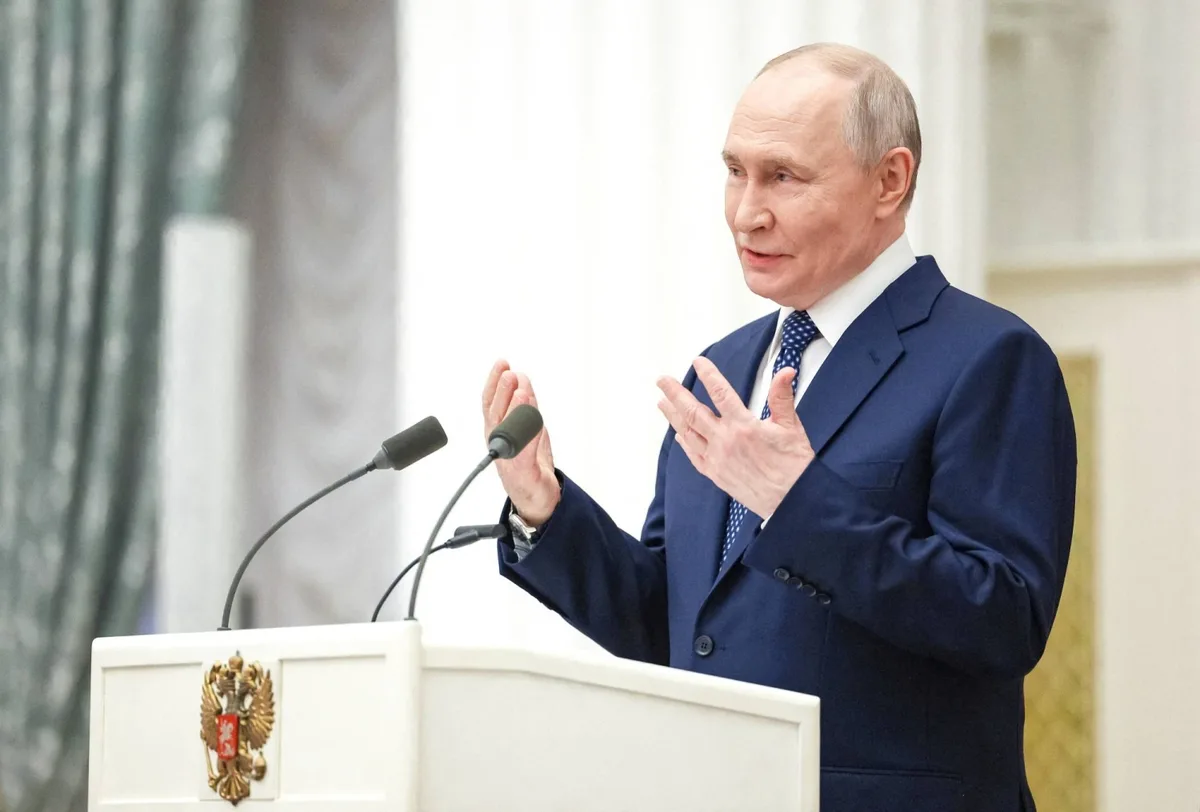
Senior officials in Russia's Finance Ministry and central bank have warned President Vladimir Putin that spending on the war in Ukraine is on an unsustainable path and risks dangerously widening the government's budget deficit. They have proposed further cuts to defense spending, saying it is difficult to mend Russia's stretched public finances without improving efficiencies [1, 2, 3, 4].
Finance Minister Anton Siluanov predicted war spending this year will exceed the budget by at least $28 billion USD. About 40% of Russia's 2026 budget is allocated to defense and security, highlighting the scale of military expenditures that strain public finances [5, 4]. Siluanov said, “Public expenditures require certain restraint. Defense and social responsibilities of the government are spending priorities,” stressing the need to balance these demands amid fiscal pressures [3].
Government spending increased nearly 16% in the first four months of 2026 compared to last year, with national procurement up 41%. These increases were partly financed by drawing down social welfare reserves as falling oil and gas revenues lowered income for the government [2, 3]. Russia's overall budget deficit expanded to 5.9 trillion rubles—about 2.5% of GDP—from January to April 2026 [2, 3]. The country's economic growth forecast for 2026 was lowered to 0.4%, with the first quarterly contraction in three years recorded in Q1 [2, 3].
The Defense Ministry opposes cuts, demanding additional funding and warning that reductions would harm companies reliant on defense contracts. A Kremlin official said any spending cuts depend entirely on Putin, who remains the ultimate arbiter [2, 3, 4]. Putin has instructed the Finance Ministry to find savings in non-defense areas first before cutting the military budget [5, 2, 3, 4].
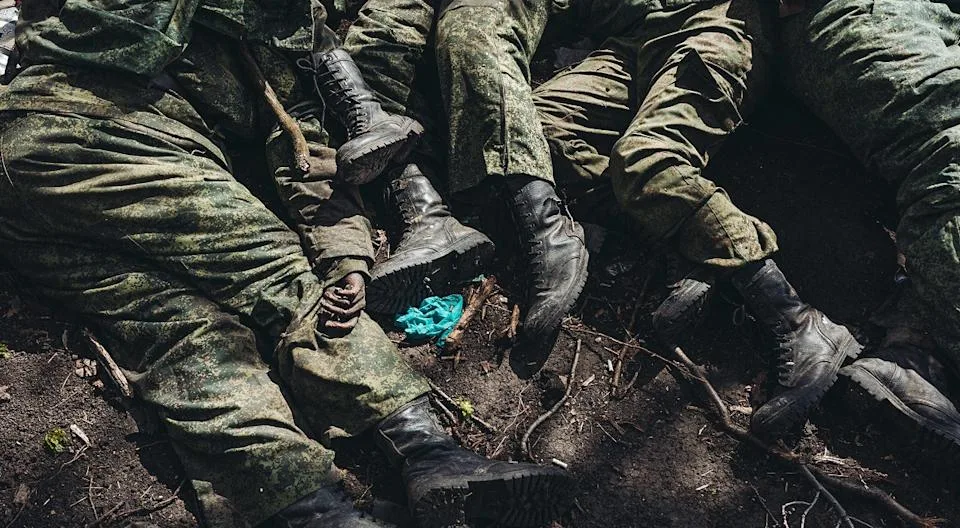
Russia launched a large-scale missile and drone attack on Ukraine on June 2, using 729 air weapons including 73 missiles and 656 kamikaze drones. The strikes killed at least 22 people, underscoring Moscow's ongoing military efforts despite financial challenges [5, 4, 6]. Ukraine’s Foreign Minister Andrii Sybiha stated that Russia is retreating on the battlefield and “only has terrorism left to rely on” [5, 7, 4].
The government faces mounting internal economic and political pressures from prolonged war costs, including fuel shortages, rationing, and increased burdens on oligarchs and companies [6]. Finance Minister Siluanov previously urged freezing about $40.8 billion USD of non-war spending and called for fiscal restraint as early as February 2026 [5, 4]. He also warned the 2027-28 war-related spending will see significant overruns.
Russia’s authorities continue to balance military spending demands against worsening budget deficits and economic contraction. The next major budget review and public fiscal report are expected later this year, as the government seeks ways to address the widening funding gap projected to reach trillions of rubles.