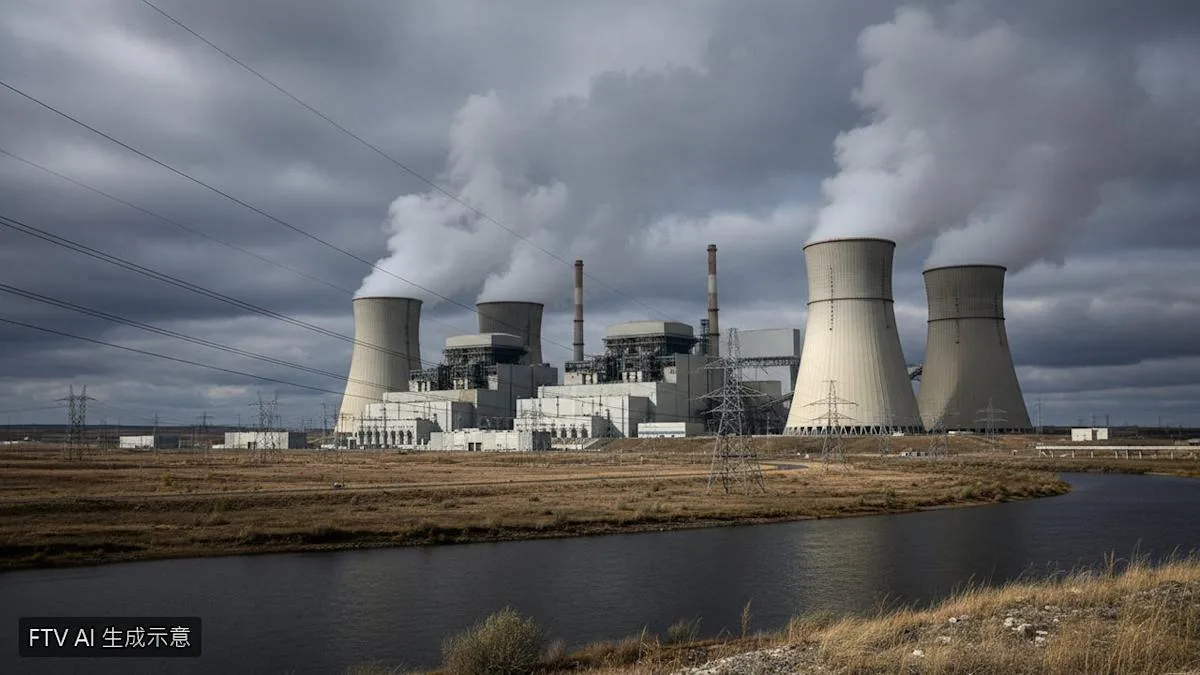
The Zaporizhzhia nuclear power plant in Ukraine, under Russian control since early 2022, is facing increasingly dangerous conditions due to repeated Ukrainian attacks, Rosatom chief Alexei Likhachev said on May 18, 2026 [1, 2, 3]. Likhachev said the situation is "getting closer and closer to the point of no return" and called for a de-escalation to avoid a potential catastrophe [1]. He added, "This is playing with fire and is, in the first instance, dangerous for Eastern European countries" [1].
The plant is the largest nuclear facility in Europe, housing six reactors and about 2,600 metric tons of nuclear fuel [1, 2, 3]. While not currently generating electricity, the plant must maintain cooling operations to keep the fuel stable [1, 2].
Russian-installed management reported Ukrainian forces attacked the Zaporizhzhia site for the third straight day by May 18. A recent drone attack caused no injuries or damage, and normal operations continued [1, 2]. However, damage documented to International Atomic Energy Agency (IAEA) monitors came from a May 17 Ukrainian shelling strike on a transport workshop within the plant perimeter [1, 2].
Russian forces seized control of the plant at the start of the 2022 invasion, amid ongoing fighting and mutual accusations by Russia and Ukraine over actions endangering nuclear safety [1, 2, 3]. The IAEA has sent multiple inspection missions and urged establishment of safety zones around the complex, as the conflict threatens external power and cooling system stability [3].
Likhachev said, "All of Europe now needs to expend efforts to de-escalate the situation around the Zaporizhzhia Nuclear Power Plant" [1]. The warnings come after three days of intensive assaults from Ukrainian forces on Russia-held facilities, raising international concerns about nuclear safety in the war zone [1, 2].