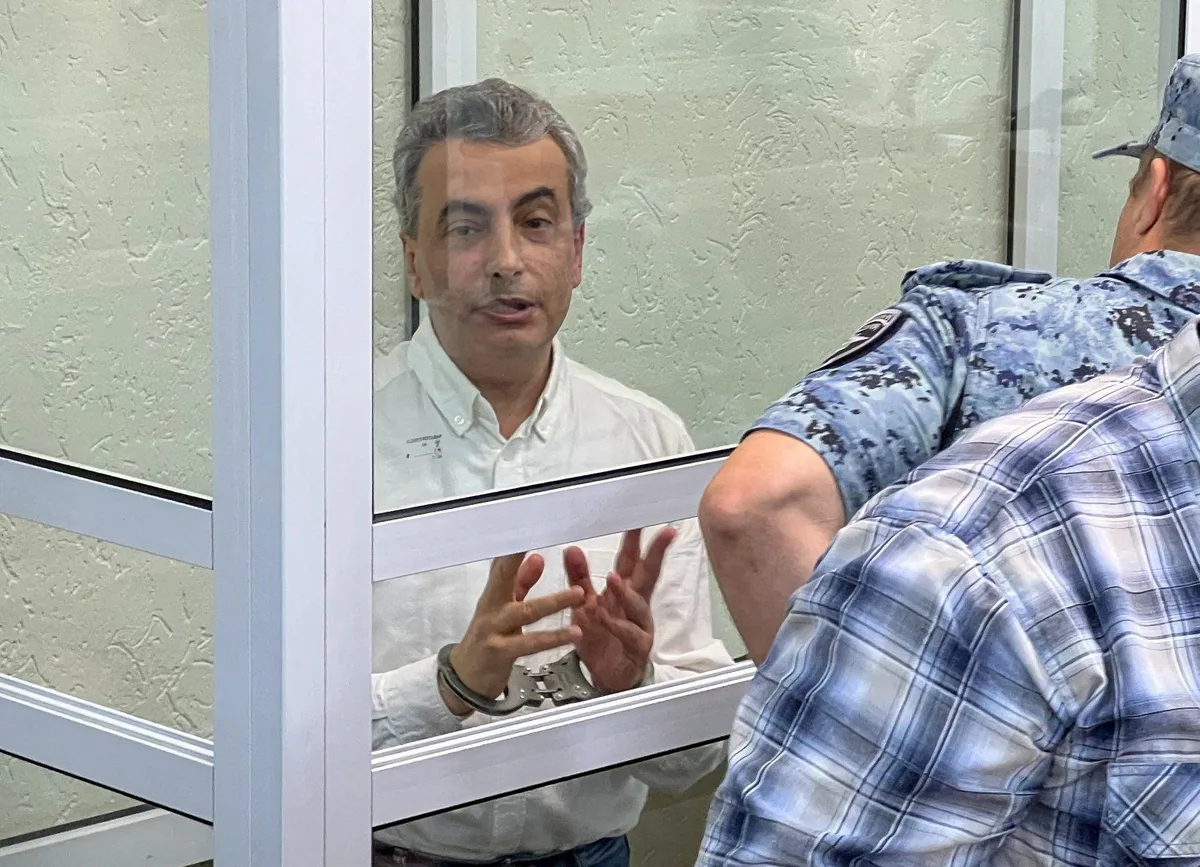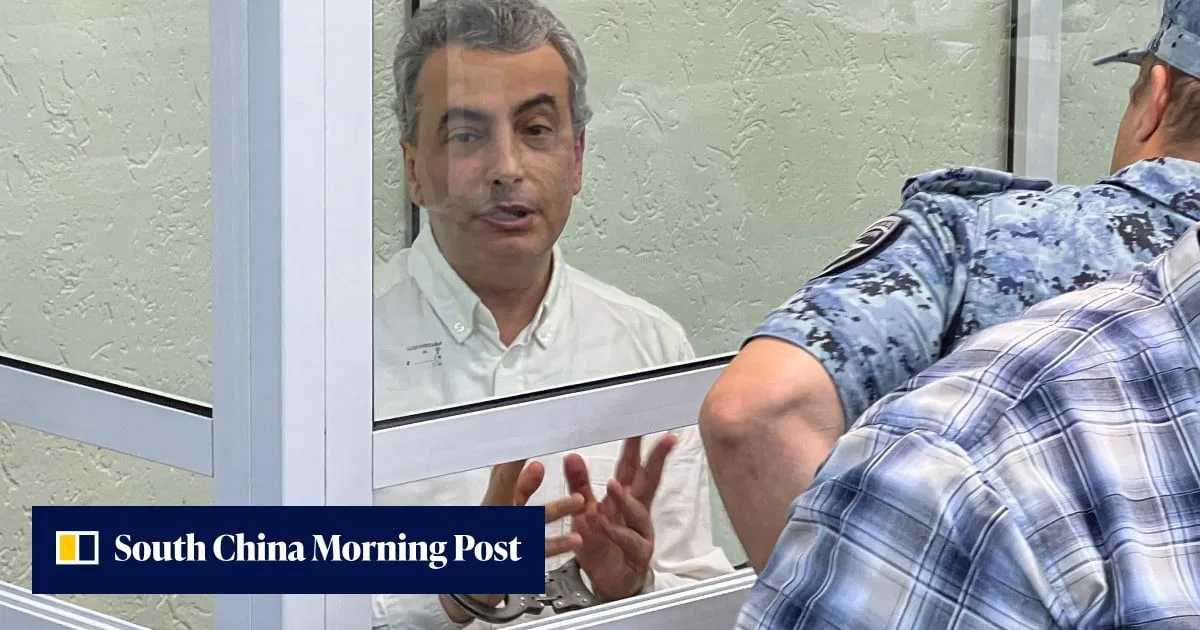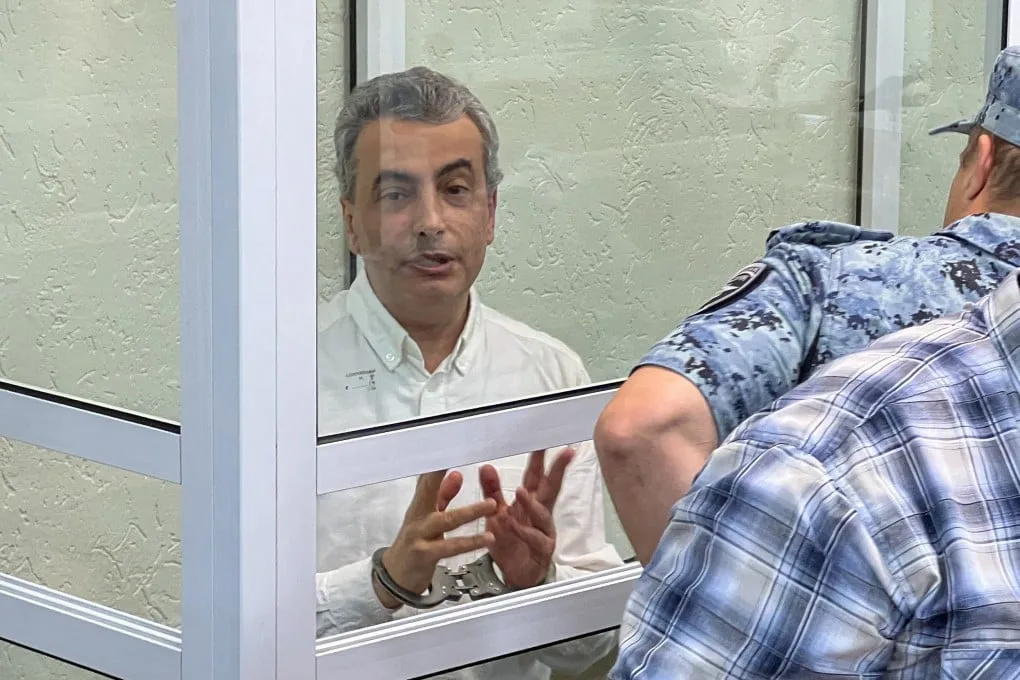
Lev Shlosberg, a senior member and deputy chairman of Russia’s Yabloko party, was sentenced on August 17 to 11 years and one month in prison for ‘discrediting’ and spreading ‘false information’ about the Russian military in connection with his opposition to the war in Ukraine [1, 2, 3, 4]. The sentencing followed a court case that centered on Shlosberg’s participation in a public debate calling for an end to the conflict and his posting of a British tabloid image that criticized Russian President Vladimir Putin's role in the war [1, 3, 4].
Shlosberg is one of the few opposition politicians remaining in Russia who openly challenge the Kremlin’s military actions since the invasion of Ukraine in February 2022 [1, 3, 4]. He has consistently condemned the Kremlin’s use of force since Russia’s annexation of Crimea in 2014 [3, 4].
The charges brought against Shlosberg fall under Russian laws that criminalize criticism of the military, including articles punishing ‘discrediting’ the armed forces or spreading ‘false information,’ which carry maximum sentences of up to 15 years in prison [3, 4]. Amnesty International called Shlosberg’s trial and sentencing an arbitrary act designed to suppress his peace advocacy and freedom of speech [3, 4].
At the same time, Russia’s Supreme Court rejected an appeal from the Yabloko party to overturn its ban from participating in the upcoming parliamentary election scheduled for September 18-20, 2026 [1, 3, 4]. Yabloko is the only official political party in Russia openly opposing the war and is currently appealing the election ban [1, 3, 4]. Grigory Yavlinsky, Yabloko’s founder, called the verdict against Shlosberg “a tragic collapse of modern Russian justice,” while party chairman Nikolay Rybakov vowed to use all legal means to overturn the sentence [3].
Shlosberg’s sentencing and Yabloko’s election ban mark a sharp intensification of the Kremlin’s crackdown on dissent ahead of the September parliamentary vote [1, 2, 3, 4]. The political pressure reflects Moscow’s efforts to silence anti-war voices within the country.
The parliamentary election in Russia is scheduled for September 18-20, 2026, with Yabloko’s participation barred by the Supreme Court’s recent decision [1, 3, 4]. Appeals from the party against this ruling are ongoing.