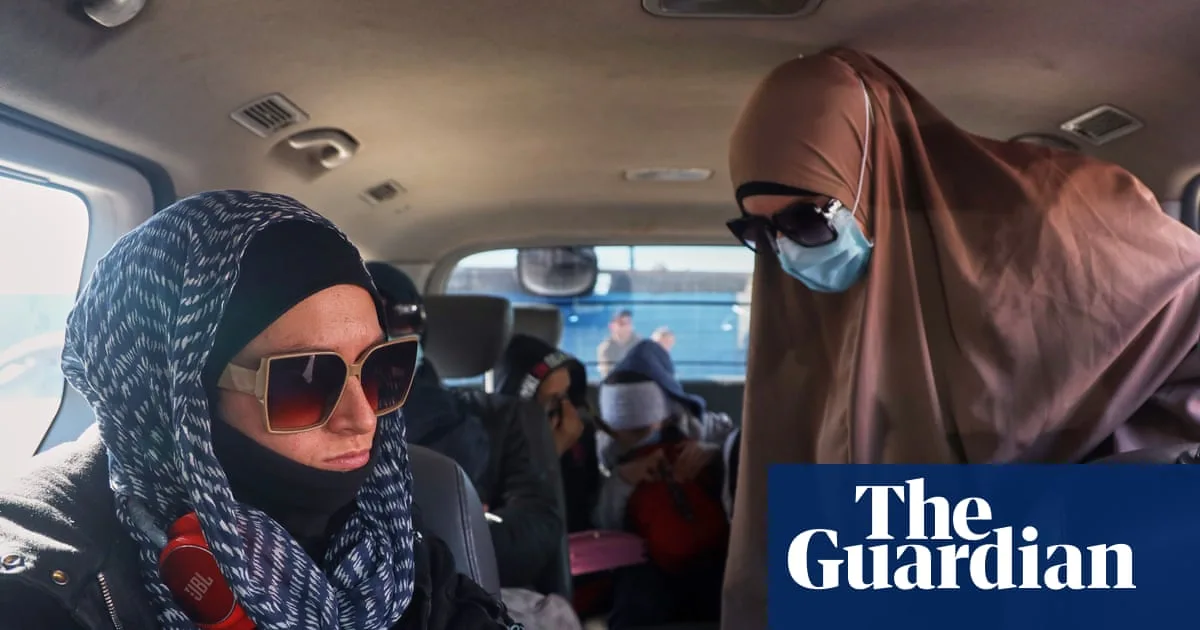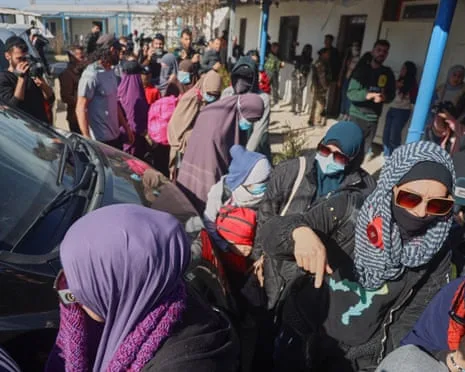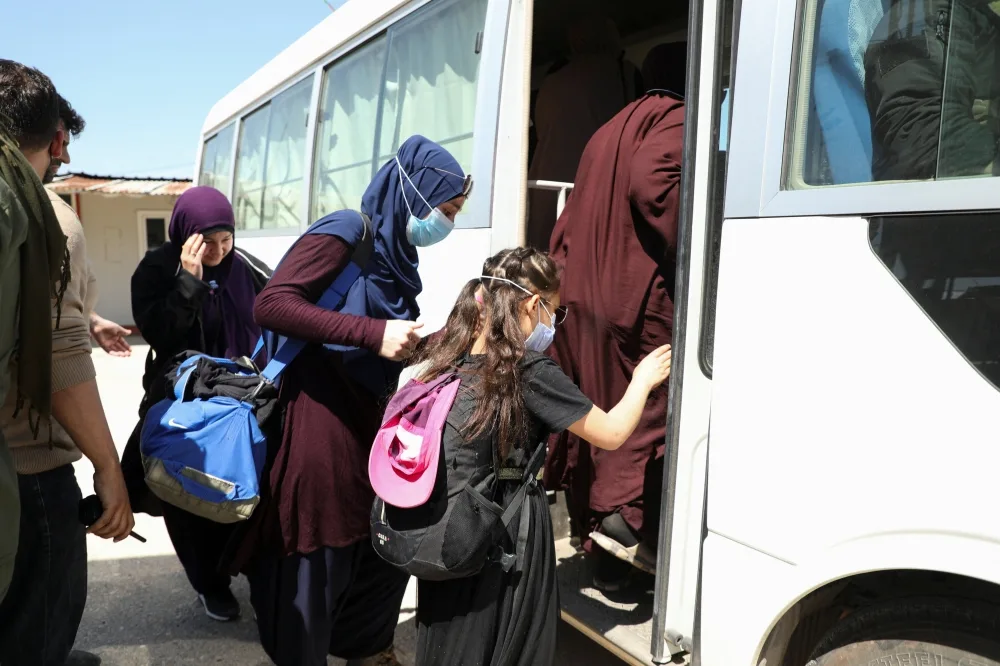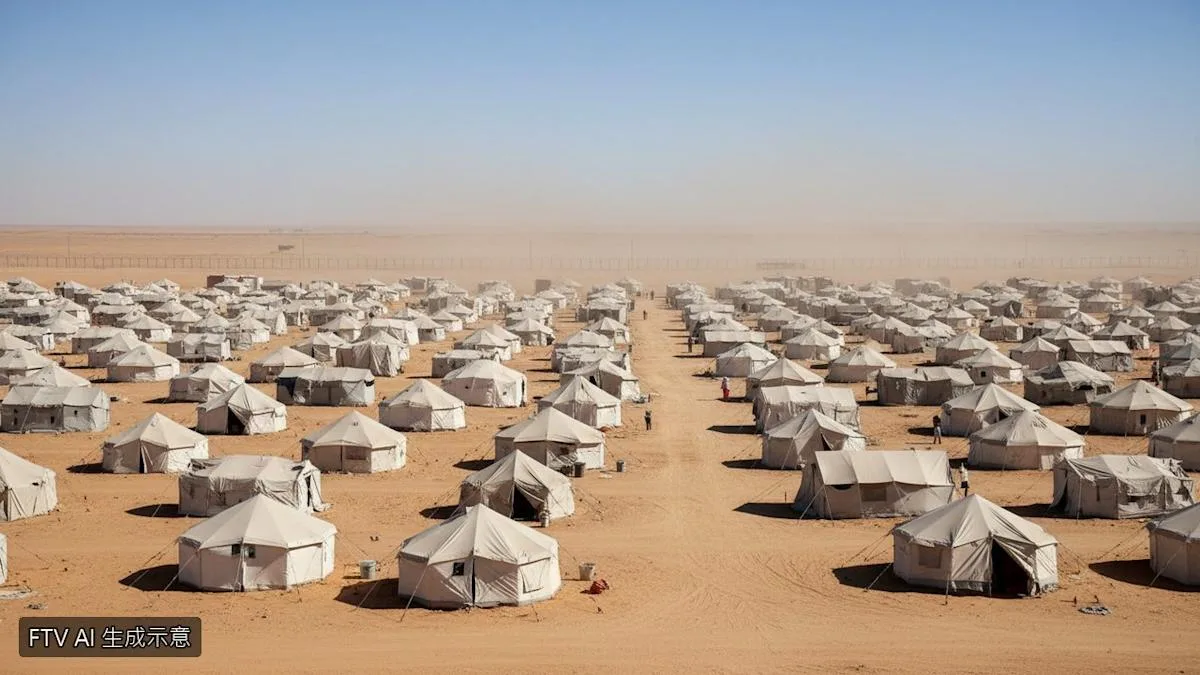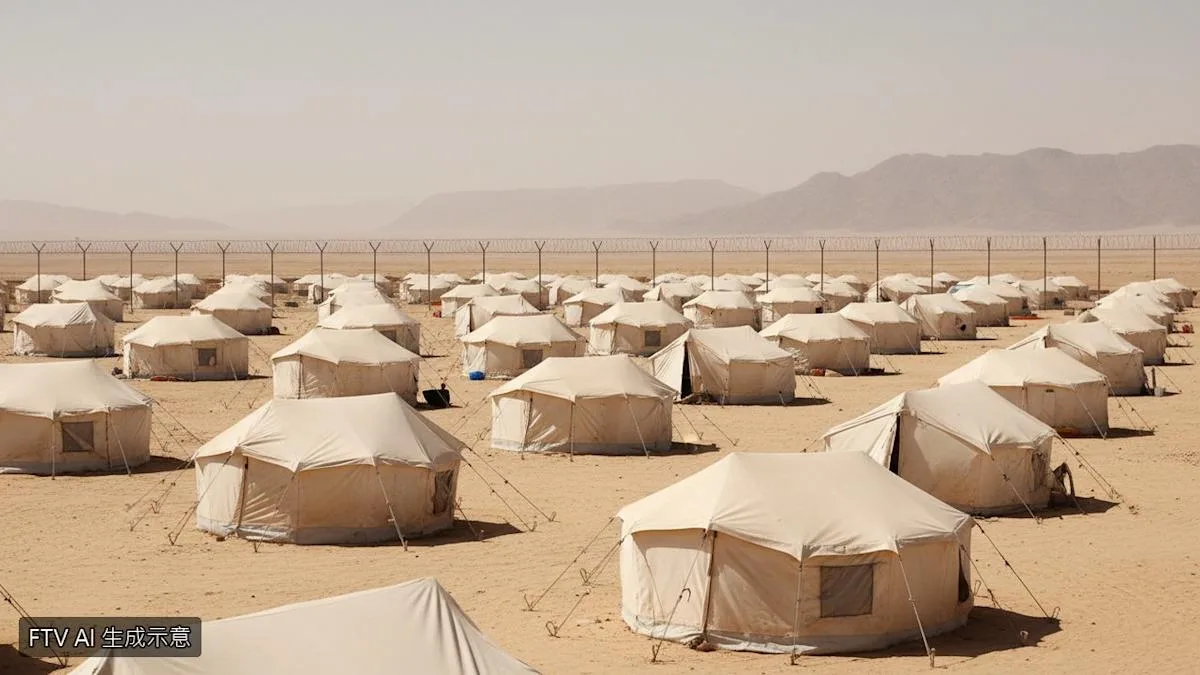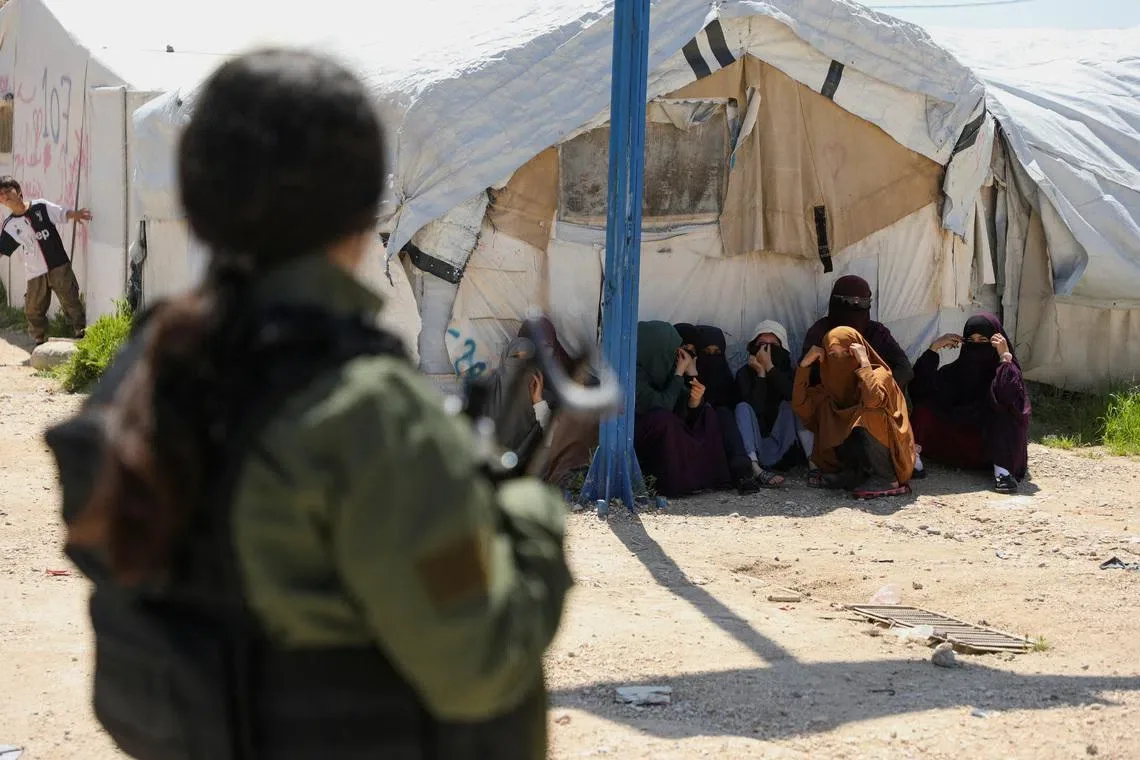
A group of 7 Australian women and 12 children connected to ISIS left the Roj refugee camp in northeast Syria on May 21, 2026, and began returning to Australia this month [1, 2, 3, 4, 5, 6]. Some members of the group landed in Melbourne, with others expected to arrive in Sydney shortly after May 26 [7, 3, 5, 6].
This is the second group to repatriate from Syria in May. An earlier group of 4 women and 9 children linked to ISIS returned earlier in the month after over seven years in Syrian Kurdish-controlled camps [1, 2, 3, 4, 5, 6]. The first group numbered 13 total, while the second group includes 19 people [3, 4, 5, 6].
Most of these women traveled to Syria between 2012 and 2016 to join their husbands, who were allegedly involved with ISIS [1, 2, 3, 4, 5, 6]. After the ISIS caliphate collapsed in 2019, many family members were detained by the Kurdish-led Syrian Democratic Forces in camps such as Roj [1, 2, 3, 4, 5, 6]. In January 2026, the United States began relocating detained ISIS members following the collapse of these Syrian forces [1, 2].
The returning group includes women named Nesrine Zahab, Sumaya Zahab, Aminah Zahab, Kawsar Kanj with five children, and Kirsty Rosse-Emile with two children [7]. Australian police have searched their belongings and electronic devices for ongoing investigations [6].
Home Affairs Minister Tony Burke condemned their past choices, saying, "These are people who have made the horrific choice to join a dangerous terrorist organisation and to place their children in an unspeakable situation" [1]. He added, "Any members of this cohort who have committed crimes can expect to face the full force of the law" [3]. Burke emphasized, "The priority of the government, as always, is the safety of the Australian community" [7].
Two women from the first returned group have been charged with slavery offences, while another faces terror-related charges including joining ISIS [1, 2, 3, 5, 6].
The government states it is not assisting the travel of returnees and cites legal limits on preventing citizens from returning [1, 2, 4, 6]. Some political opponents have criticized the government for allowing repatriations.
Law enforcement and intelligence agencies have prepared since around 2014 to monitor such returns and handle investigations [1, 2, 7]. Authorities continue to process the incoming group and investigate any potential criminal activity linked to their time overseas [6].