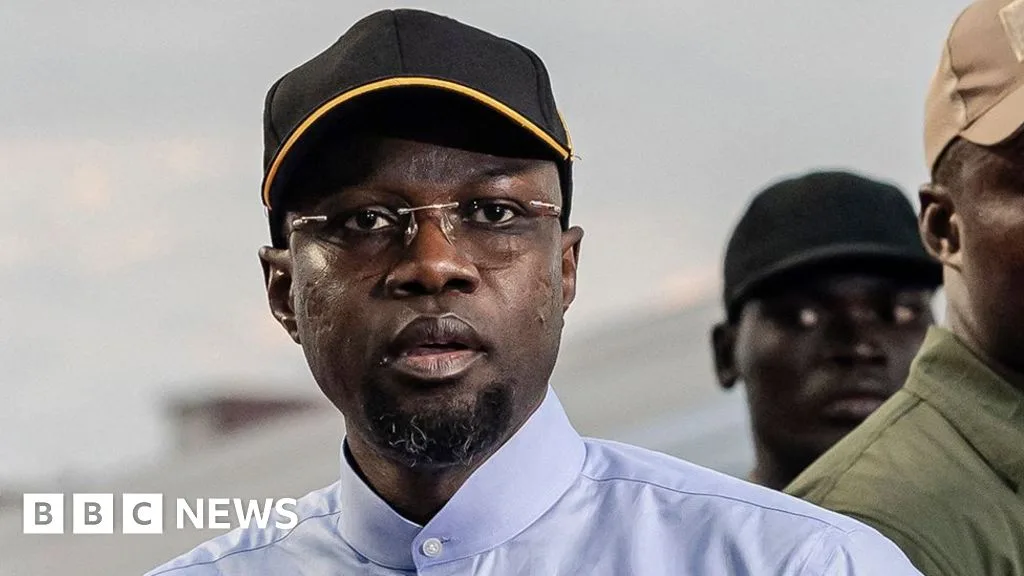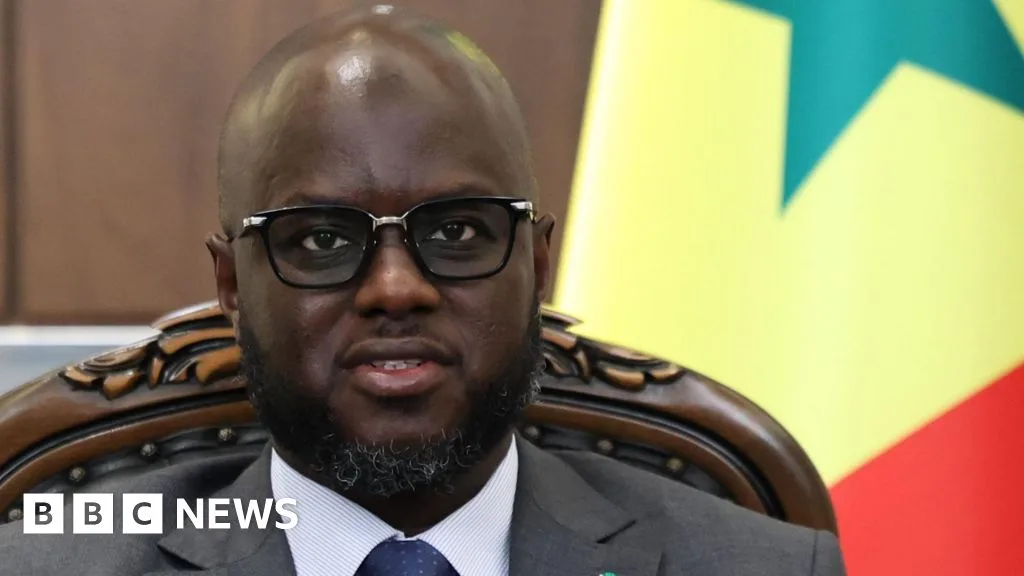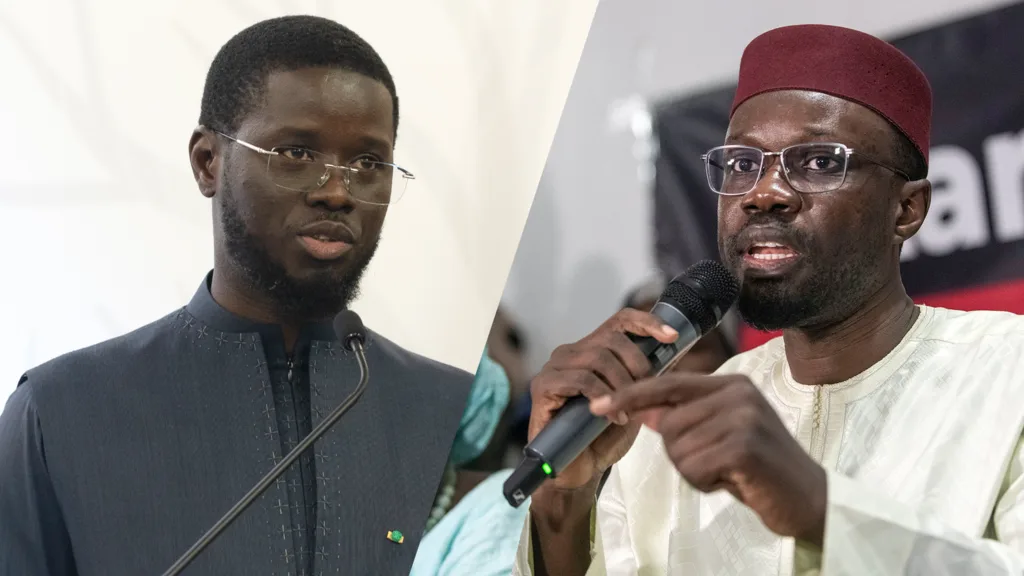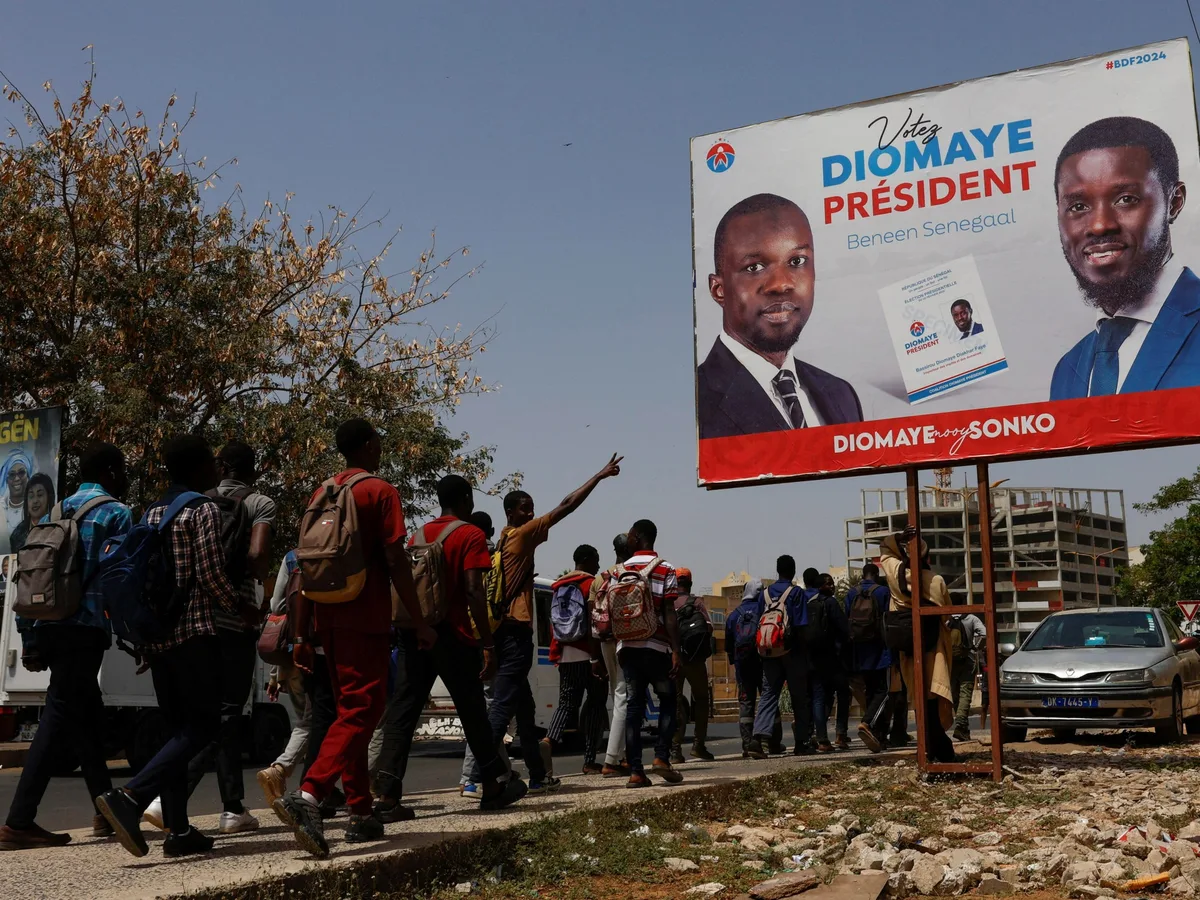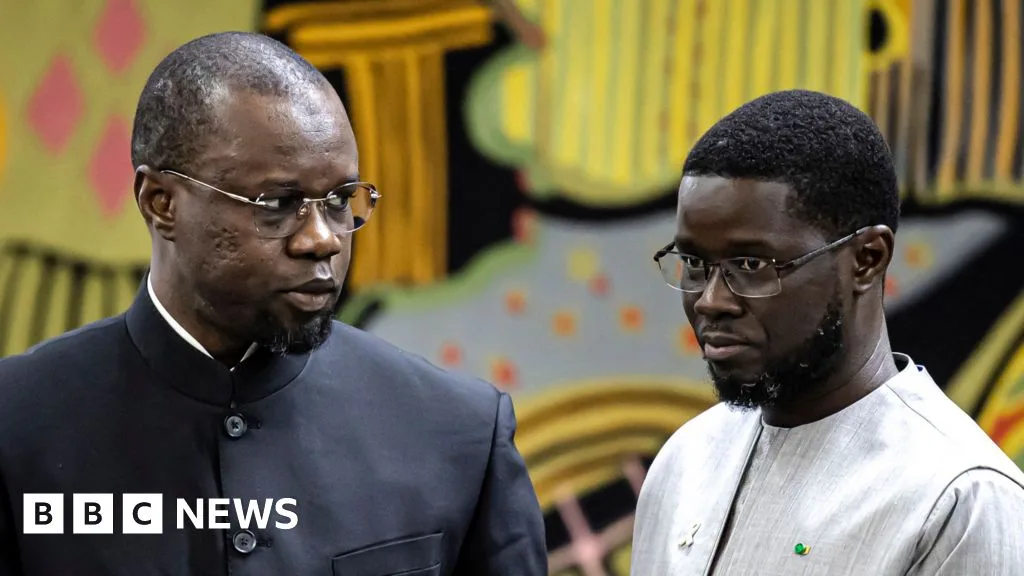
Senegal President Bassirou Diomaye Faye sacked Prime Minister Ousmane Sonko and dissolved the government on Friday, May 23, after months of escalating tensions between the two leaders [1, 2, 3, 4]. Sonko, a popular figure especially among the youth, leads the ruling Pastef party which holds a parliamentary majority [1, 5, 4, 6].
The dismissal came after Sonko openly criticized President Faye in parliament and publicly accused him of leadership failures, deepening their already strained relationship [1, 2, 6]. Relations between Faye and Sonko had deteriorated over disagreements about party leadership and governance [1, 2, 6]. Sonko was barred from running in the 2024 presidential election due to a defamation conviction but remained a key political figure [5, 4, 6].
Following the government’s dissolution, Parliament Speaker El Malick Ndiaye resigned on Sunday, May 25, clearing the path for Sonko to run for the speaker position [7, 6, 8]. Ndiaye said his resignation was a "personal choice, guided above all by my notion of institutions, public responsibility and the greater interest of the nation" and that at times "the interest of the country commands to prioritise integrity, discernment and sense of duty" [7, 8].
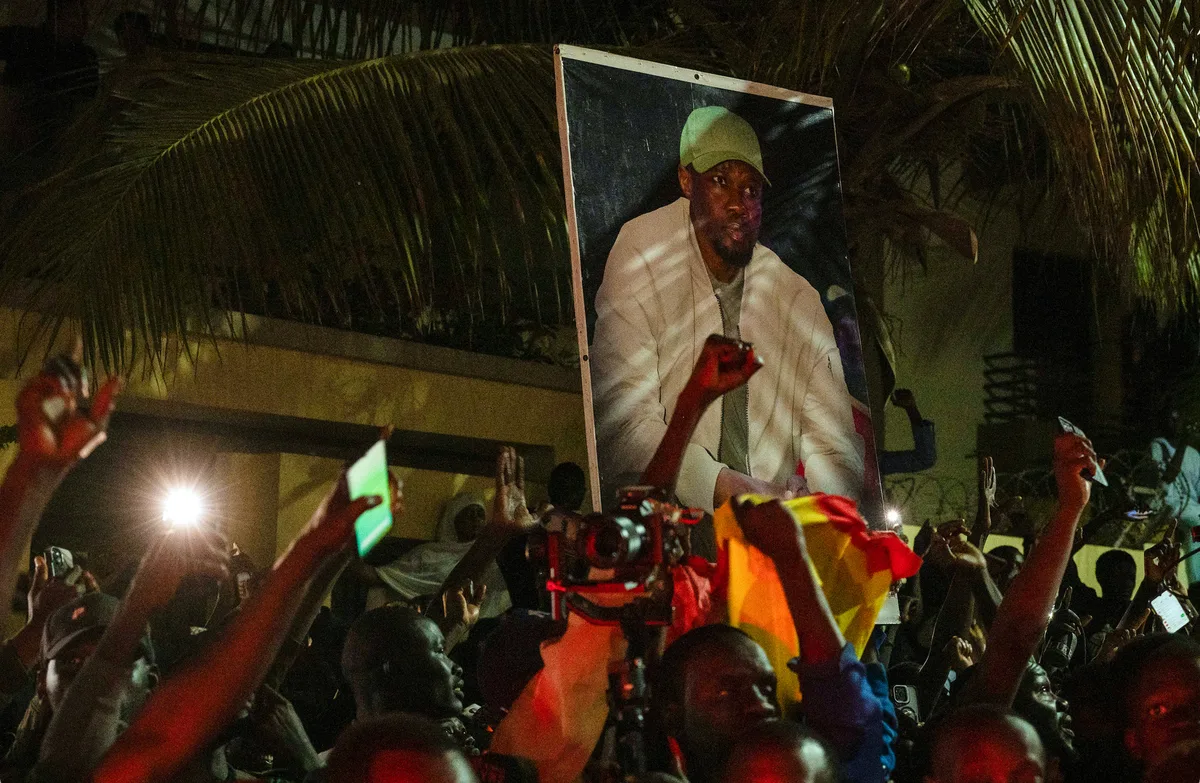
Sonko was elected Speaker of the National Assembly on Monday, May 26 [5]. He expressed relief, saying, "Alhamdulillah (praise be to God). Tonight I will sleep soundly in the Keur Gorgui neighbourhood" [2]. He remarked on his political rivals, "If they have opted for these practices, it's their problem, but we don't have any lessons to take from them, absolutely none" [2].
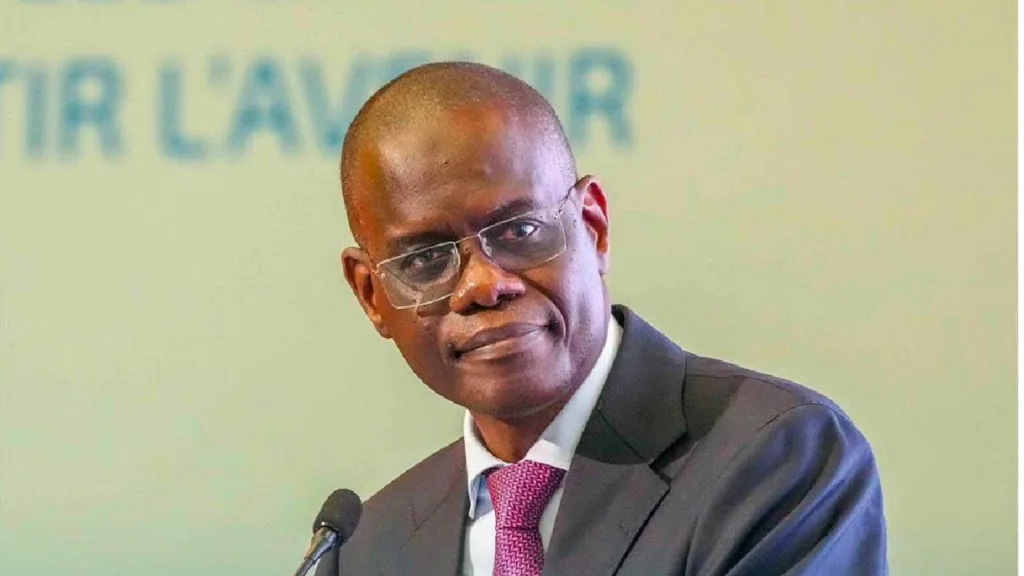
President Faye appointed economist Ahmadou Al Aminou Lo as the new Prime Minister also on May 26 [5, 9]. With Sonko’s dismissal, he is set to return to his seat in parliament, having resigned it in 2024 to take up the prime ministership [7].
Senegal faces serious economic challenges, including a public debt amounting to 132% of GDP, a frozen $1.8 billion IMF lending program, and delayed talks with the IMF [1, 4, 8]. The current parliament’s mandate lasts until November 2026, and the president cannot dissolve it until two years after the last election [7, 5].