Severe storms battered central and southern China on July 6 and 7, producing tornadoes, flooding, and damage to thousands of houses across multiple provinces [1, 2, 3]. The death toll from these events and related landslides has reached at least 36, with Gansu province suffering the highest losses [1, 3, 4].
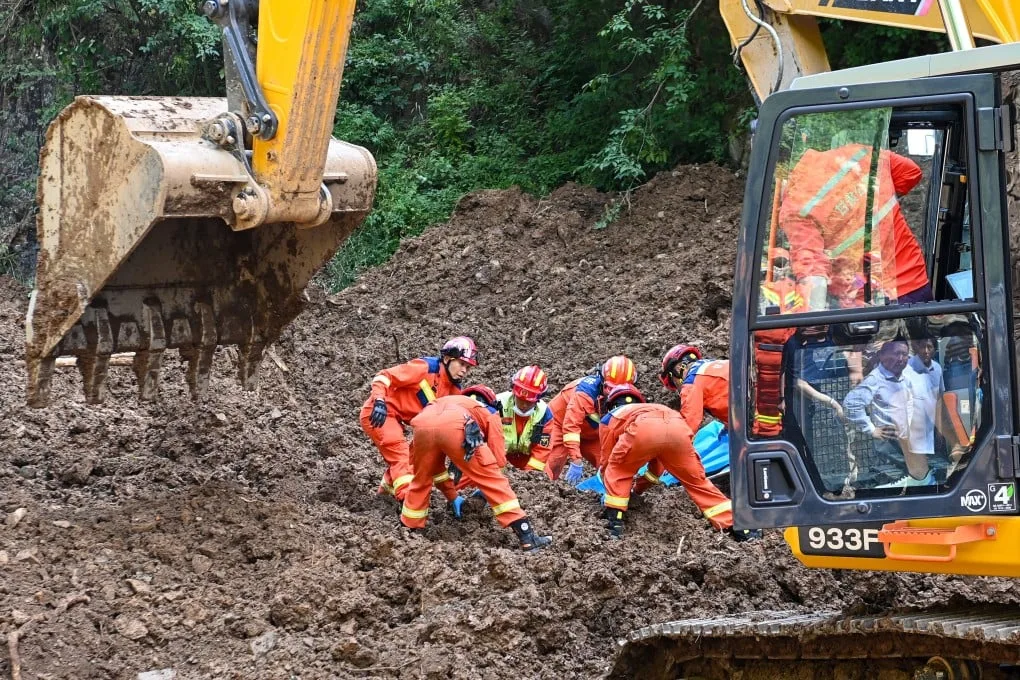
A landslide in Tanchang county, Gansu province, buried 33 people. Emergency teams recovered 21 bodies and reported seven injured before concluding rescue operations on July 8, according to officials [5, 6, 4]. Chinese President Xi Jinping called for "all-out efforts to rescue those affected by the natural disaster," directing emergency services to "go all out in organising emergency operations" across the regions hit [1, 2, 7].
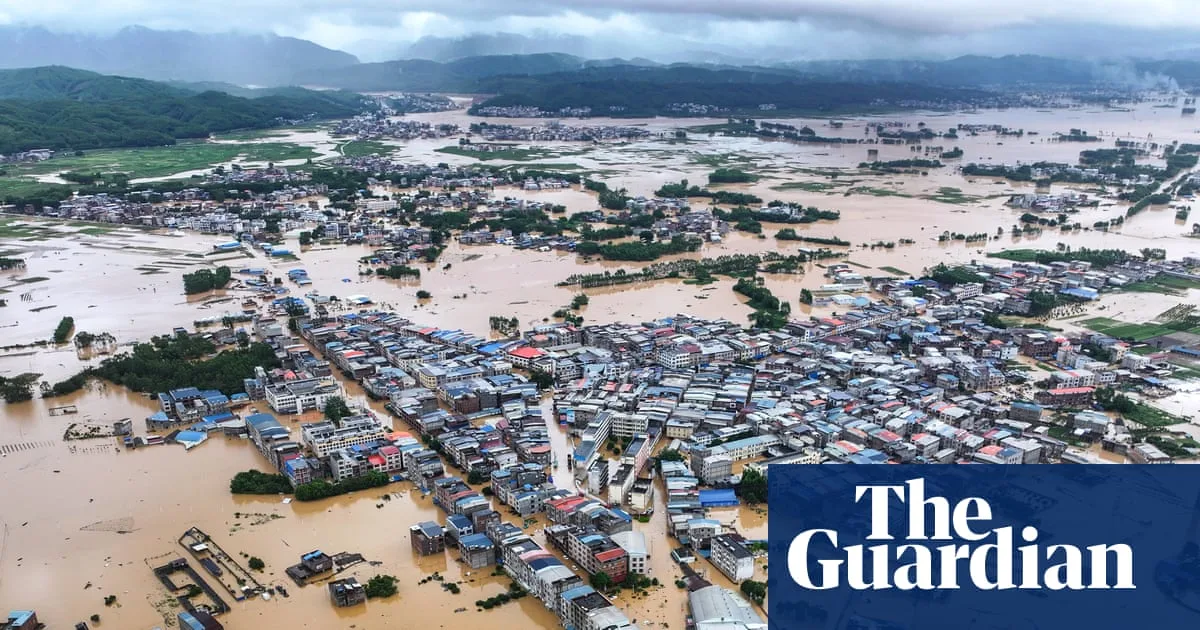
Severe convective weather swept through Hubei province, including thunderstorms, hail, and tornadoes, killing at least 11 people and injuring about 331 others, according to provincial authorities [1, 2, 3]. Meanwhile, the Guangxi Zhuang autonomous region faced flooding caused by Typhoon Maysak, which led to at least four deaths and forced evacuation of approximately 50,000 people [1, 2, 3]. Authorities raised their flood emergency response to the highest level amid the typhoon's impact [1, 2, 3].
The Chinese government allocated 160 million yuan (roughly $23.5 million) in disaster relief to support affected provinces and aid recovery efforts [3]. Rescue operations in Gansu ended on July 8 after all individuals trapped by the landslide were accounted for [5, 6, 4].
The series of severe weather events began on July 6 with tornadoes and flooding causing initial casualties and significant property damage across central and southern China [1, 2, 8]. On July 7, the landslide in Gansu struck, triggering a focused rescue operation that finished the next day [1, 5, 2, 7]. At the same time, Guangxi raised its emergency response due to flooding caused by Typhoon Maysak [1, 2, 3].