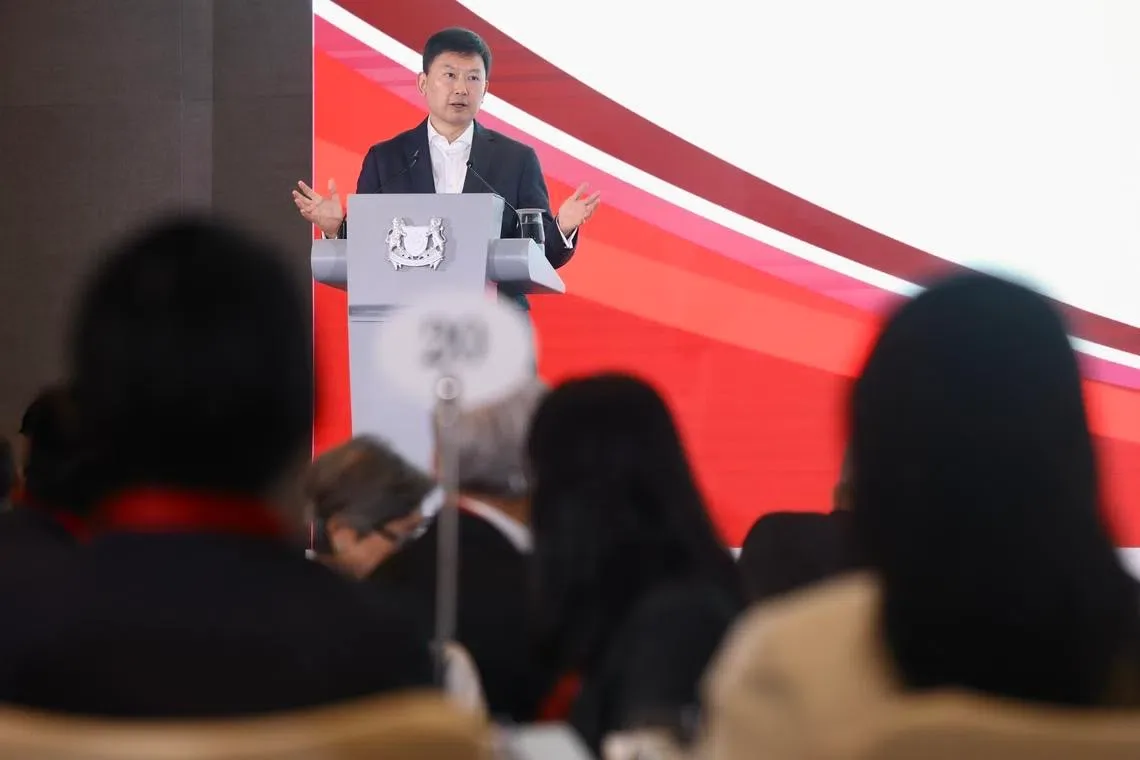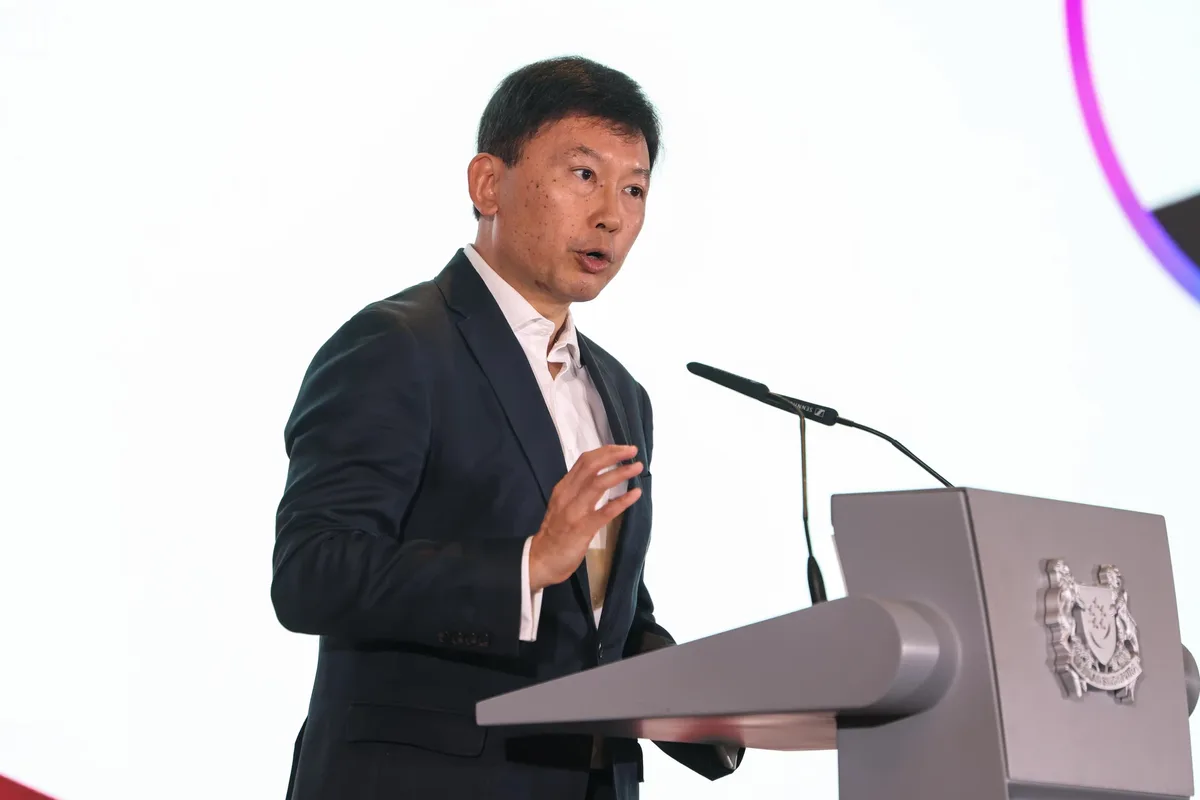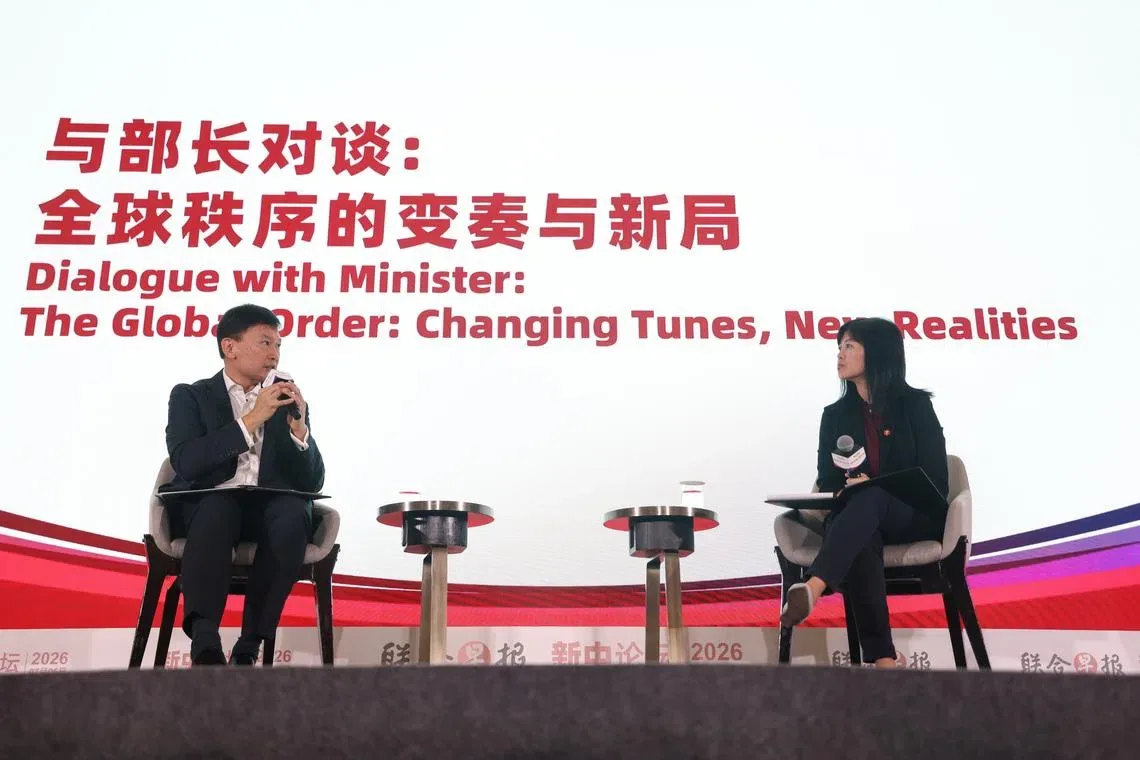
Singapore and China are set to strengthen cooperation in sustainable energy, artificial intelligence (AI), and eldercare to create solutions benefiting both countries and the wider world, Singapore’s Minister for National Development Chee Hong Tat said on July 6, 2026, at the Lianhe Zaobao Singapore-China Forum [1, 2, 3, 4, 5].
The minister emphasized that “no country has all the answers, nor the capacity and resources to act alone” on global challenges like climate change and demographic shifts, highlighting the need for multilateral cooperation [5]. He added that "these bilateral partnerships need not stop at our borders – the lessons learnt and the solutions developed can ripple outward, benefiting the wider region and the world" [5].
This cooperation builds on a strong foundation between the two nations and aims to address shared challenges including climate change, technological advancements, and evolving demographics [1, 2, 3, 4, 5]. China has positioned itself as a global leader in renewable and clean energy technologies, producing solar, wind, battery energy storage systems, and advancing nuclear energy with small modular reactors [1, 5].
Singapore offers expertise in sustainable urban planning and integrated development to support practical solutions aligned with climate goals [1, 5]. China’s large-scale deployment of AI, robotics, and intelligent manufacturing in construction, logistics, and urban infrastructure provides insights into improving productivity [1, 2, 3, 4].
The cooperation model aims to evolve through expanding collaborative projects like the Tianjin Eco-City and supporting Chinese companies to use Singapore as a regional hub [1, 2, 3, 4]. China is also undergoing policy reviews that focus on expanding domestic consumption, stabilizing its property market, and strengthening cultural exchanges to foster mutual understanding [1, 2, 3, 4].
Minister Chee stressed the shared responsibility to future generations, calling the transition to sustainable development "one of the most pressing tasks of our time as a global community" and urging both sides to build “a more sustainable world” [5].