South Korea held nationwide local elections on June 3, 2026, the first since President Lee Jae Myung took office [1, 2, 3, 4, 5]. Ballot paper shortages affected about 50 polling stations across the country, with 67 stations requiring emergency resupply [1, 6, 7]. The capital Seoul faced the worst disruptions, with 35 to 36 polling stations reporting shortages, causing voting suspensions at 22 locations nationwide [8, 1, 9, 2, 6, 4, 5, 7].
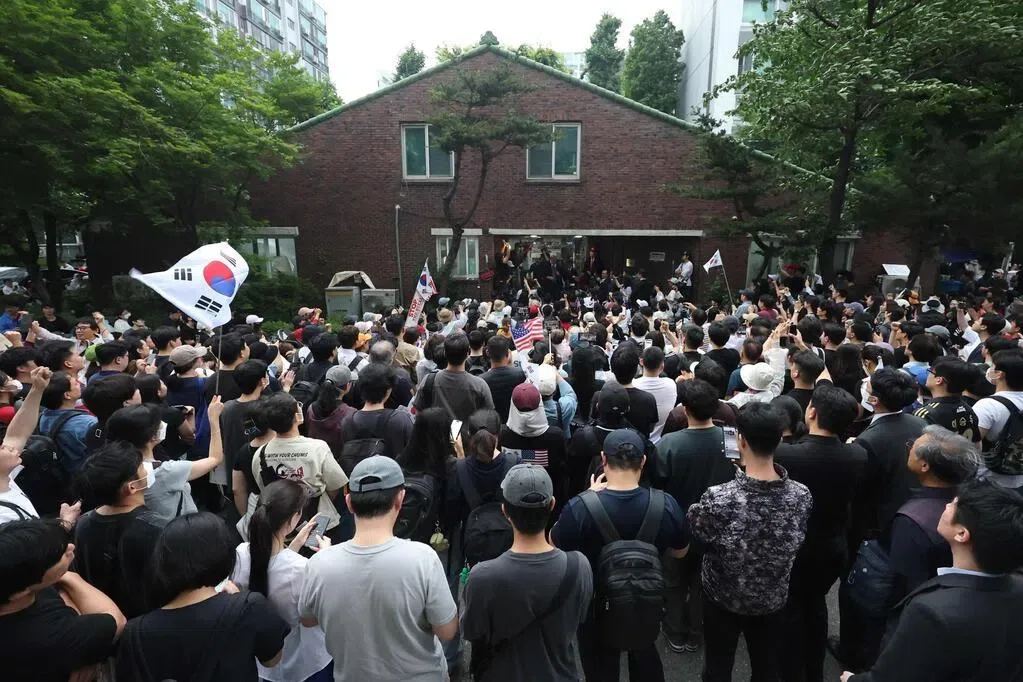
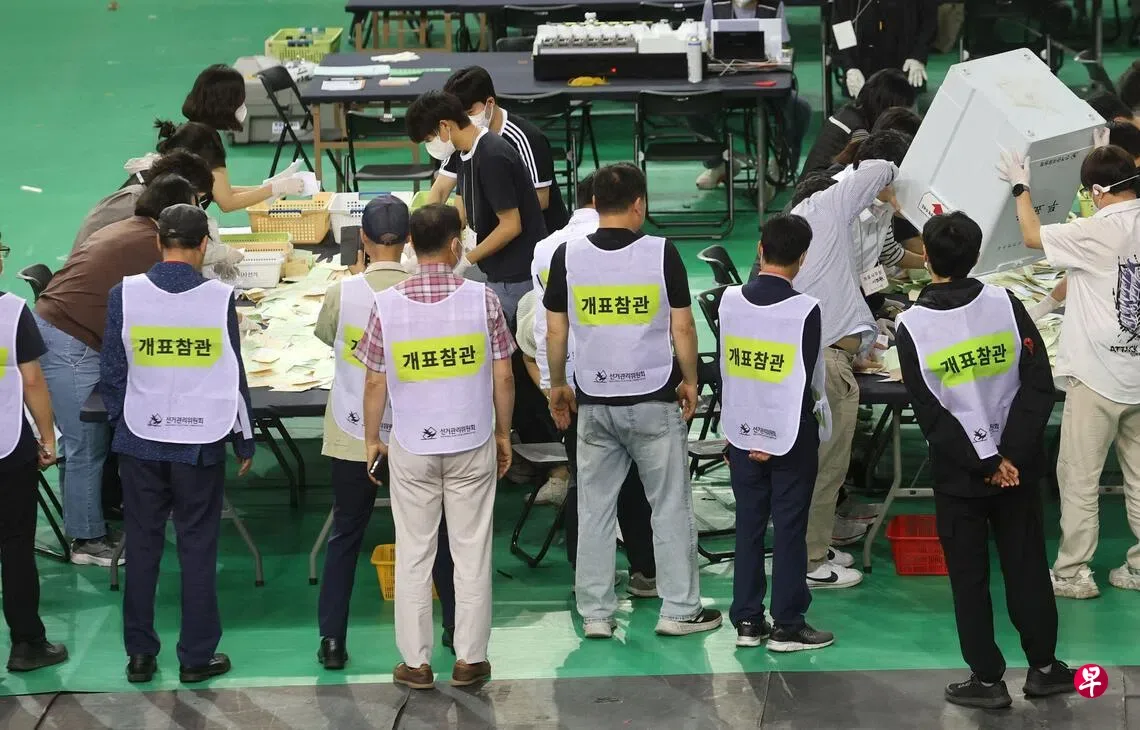
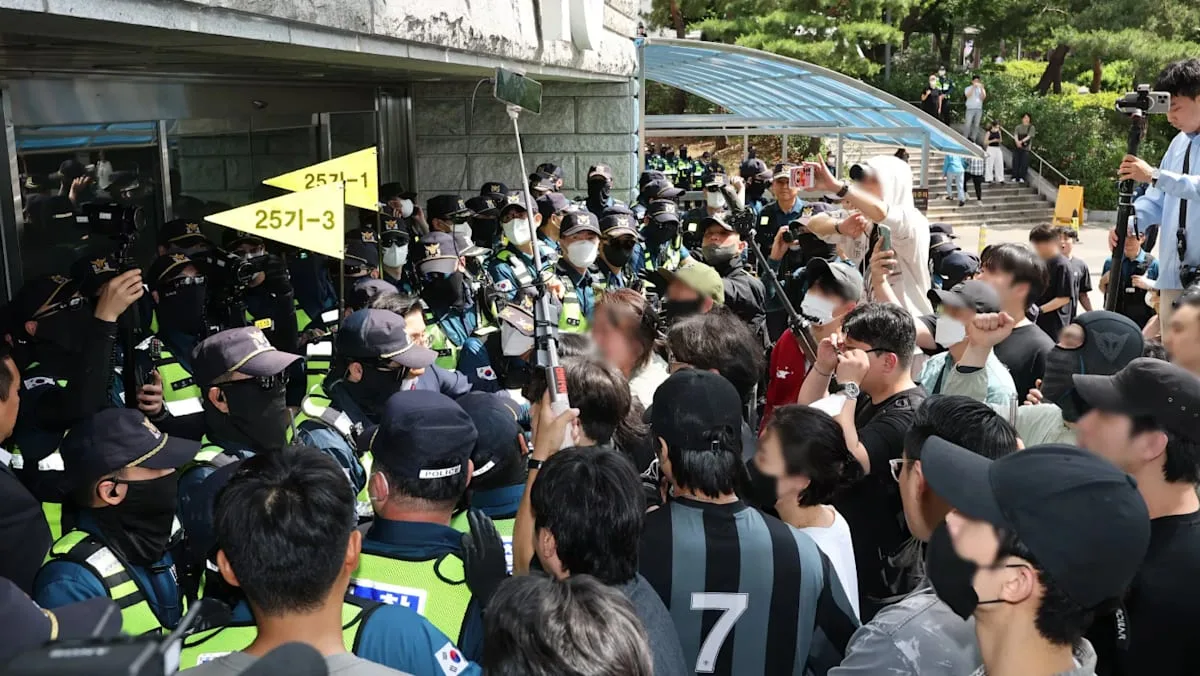
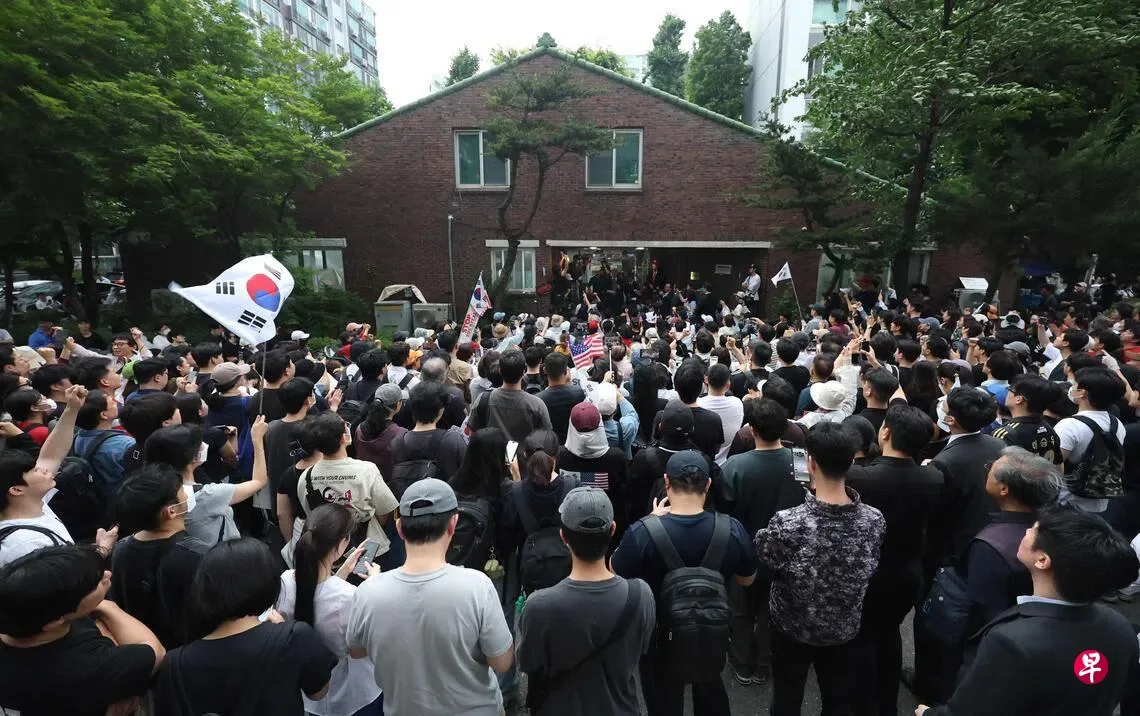
In Seoul's Songpa-gu district, voters and activists blocked ballot box removals for over 35 hours, delaying vote counts and causing public unrest [8, 1, 10, 4]. Thousands protested at affected polling places and vote-counting venues, demanding a re-run of the elections and accountability from the National Election Commission (NEC) [1, 9, 2, 10, 3, 5, 7]. One protester, 徐珍熙, said, "无论政治立场为何,不能投票就是对我们在自由民主社会公民权的侵犯," meaning voting rights were violated regardless of political views [5].
NEC Chairman Roh Tae-ak publicly apologized and resigned on June 5, saying, "发生这种不可接受的事件没有任何借口,侵犯了人民宝贵的投票权。作为选管委委员长,我就此深感肩负无限责任" (There is no excuse for this unacceptable event, which infringed on citizens' precious voting rights) [8, 1, 6, 4, 7]. The commission attributed shortages to misjudging turnout and adjusting print runs due to early voting increases [6, 5]. Seoul's mayoral election results were revised after delayed counts, but People Power Party candidate Oh Se-hoon's 1.15 percentage point victory remained unchanged [1, 2]. Oh called the shortages "intolerable" and demanded the election commission be disbanded and investigated by special prosecutors [2].
President Lee Jae Myung expressed deep regret on June 8, saying, "The notion that someone could have been unable to vote because ballot papers ran out is hard to imagine. It must have come as a big shock to the people" [9, 7]. Both ruling Democratic Party and opposition People Power Party submitted proposals for parliamentary inquiries into the election management failures [1, 7]. Opposition leaders called for a re-run, while the ruling party urged caution regarding special prosecutor investigations [1, 7].
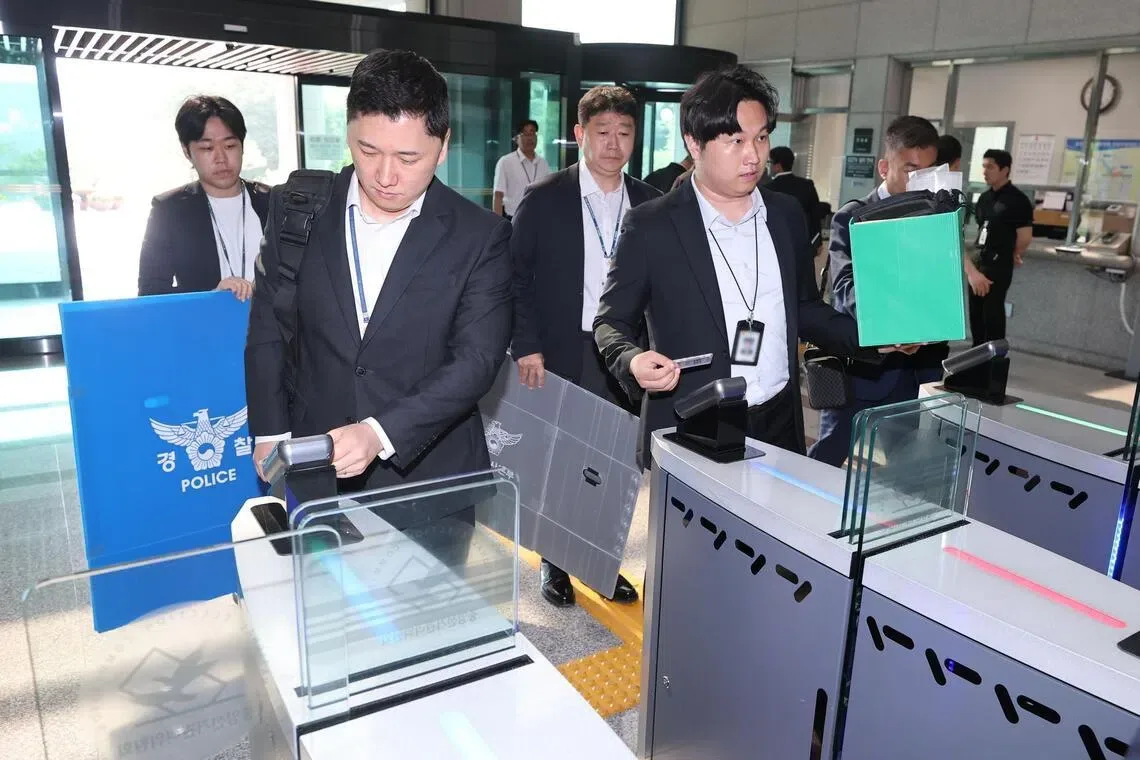
Police cleared protesters from blocked stations on June 5 and began investigations, including raids of NEC offices on June 11 following court orders to preserve ballot boxes and uncover missing evidence [11, 12, 6, 10, 4, 7]. Votes missing from initial tallies due to errors exceeded 1,100 [11, 12].
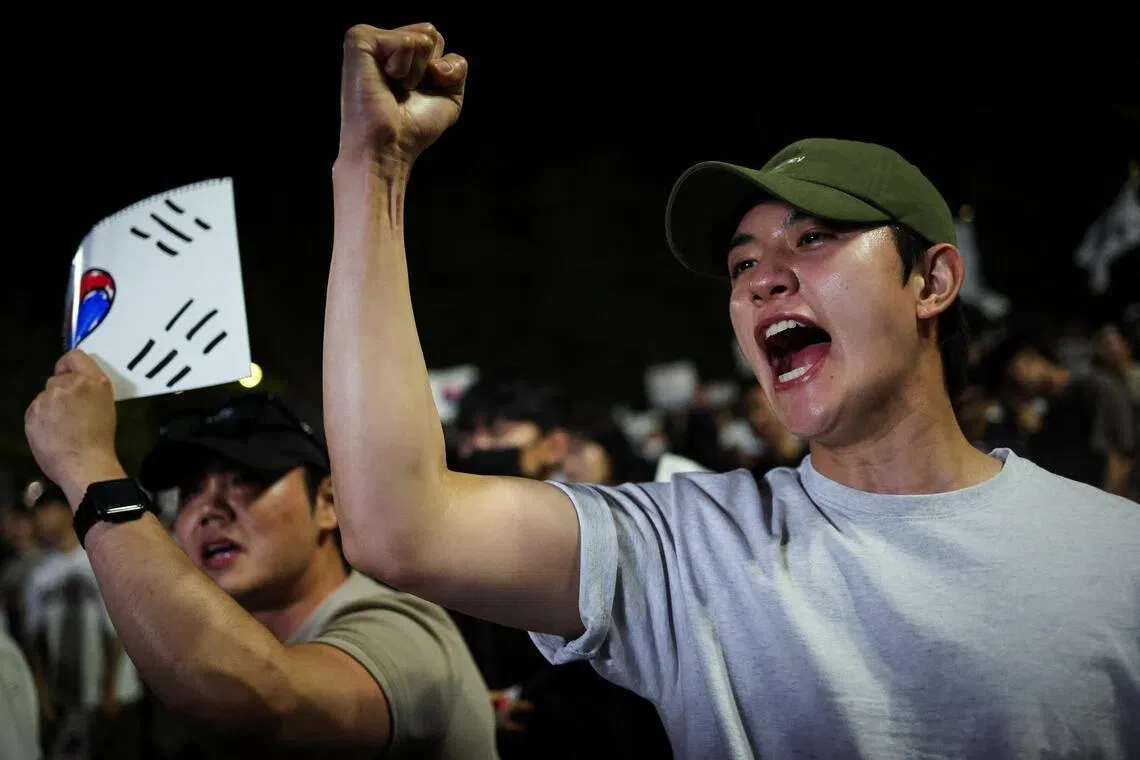
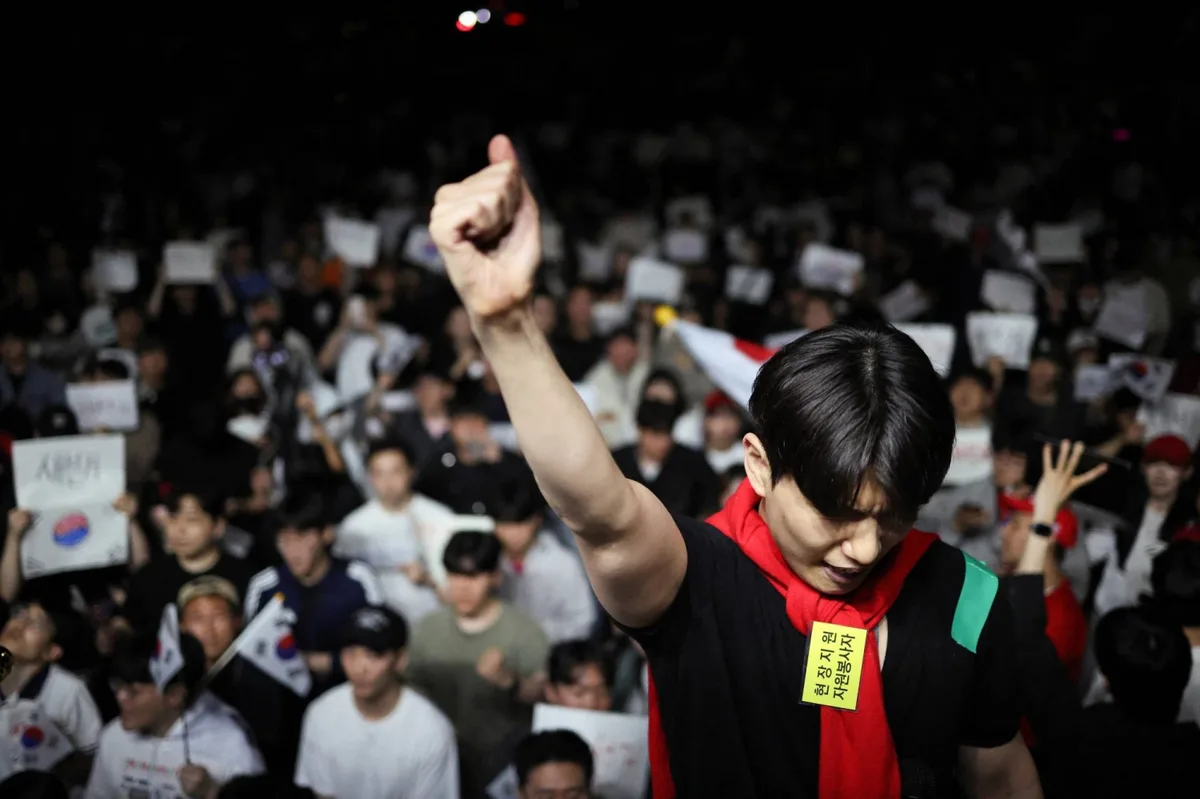
Thousands protested again on June 6 at the SK Olympic Handball Stadium in Seoul, demanding electoral reform and a re-run of the elections [9, 2, 5]. Protesters such as 朴成旭 said, "我支持的候选人是否当选根本不重要,无论如何,我认为这次选举必须重新举行" (Who wins is not important; the election must be redone regardless) [5].
Parliamentary inquiries and ongoing police investigations into the ballot shortages and election commission management are underway [1, 9, 11, 12, 7]. The NEC chairman's resignation has been accepted by the president and government [1, 9, 7].