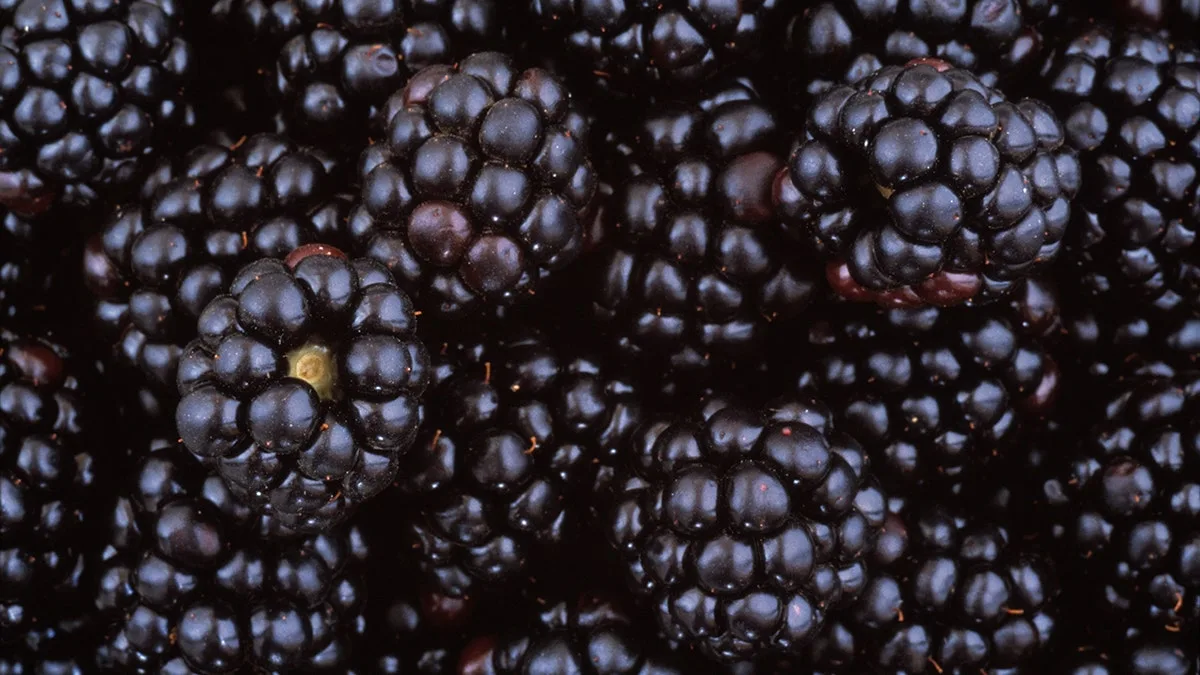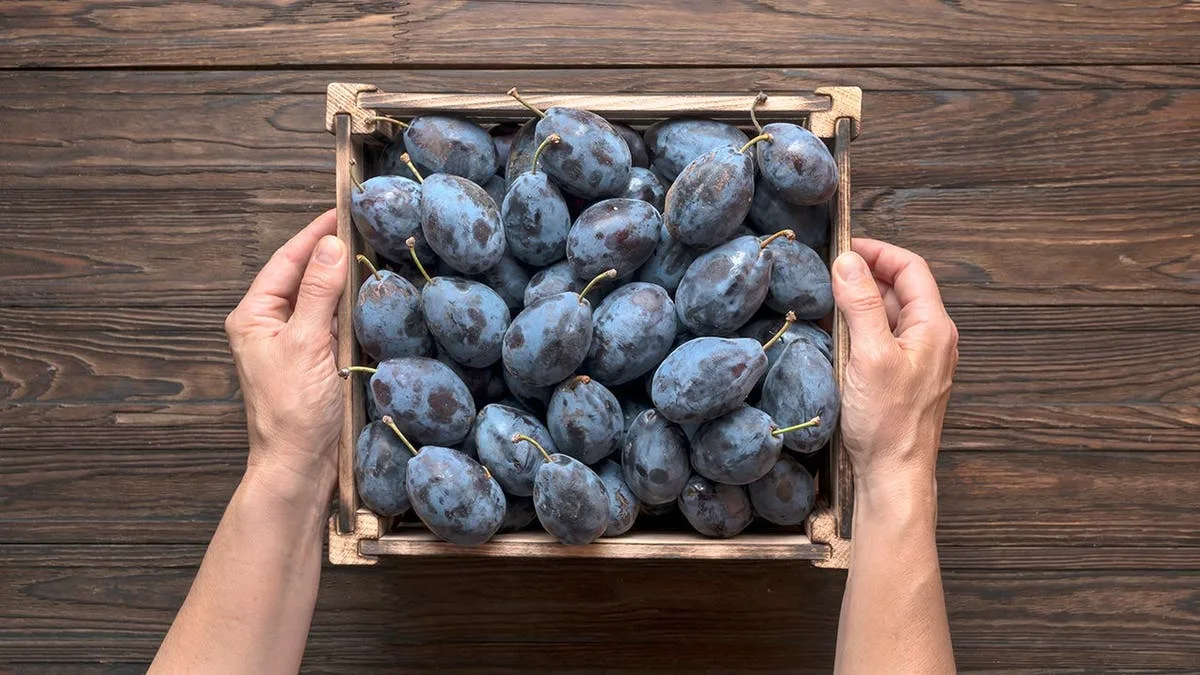
Long-term research involving over 30,000 participants in the US and UK shows that simply eating the recommended five servings of fruits and vegetables daily is insufficient to ensure adequate flavanol intake, a plant antioxidant linked to roughly 30% lower cardiovascular disease mortality [1, 2, 3]. Flavanols are found in specific fruits such as plums, blackberries, cranberries, apples, strawberries, grapes, and in green tea, all noted for their heart health benefits [1, 2, 3]. Despite following the 5-a-day rule, fewer than 20-25% of people reach the ideal 500 mg daily flavanol intake associated with these benefits [1, 2, 3].
Researchers recommend eating flavanol-rich foods such as a handful of blackberries, a whole apple, or drinking green tea regularly to boost flavanol levels. As Professor Gunter Kuhnle explained, the concept of "five fruits and vegetables a day" is correct, but people should consider which types to choose as different produce contains distinct plant compounds beyond vitamins and minerals that impact health [2]. Javier Ottaviani, research lead author, advised adding a serving of blackberries, an apple, or green tea daily to increase flavanol intake [2]. Evidence from the COSMOS trial, the largest randomized controlled study on polyphenols, showed that 500 mg daily flavanol intake can reduce cardiovascular disease mortality by 27% [3].
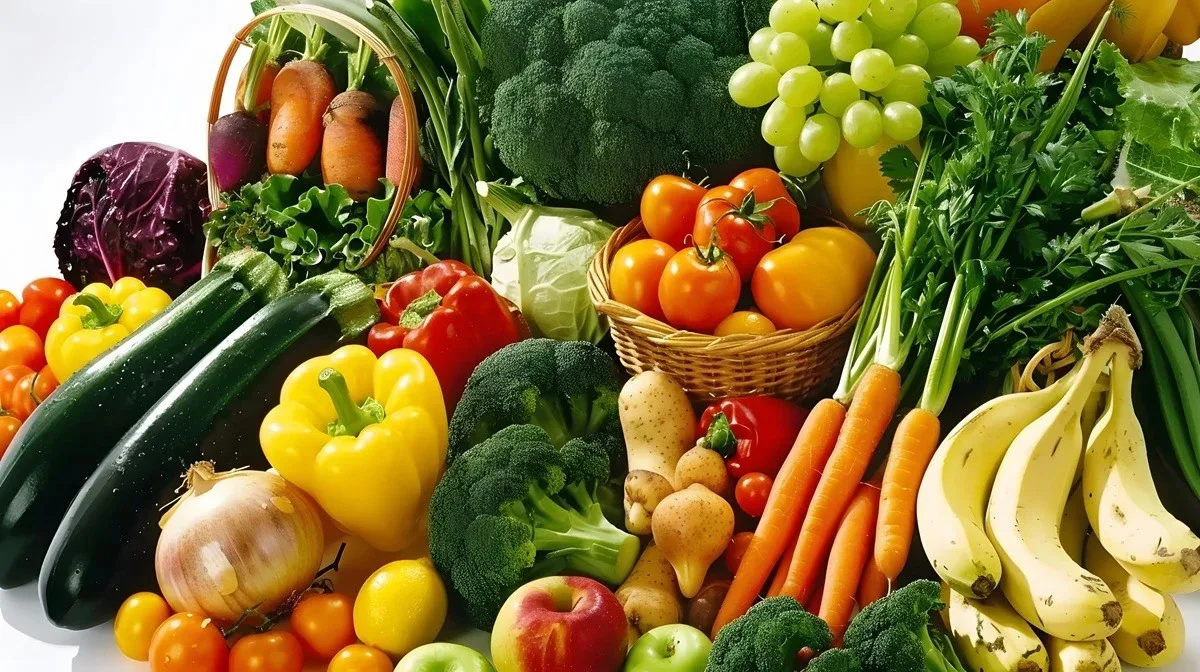
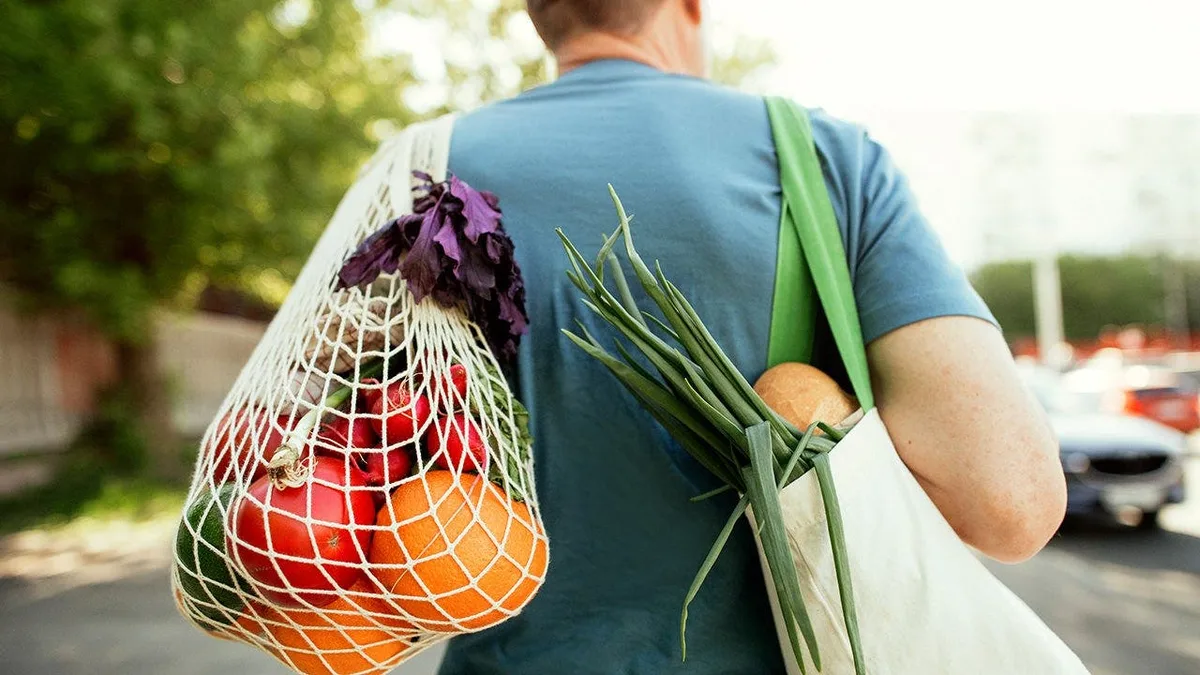
Another long-term study of over 54,000 adults found that consuming approximately 60 mg of dietary nitrate daily from green leafy and root vegetables corresponds with a 15% drop in cardiovascular disease risk. Nitrate-rich vegetables include spinach, beetroot, lettuce, sesame leaves, celery, and radish [4]. Dietary nitrate converts in the body to nitric oxide, which relaxes blood vessels, improves circulation, reduces thrombosis risk, and enhances oxygen delivery to heart and tissues [4]. The benefits level off at moderate intake, with more nitrate providing no additional gains [4].
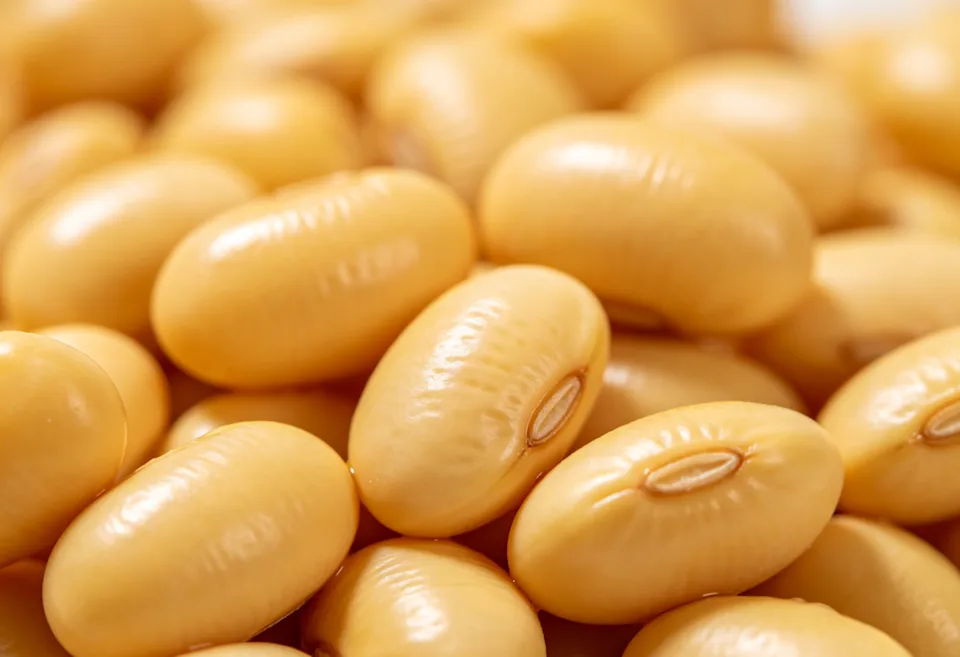
Separate research analyzing 12 international cohorts reported that eating 170 grams of legumes daily, including soy products, can reduce high blood pressure risk by nearly 30%. The protective effect relates to legumes’ potassium and magnesium content that helps sodium excretion and blood vessel relaxation, plus soluble fiber fermentation producing short-chain fatty acids. Soy isoflavones in soybean foods also contribute to lowering blood pressure [5]. Optimal amounts are about 170 grams for legumes and 60-80 grams for soy foods; higher intake does not bring extra benefit [5].
Multiple large cohort nutrition studies focusing on flavanol intake, dietary nitrate from vegetables, and legume consumption were published in August 2026 [1, 2, 4, 5].