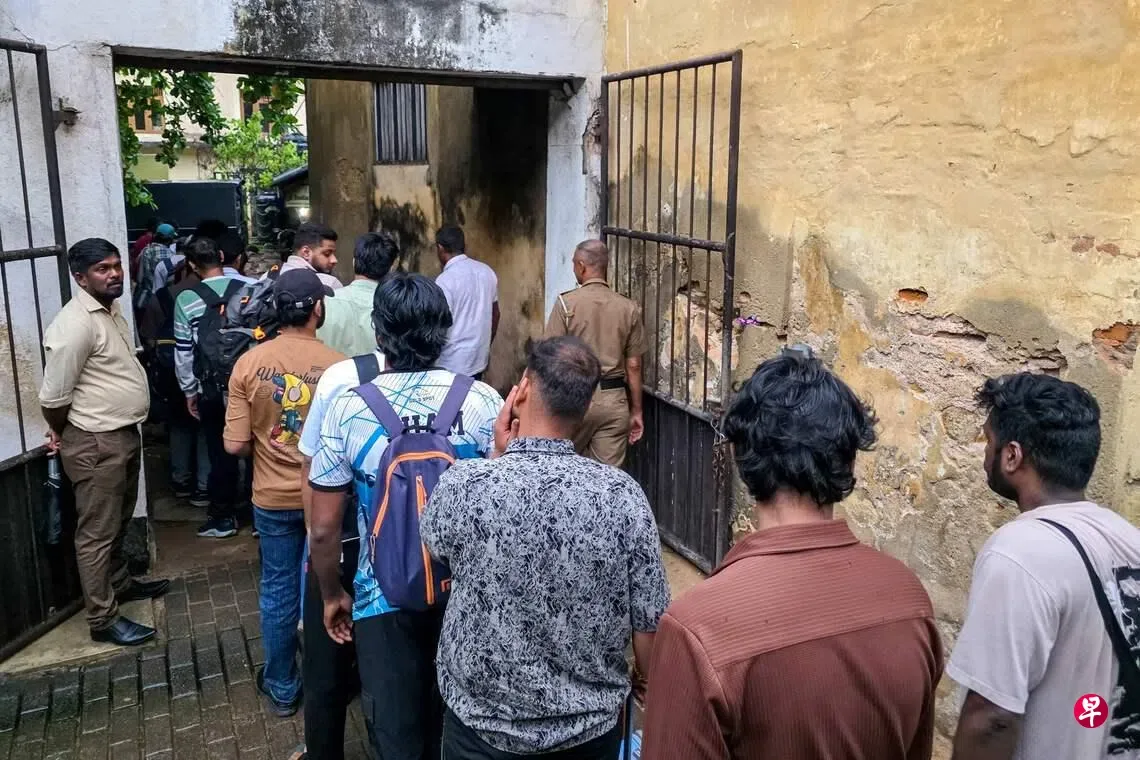
Sri Lankan police have arrested over 1,000 foreign suspects in cybercrime cases since early 2026, mainly from China, Vietnam, and India, marking a sharp increase from 430 arrests made throughout 2024, police spokesman Fredrick Wootler said [1]. Authorities attribute the rise to scam networks relocating from Southeast Asian countries such as Cambodia and Myanmar following crackdowns there [1, 2].
The suspects operate from luxury villas, office buildings, and hotels, using Sri Lanka's relaxed visa policies, including 30-day tourist visas for nationals from over 40 countries, as a base for scams. High-speed internet and a stable environment also attract these groups [1, 2, 3]. Sri Lankan police have warned landlords not to rent to suspected criminals to avoid prosecution for aiding their operations [1, 2].
Police seized hundreds of electronic devices in recent raids. In March, they arrested 135 Chinese suspects near Colombo, who were subsequently repatriated with cooperation from the Chinese government, which pledged closer law enforcement ties [3, 4, 5]. In early May, a Colombo-area raid at Talangama arrested 37 Chinese nationals and confiscated many devices [5]. About a month earlier, police raided a northwest Sri Lanka hotel arresting 152 foreign suspects, including 133 Chinese, and seized laptops and phones [5].
On May 11, police arrested 192 Indian and 29 Nepalese suspects in Galle and Matara coastal regions during coordinated raids [3]. Sri Lankan customs intercepted nine Chinese nationals smuggling hundreds of used mobile phones and laptops suspected for fraud use in April [1, 2]. Bandaranaike International Airport customs have increased inspections targeting high-risk nationalities after the surge in arrests [5].
Scam methods include fake romantic relationships, fraudulent cryptocurrency investments, and betting platforms. While some suspects work voluntarily, others are trafficked foreign nationals forced into criminal activity [1, 3]. The networks primarily target victims across Asia, including India, Vietnam, and the Philippines, but officials worry Sri Lankans may become victims soon [1, 2].
Authorities are investigating a recent cyberattack on the treasury causing an estimated US$2.5 million in losses, which may be linked to the same syndicates operating in Sri Lanka [1, 6, 2]. A Sri Lankan immigration official said law enforcement agents are now directly involved in investigations amid rising cases [3].
The Chinese Embassy in Colombo said the Chinese government attaches "great importance" to the issue and is working closely with Sri Lankan authorities to tackle scams [4]. Police spokesman Fredrick Wootler confirmed ongoing daily crackdowns on cybercrime and pledged continued enforcement efforts [3].