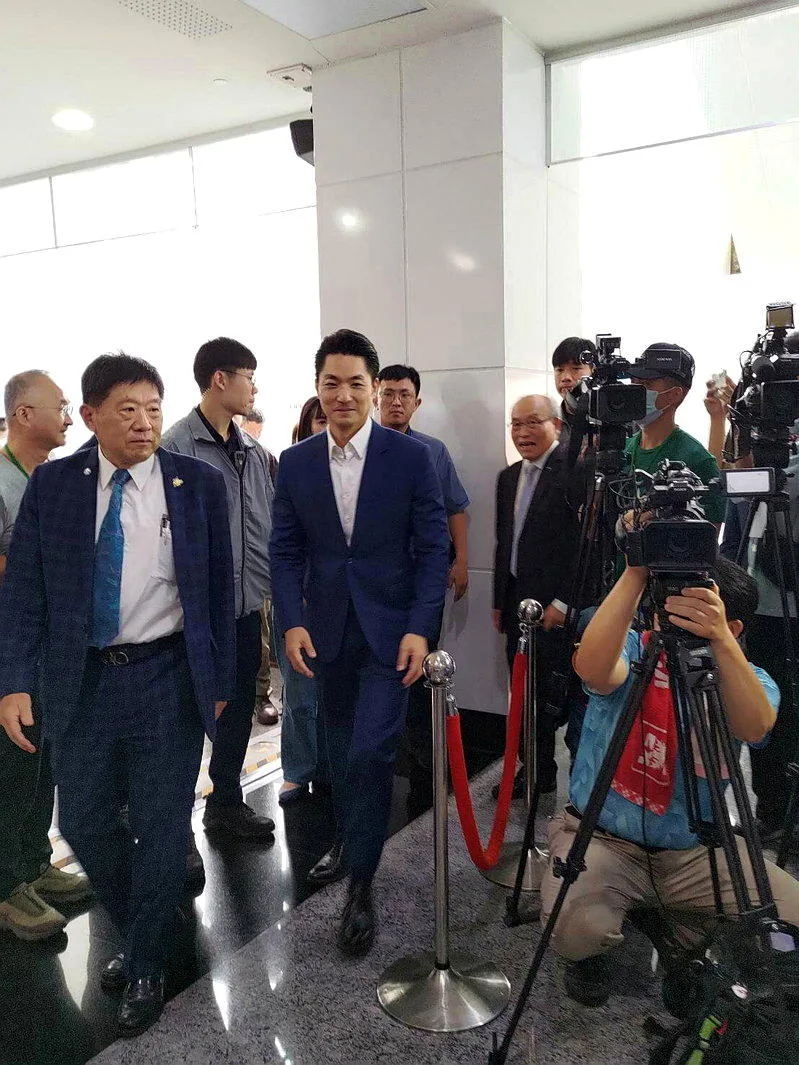
Taipei Mayor Jiang Wan'an publicly supported a no-confidence motion against Premier Zhuo Rongtai, demanding his resignation over the ongoing toxic cooking oil food safety scandal. Jiang said Zhuo should take political responsibility and step down to resolve the government deadlock caused by the crisis [1, 2, 3, 4, 5, 6, 7].
Jiang named Kaohsiung Mayor Chen Qimai as a suitable successor for Premier, praising Chen's stance on food safety and strong public approval ratings. Jiang said replacing Zhuo with Chen would help restore accountability [5, 6, 7, 8]. Chen responded by focusing on mayoral duties, emphasizing cooperative work on food safety between local and central governments rather than politicizing the scandal through motions like no-confidence votes [9].
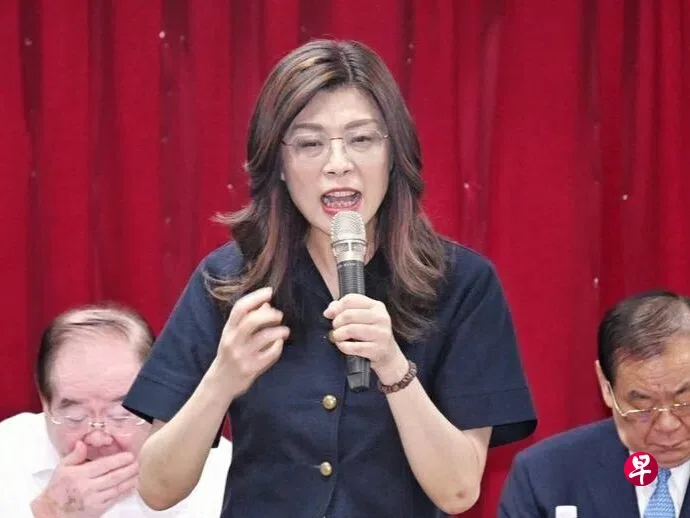
KMT Chairwoman Zheng Liwen said the no-confidence motion needs careful evaluation by the party caucus. She denied any arrangements involving yielding Legislative seats to the Taiwan People's Party to gain their support for the motion [10]. Taichung Mayor Lu Xiuyan backed discussing the no-confidence motion and expressed hope that if it passes and parliament dissolves, local and central elections would be held together [1].
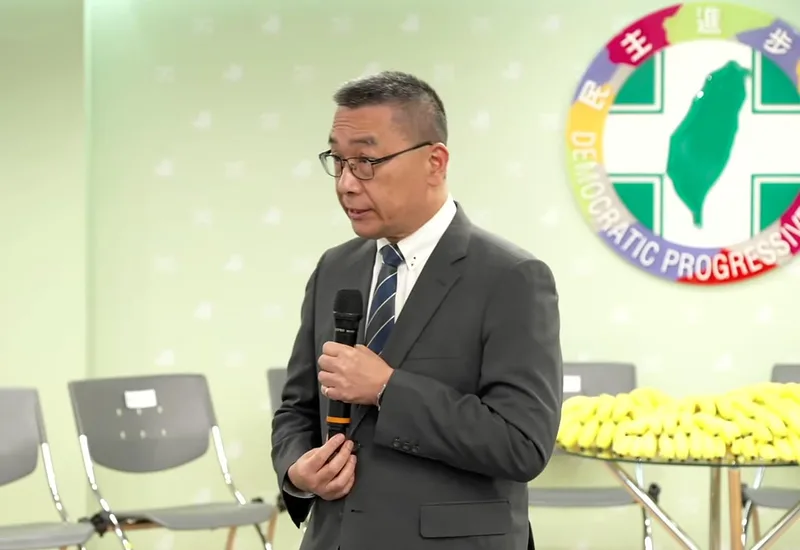
DPP spokesperson Wu Zheng criticized Jiang for neglecting city governance while pursuing political campaigns, calling his actions mere political showmanship [3]. Executive Yuan spokesperson Li Huizhi said local governance is the responsibility of local officials and urged lawmakers to prioritize passing the central government's long-delayed budget instead of engaging in no-confidence activities [4]. DPP Secretary-General Xu Guoyong accused Jiang of dereliction in his mayoral duties and questioned his authority to challenge the premier, demanding the KMT caucus initiate the motion if serious about it [11].
The toxic oil scandal has sparked large public protests, including an estimated 200,000 attendees at a July 25 rally at Ketagalan Boulevard [2]. The central government budget bill has been pending in the legislature for 333 days [4]. Jiang first raised the possibility of a no-confidence motion on July 27 and formally named Chen as his preferred replacement on July 29. KMT Chair Zheng called for party discussion on July 31, while DPP Secretary-General Xu criticized Jiang on August 1 [1, 10, 3, 4, 5, 6, 7, 8, 11].
Jiang said that if the no-confidence motion succeeds and leads to parliament dissolution, an election must be held by constitutional deadline at year-end, calling for combined local and national voting then [1].