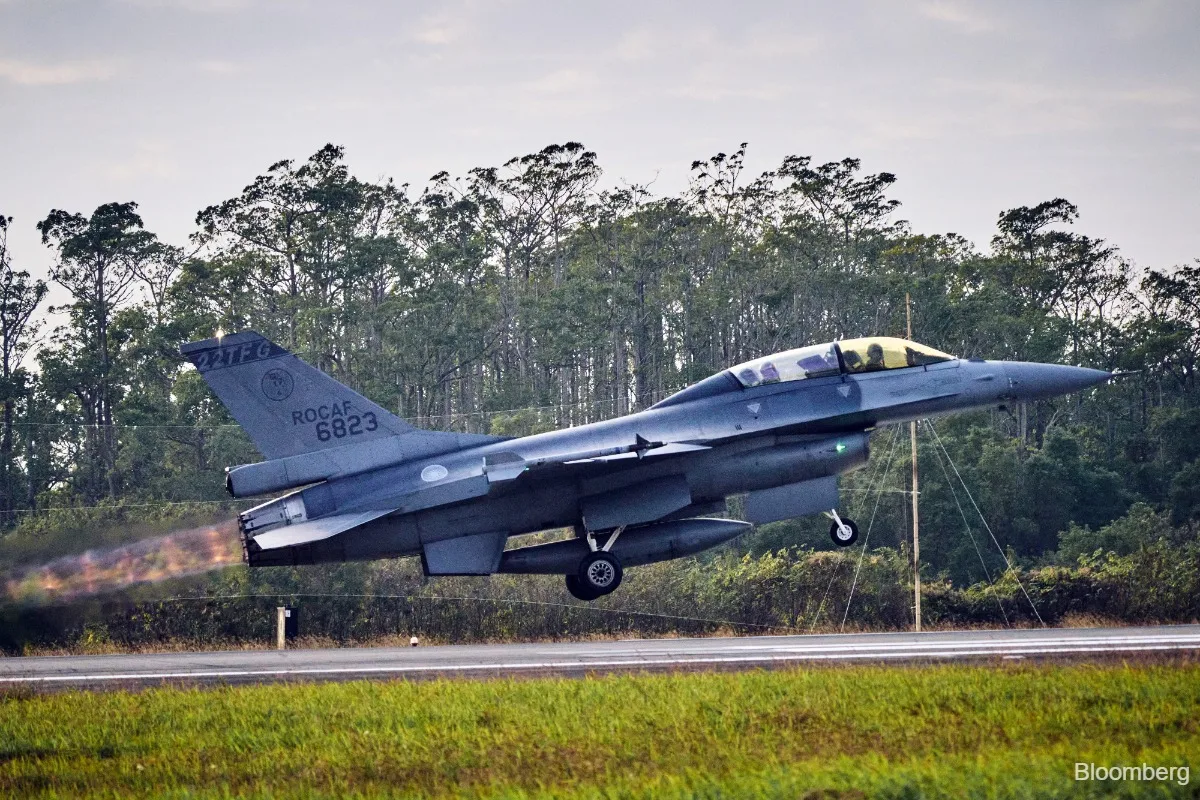
Taiwan’s cabinet approved a historic defense budget of NT$1.12 trillion (about US$35.1 billion) for fiscal 2027 on August 20, marking the first time its defense budget has surpassed NT$1 trillion and representing an 18.2% increase over 2026 levels [1, 2, 3, 4, 5]. The budget is expected to account for between 3.01% and 3.93% of Taiwan’s GDP, depending on the method of GDP calculation [1, 3, 4, 5]. Taiwanese President Lai Ching-te has pledged to raise defense spending further to 5% of GDP by 2030 [2, 3, 5].
Taiwan plans to allocate supplementary special budgets totaling billions of NT dollars for military investments outside the main budget. These include spending on unmanned drones, missiles, and domestic military programs that had previously not received parliamentary approval. Hsieh Chi-hsien, head of Taiwan’s Defense Ministry Comptroller Bureau, said, "We plan to include spending on unmanned vehicles and missiles in supplementary budgets as these were not approved in the main budget by the legislature" [4, 5]. Military investment this year is expected to rise by NT$97.5 billion to a total of NT$259.1 billion [2, 4].
The day after Taiwan’s announcement, reports emerged that Japan will seek a record fiscal 2027 defense budget of about ¥8.9 trillion (approximately $65 billion), alongside a total government budget request exceeding ¥130 trillion ($819 billion) [6, 7, 8, 9, 10]. The planned spending marks a sharp increase over fiscal 2026 and reflects the government lifting caps on ministries’ requests to allow growth-oriented investments [6, 8, 9, 10].
Japan’s 2027 budget proposal includes significant investments in artificial intelligence, semiconductor manufacturing, and enhanced defense capabilities like intercept drones and submarine missiles [6, 7, 10].
Taiwan’s defense budget approval on August 20 and Japan’s budget request announced on August 21 set the stage for two of the largest planned increases in Asian defense spending next year [1, 2, 3, 4, 6, 7, 5, 8, 9, 10].