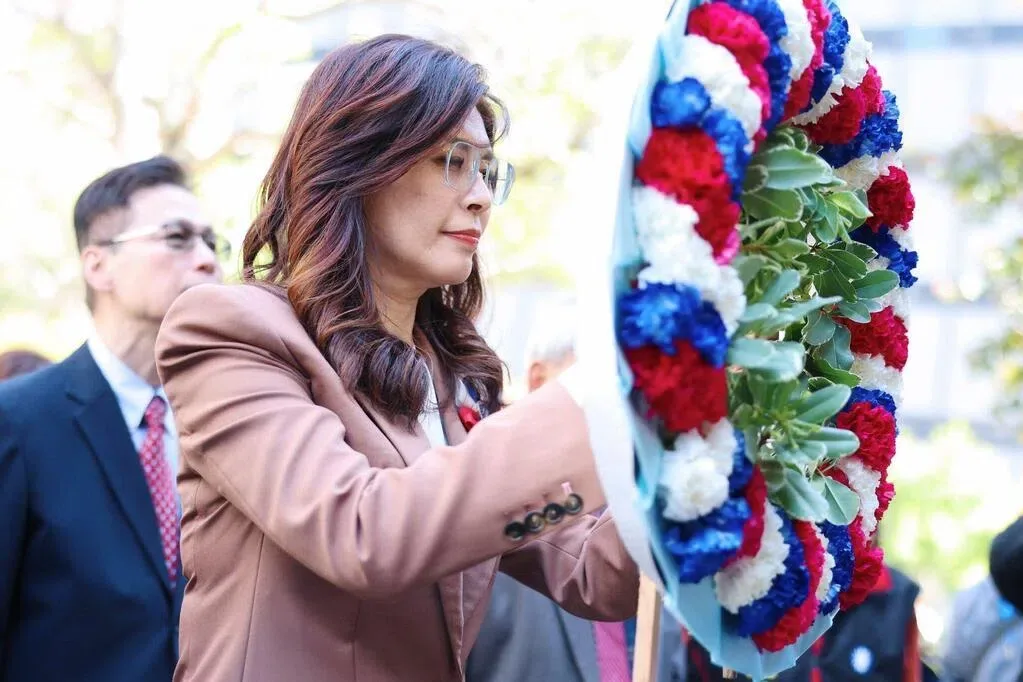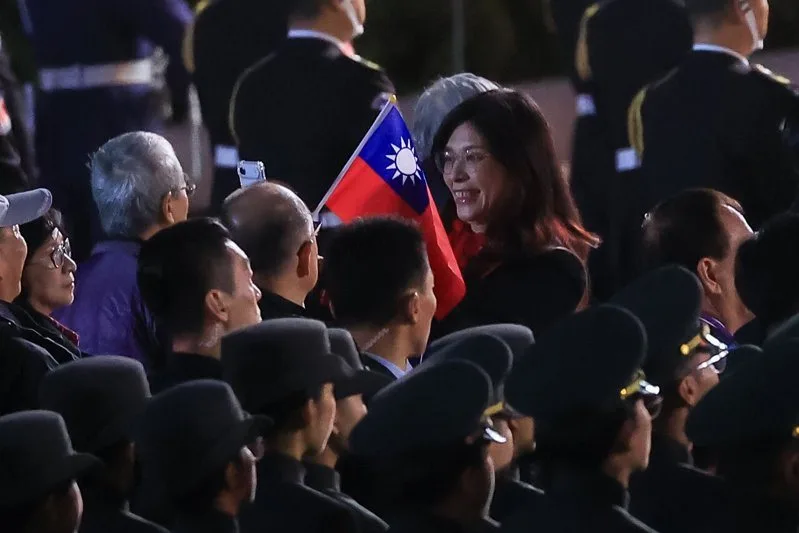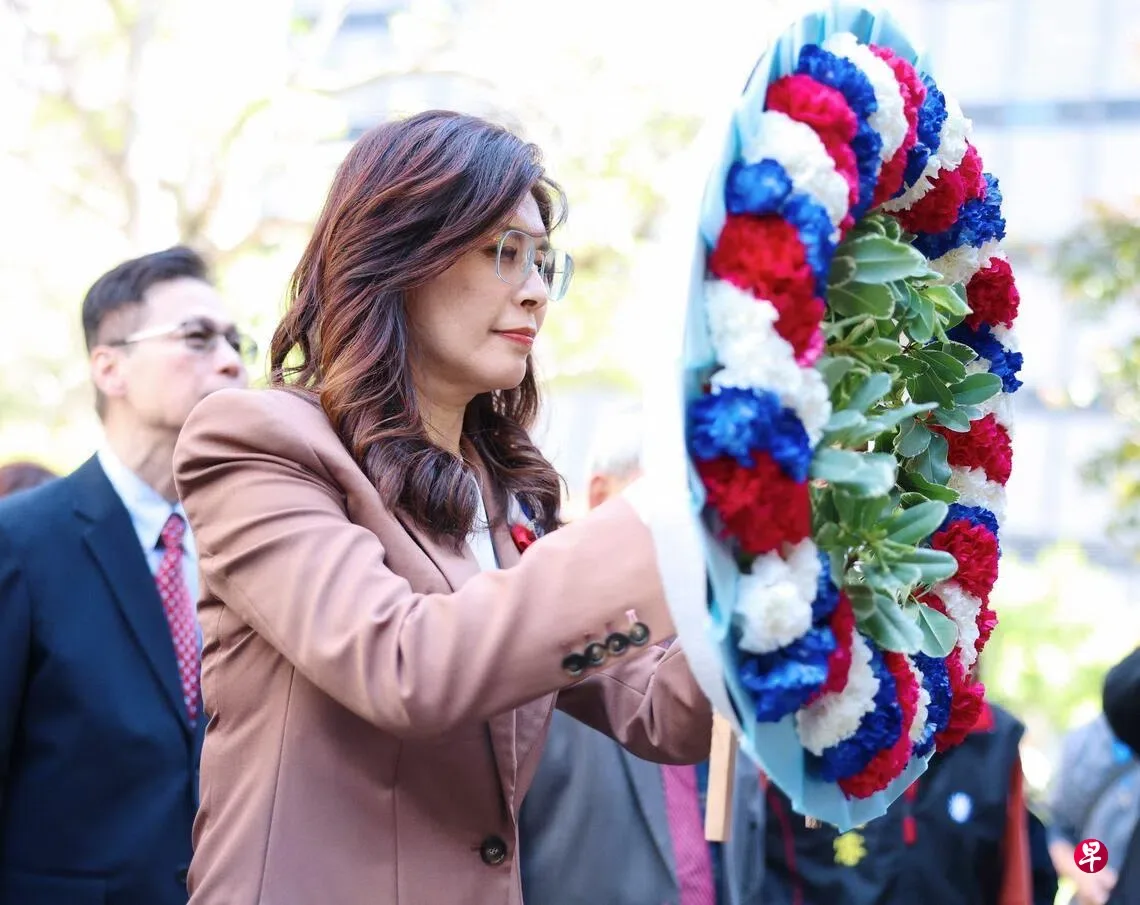
Zheng Liwen, Chair of Taiwan’s Kuomintang (KMT), visited the United States from June 1 to June 16, 2026, aiming to strengthen ties with US officials and promote peace in the Taiwan Strait [1, 2, 3]. She sought to shift the First Island Chain away from a Cold War mentality toward "peace and prosperity," emphasizing a 'peace narrative' based on the 1992 Consensus without formal independence demands [1, 4, 3]. Zheng said the visit was like "throwing a deep underwater bomb" forcing US reconsideration of the region’s issues [2].
Her remarks and conduct generated intense criticism from Taiwan’s ruling Democratic Progressive Party (DPP), which accused Zheng of echoing Chinese Communist Party (CCP) propaganda and undermining Taiwan's sovereignty. The DPP China Affairs Department called her a "CCP echo, spreading Beijing’s united front propaganda and causing an international political farce" [1, 4]. The visit also included an overseas Chinese banquet attended by a CCP United Front advisor, raising concerns about alleged "red infiltration" in Taiwan [1, 4].
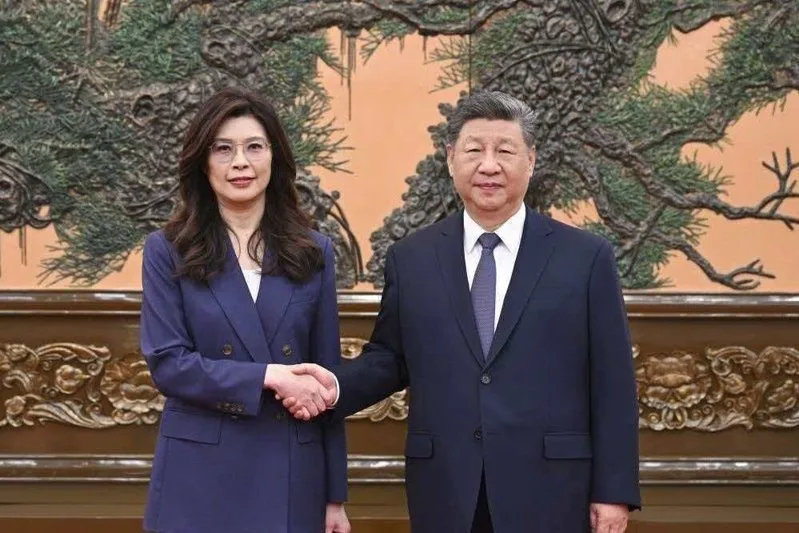
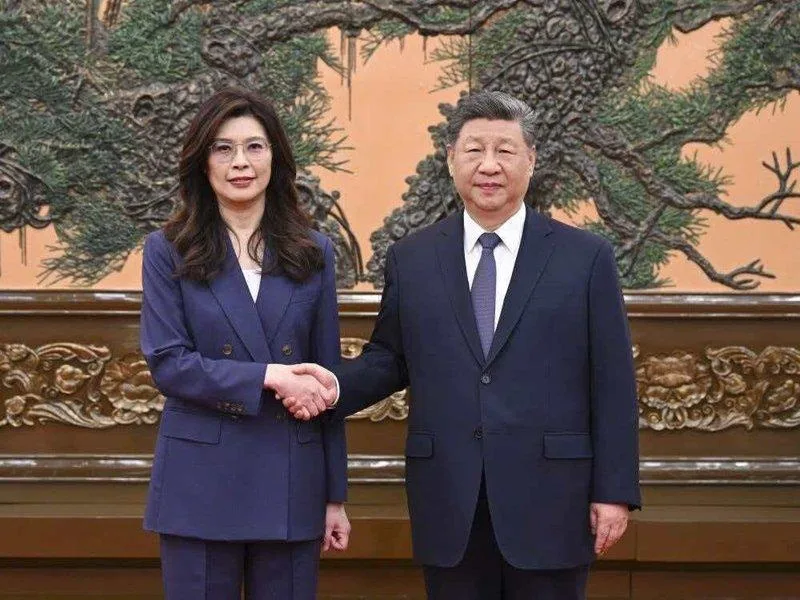
Zheng praised Chinese President Xi Jinping’s "goodwill" and blamed Taiwan for increasing tensions in the Taiwan Strait, comments the DPP and international commentators sharply criticized [1, 4]. She described her April 10 meeting with Xi, saying his hand was "big, thick, and soft like a cloud," a portrayal that surprised and confused US interlocutors [5, 6, 7, 8, 9, 10]. Some KMT members and commentators ridiculed the description as unrealistic and damaging to her credibility [5, 7, 8, 9]. Mainland affairs officials disputed the notion of Xi's kindness, stressing his harsh and ruthless rule [5, 8].
In a June interview with The Economist, Zheng said Taiwan would resist any Chinese attack if it did not formally declare independence, a stance reaffirmed by China’s Taiwan Affairs Office, which accused the DPP of provoking tensions through military actions [11, 12]. The Office’s spokesperson Zhang Han stated that "seeking peace in the Taiwan Strait requires firm opposition to all forms of Taiwan independence separatism" [11].
Diplomatic protocol reflected tensions as well. The White House National Security Council canceled meetings with Zheng, and the State Department downgraded receptions to lower-level officials. Some US Congress members refused to meet her altogether [1, 4, 10]. Despite this, Zheng declined to reveal details of her US contacts but claimed the visit met or surpassed its objectives [2].
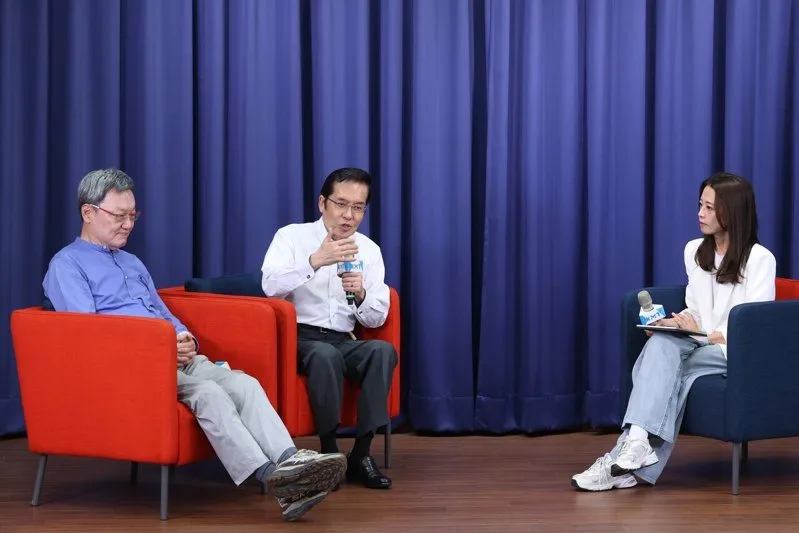
The KMT produced a documentary titled "The Schemer," which portrayed Zheng's China and US visits as key milestones in advancing cross-strait peace under the 1992 Consensus concept [3]. Zheng contrasted the KMT’s approach of maintaining peace with China while keeping US ties against the DPP’s approach of struggle toward cross-strait relations [3].
Zheng returned to Taiwan on June 16 and remained tight-lipped publicly about the visit’s results [6, 8, 10]. The DPP responded with a harsh public statement on June 21, condemning her as a CCP echo [1, 4]. On June 24, China’s Taiwan Affairs Office responded publicly to Zheng’s interview comments, reiterating opposition to Taiwanese independence and attributing Strait tensions to the DPP’s provocations [11, 12]. On June 22, the KMT premiered "The Schemer," highlighting Zheng’s recent diplomatic efforts [3].