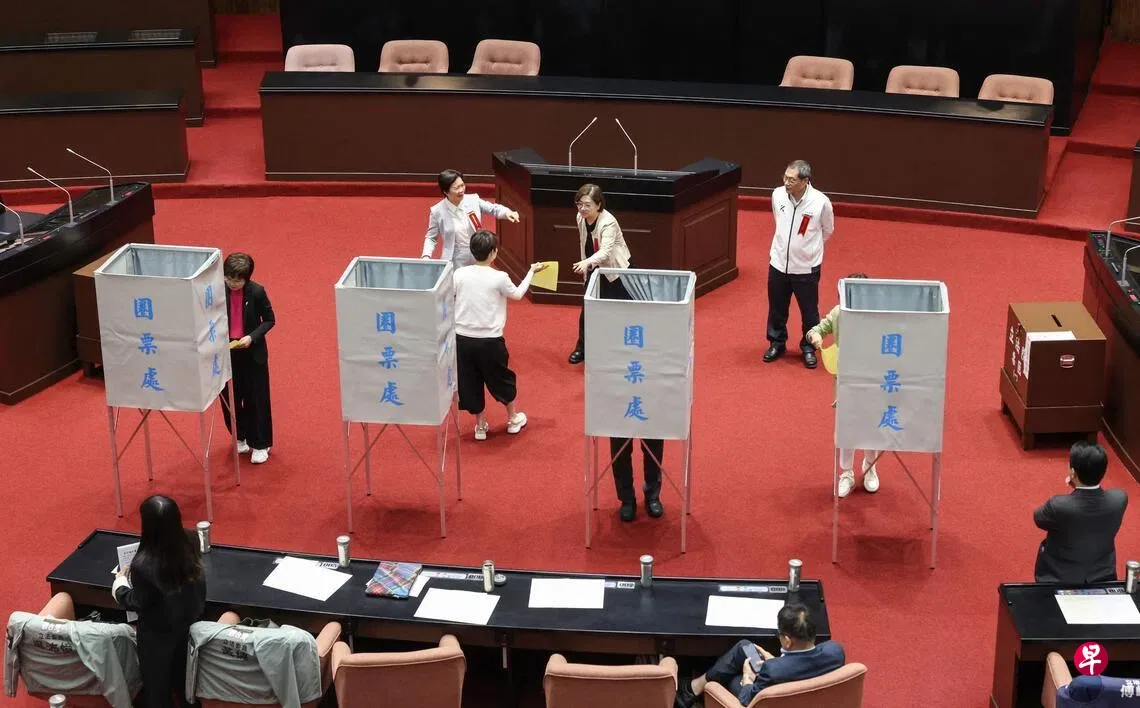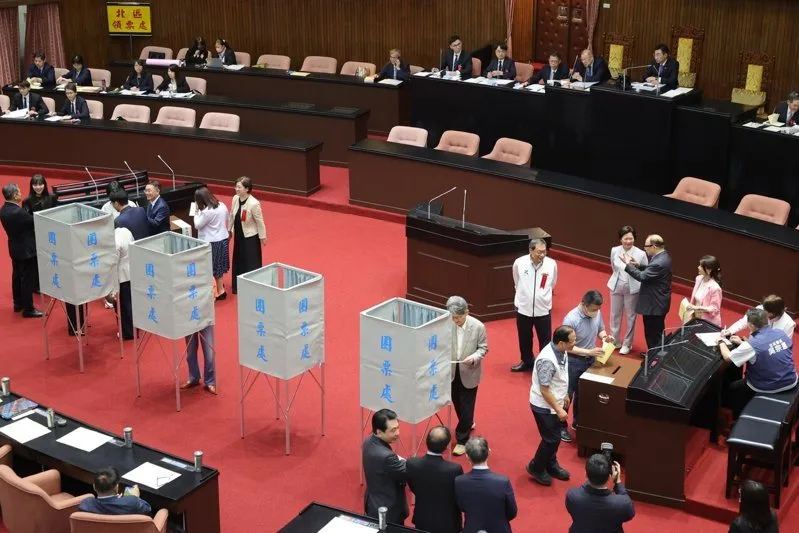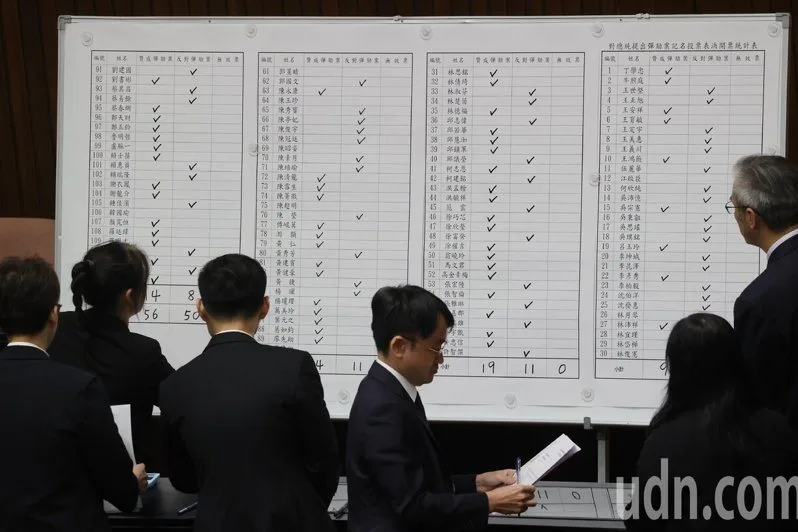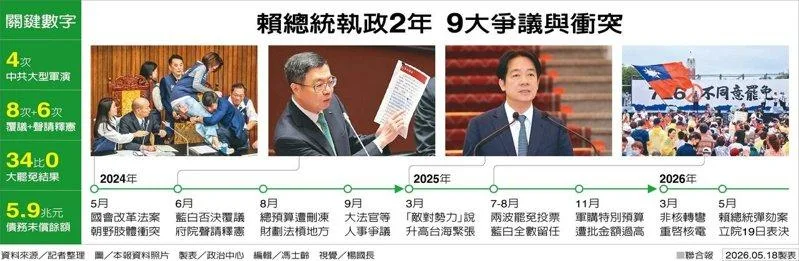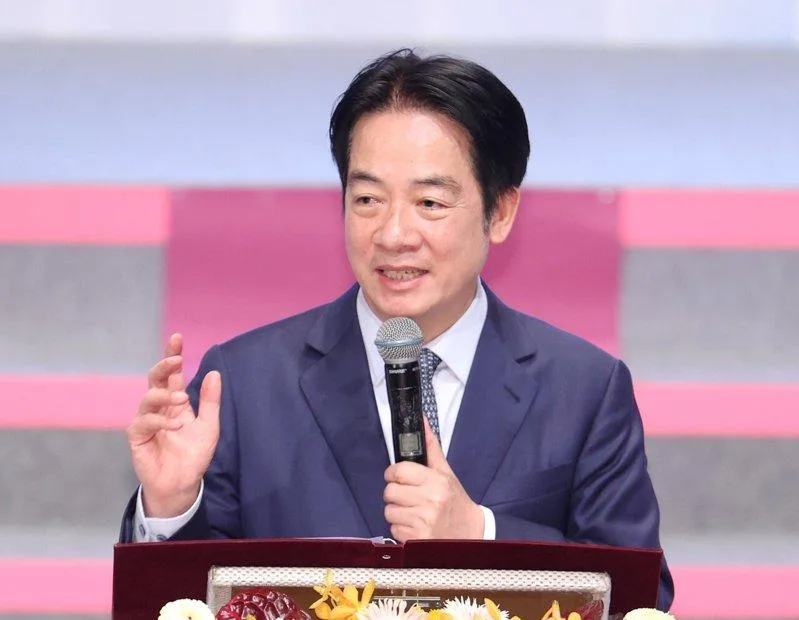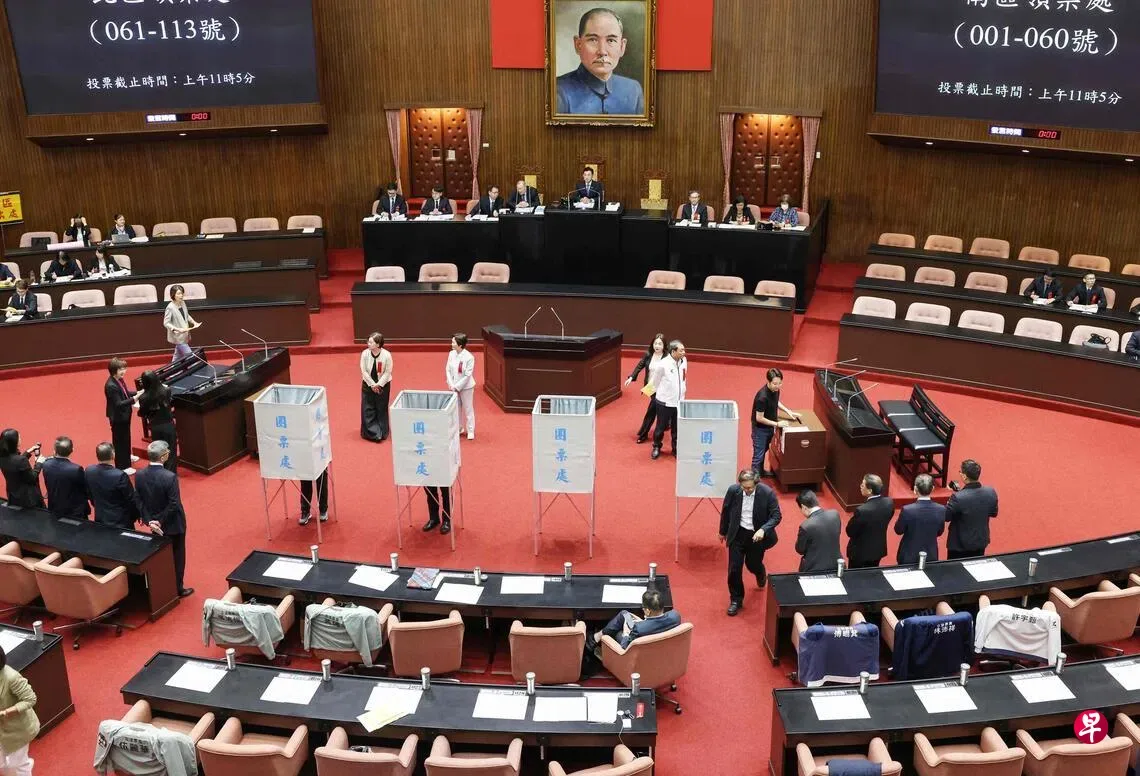
Taiwan’s Legislative Yuan held a roll-call vote on May 19, 2026, on the first-ever presidential impeachment motion in the country’s constitutional history, targeting President Lai Ching-te. The motion failed to pass, receiving 56 votes in favor and 50 opposed, short of the required two-thirds majority of 76 votes to advance the case to the constitutional court for adjudication [1, 2, 3, 4, 5, 6].
The impeachment was initiated by opposition lawmakers from the Kuomintang (KMT) and Taiwan People's Party (TPP) after Premier Chuo Jhong-tai refused to countersign the Fiscal Revenue and Expenditure Apportionment Act. The opposition accused Lai of unconstitutional governance and ignoring the legislature’s authority [1, 2, 3, 4, 5]. The ruling Democratic Progressive Party (DPP) blocked the motion with its 51 legislators, calling the impeachment a politically motivated stunt without legal merit. Lin Chu-yin, a DPP spokesperson, called it a "political show" that harmed Taiwan’s budget process and welfare [2].
Taiwan’s Legislative Yuan consists of 113 seats. The opposition’s combined 59 seats—51 or 52 KMT and 8 TPP—were insufficient to meet the 76-vote threshold set by constitutional amendments requiring a two-thirds majority for presidential impeachment [1, 2, 3, 5, 6]. Six legislators, including the Legislative Speaker Han Kuo-yu and Vice Speaker Jiang Qi-chen, did not receive ballots due to official duties such as attending the World Health Assembly [4, 7, 8, 5, 6].
During the vote, all KMT and TPP lawmakers supported the impeachment, while DPP members voted against it. Chen Ching-lung, TPP legislative leader, said President Lai’s actions showed "unconstitutional and illegal behavior with total disregard for the legislature" [2, 3, 4, 6]. The DPP condemned the opposition, with legislator Wu Si-yao accusing them of colluding with foreign hostile forces to destabilize Taiwan [3]. DPP Legislative Whip Zhuang Rui-xiong defended the high impeachment threshold, calling the opposition’s attempt misleading and politicized [9]. Meanwhile, the KMT described Lai’s presidency as "the first to face a formal impeachment motion" marking a "shameful record" [2].
The impeachment process began in late December 2025 when the Legislative Yuan passed a motion to initiate proceedings after the premier refused to countersign the budget law. It included public hearings, review sessions, and a legislative hearing held from January through May 2026 [2, 4, 7, 8, 6]. A key dispute centered on Taiwan’s defense budget, with the government proposing 1.25 trillion NT dollars (~395 billion USD) while the opposition approved 780 billion NT, reflecting divergent policy priorities [5, 10].
Premier Chuo Jhong-tai held a press conference on May 19 to summarize his cabinet’s achievements and future plans, expressing hope that the impeachment failure would lead to improved cross-party relations [2, 3]. President Lai Ching-te plans to hold a two-year anniversary press conference on May 20 to outline his administration’s record and forthcoming goals [2, 3].