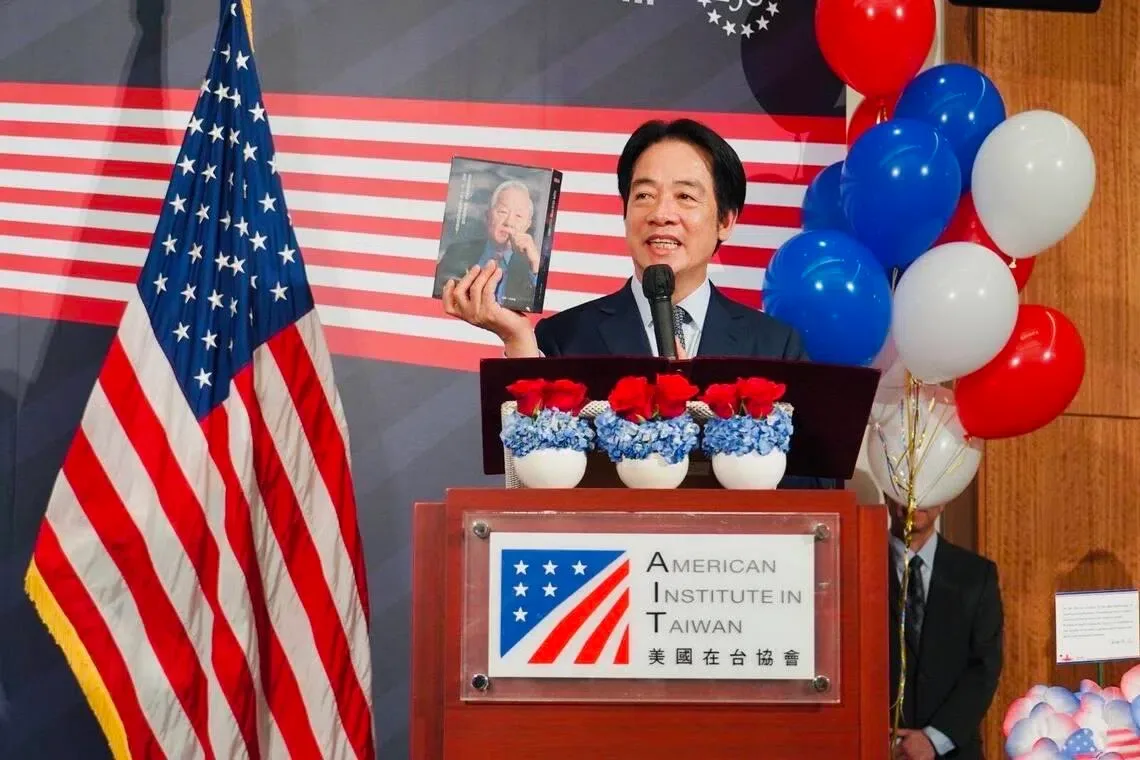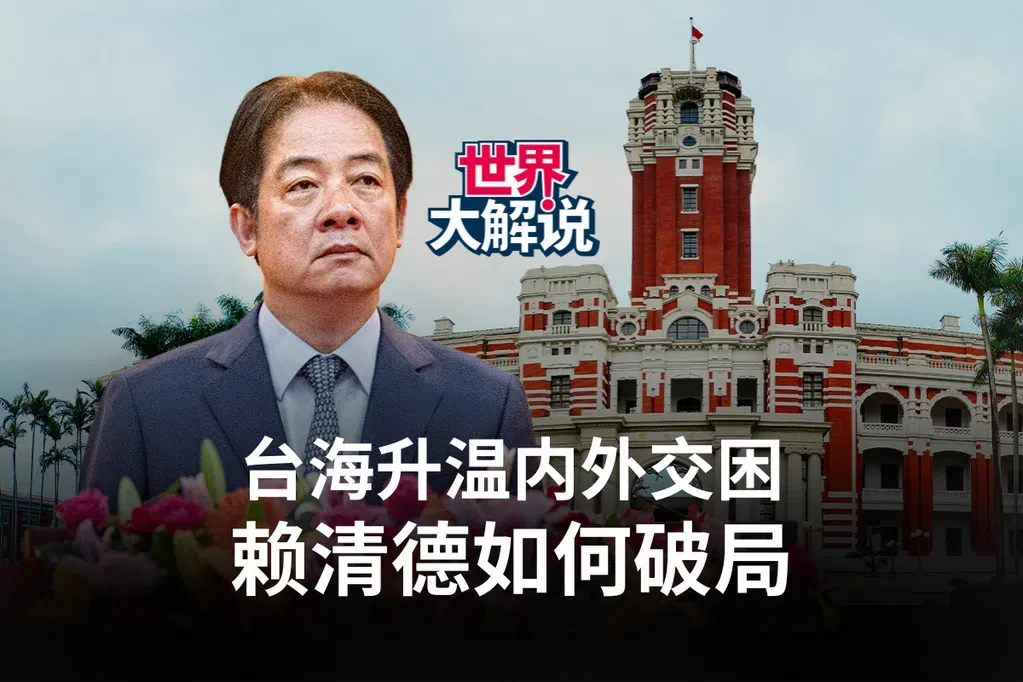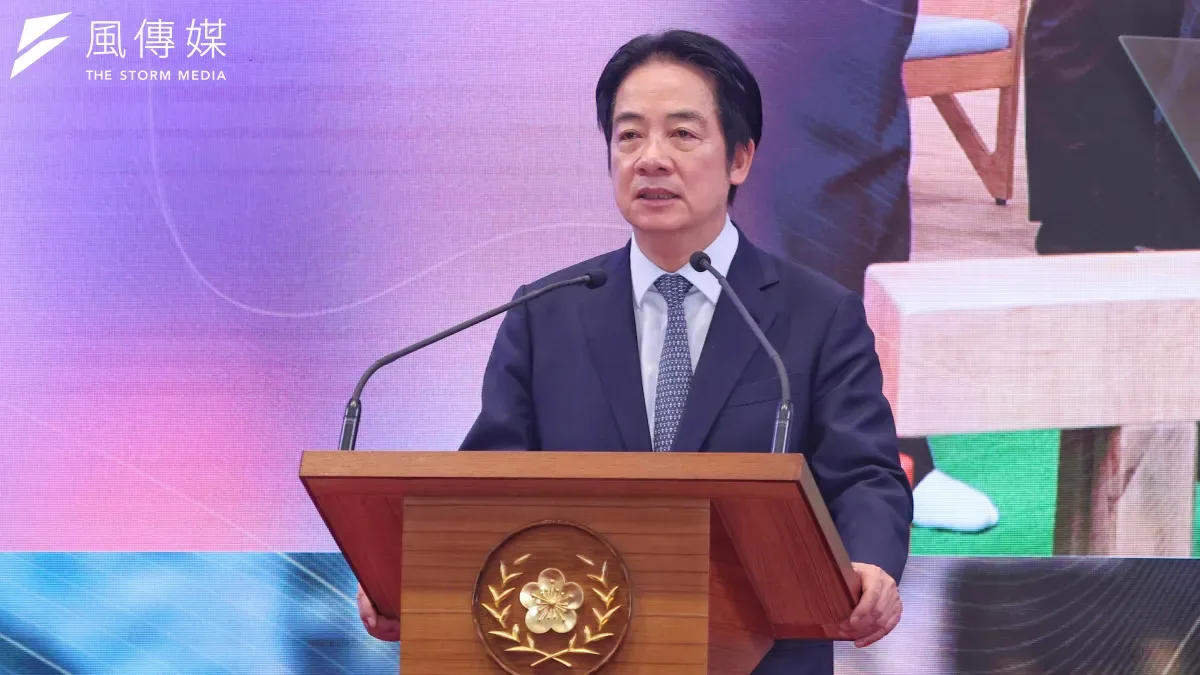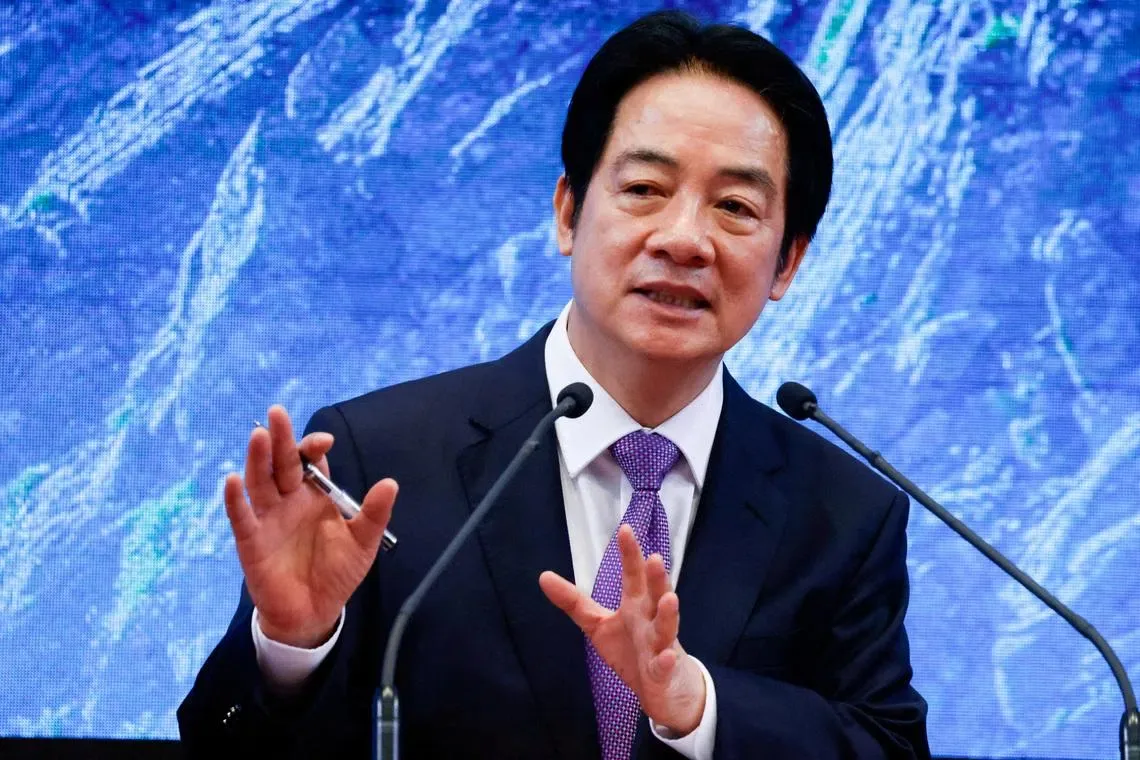
Taiwan President Lai Ching-te marked his second year in office on May 20, 2026, by calling for "healthy and orderly exchanges with Mainland China under the principle of equality," signaling a willingness to maintain dialogue despite mounting tensions [1]. He said, "Taiwan is willing to carry out healthy and orderly exchanges with Mainland China under the principle of equality" [1].
The Chinese Taiwan Affairs Office responded sharply, accusing Lai of hypocrisy and deceptive tactics toward Taiwan’s public and the international community. It stated, "Lai is hypocritically claiming to promote cross-strait dialogue and exchanges to deceive Taiwan's people and international opinion" [1].
Amid this diplomatic backdrop, a major poll by MyGoNews and Electronic News, conducted from May 20-22 among 1,078 respondents, showed Lai’s approval rating rising slightly to 45.7%, surpassing his disapproval rating of 44.9% for the first time since a major recall attempt last year [2, 3, 4]. However, the disapproval rate has grown nearly 20 percentage points since he took office, while satisfaction has only inched up 0.5 points [5, 4, 6].
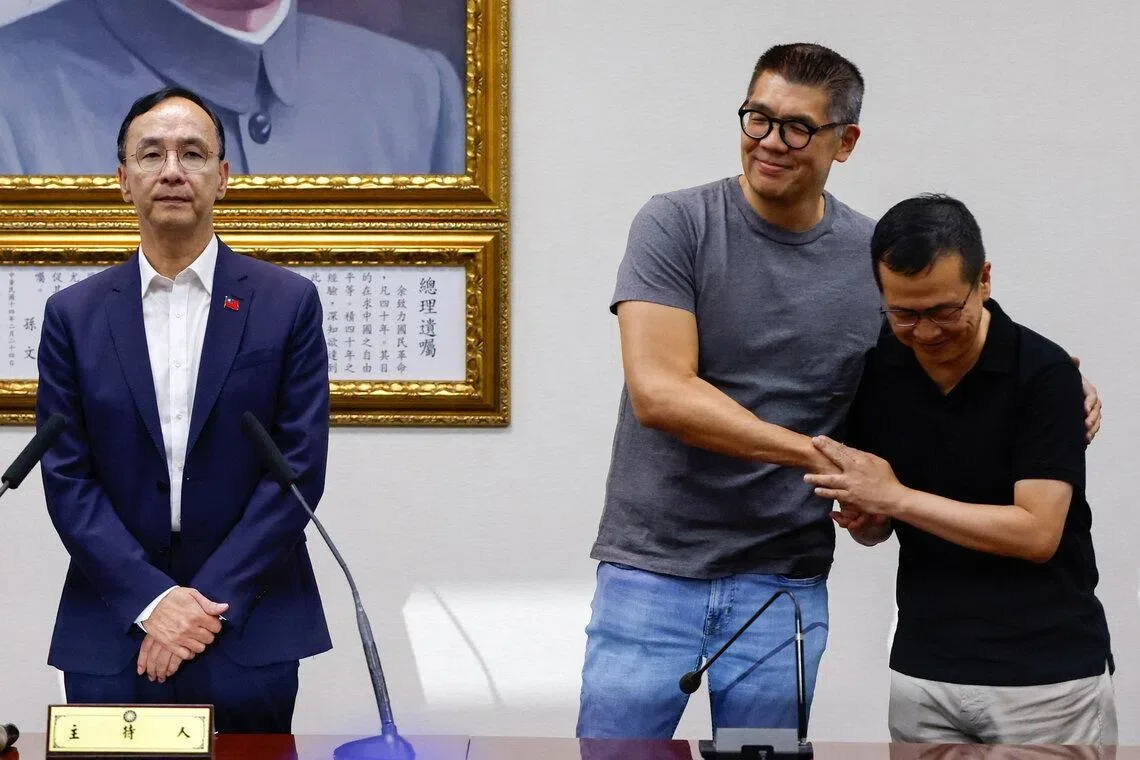
Lai's trust rating declined to 45.2%, dropping 7.8 points compared to two years ago, while distrust rose 7.3 points [6, 7, 8]. His traditional southern strongholds, including Yunlin-Chiayi-Tainan and Kaohsiung-Pingtung, saw sharp trust declines of 20 to 30 points [6, 9, 7]. Wu Tzu-chia, chairman of MyGoNews, warned, "Lai’s trust crisis in his stronghold areas is severe; this may lead to big changes in the 2026 election. Kaohsiung’s Ku Chen-yen should be ready to celebrate" [9].
Younger voters aged 20-29 and those with university or higher education also showed significant drops in approval and trust [3, 5, 6]. Poll expert Dai Li-an observed a "softening background" for the Democratic Progressive Party’s traditional southern base, adding, "Opposition must rely on local candidates and effective tactics to win votes" [6].
In response to demographic challenges, Lai’s government announced an 18-point "Taiwan Population New Strategy—Family Support" policy on May 27. The package includes monthly child allowances and housing tax reductions, backed by a substantial budget increase of roughly 3,800 billion NTD [3, 4, 10].
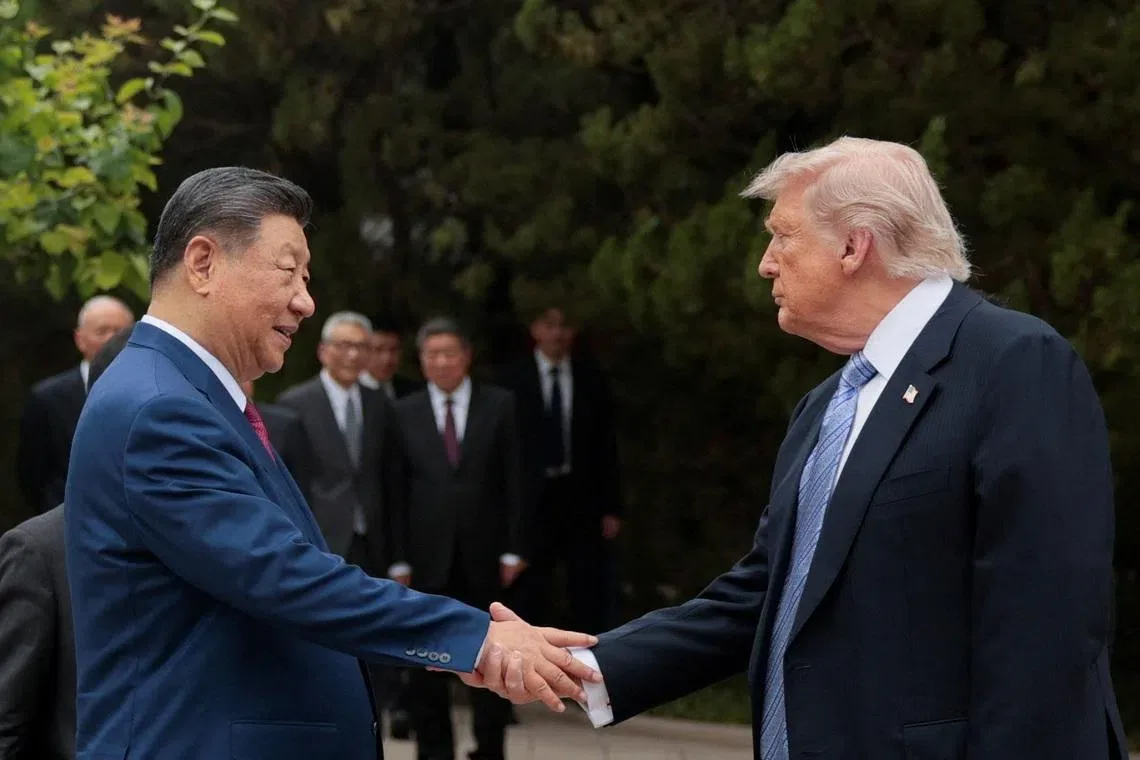
Internationally, the May 2026 U.S.-China summit in Beijing highlighted divergent stances on Taiwan. Beijing emphasized Taiwan as the top bilateral issue, while the U.S. confirmed postponing a $14 billion arms sale to Taiwan, signaling continued pressure amid the sensitive cross-strait relationship [1, 6].
The Democratic Progressive Party retains plurality support across Taiwan despite internal divisions and cross-strait tensions complicating Lai’s governance. The local elections scheduled for later in 2026 pose a key test for Lai’s administration and his party’s electoral strategy [1, 2, 5, 6].