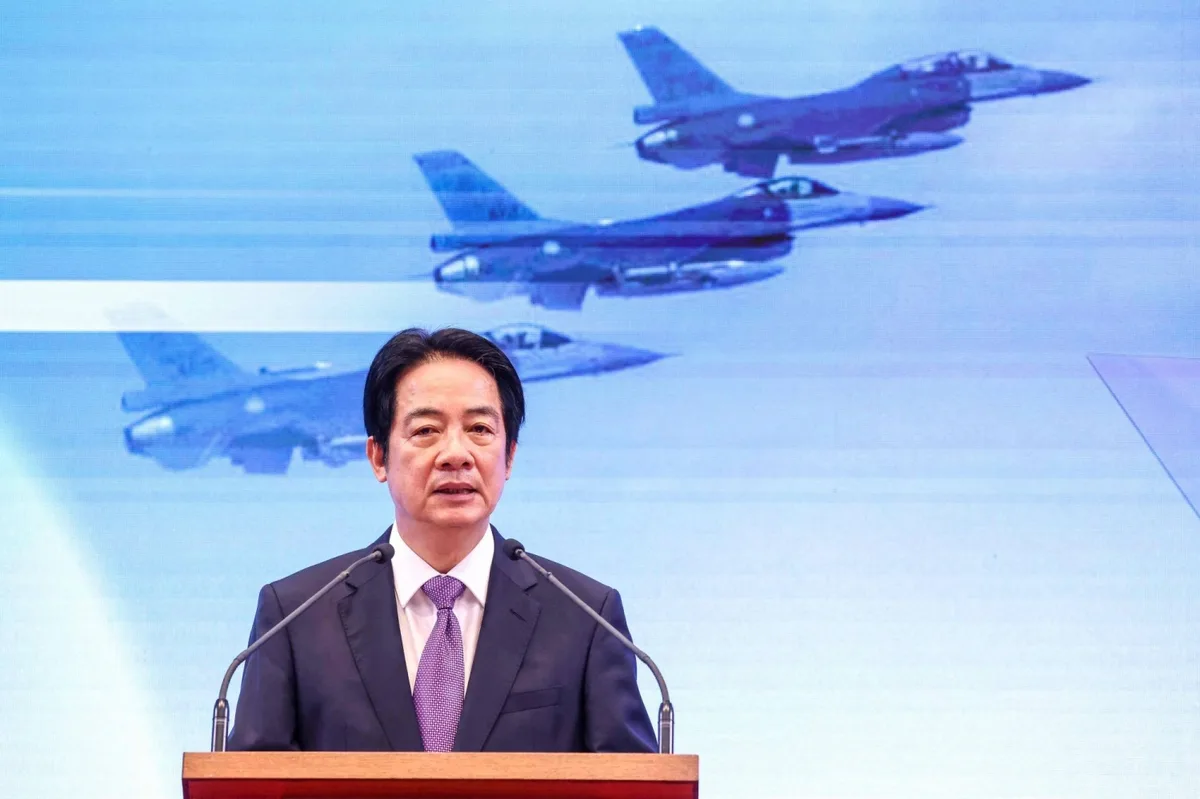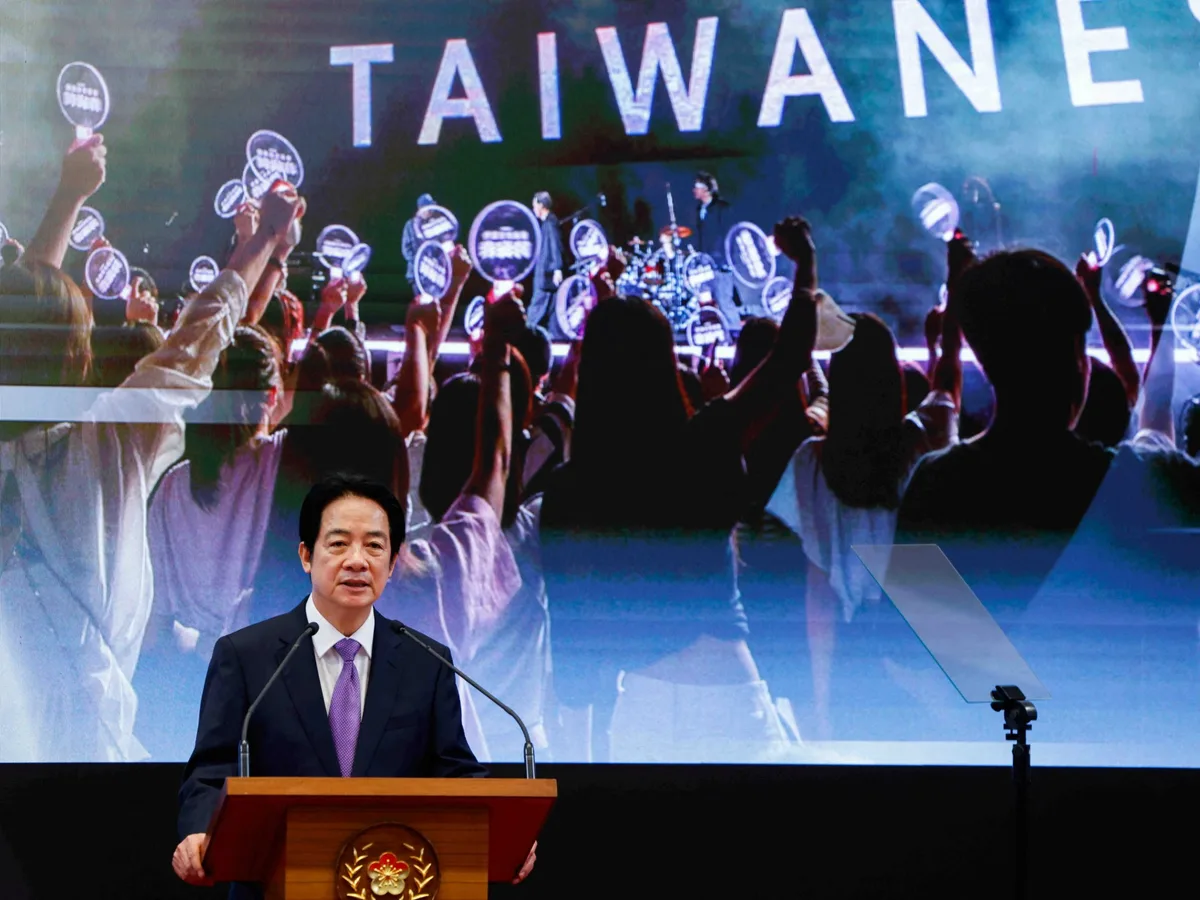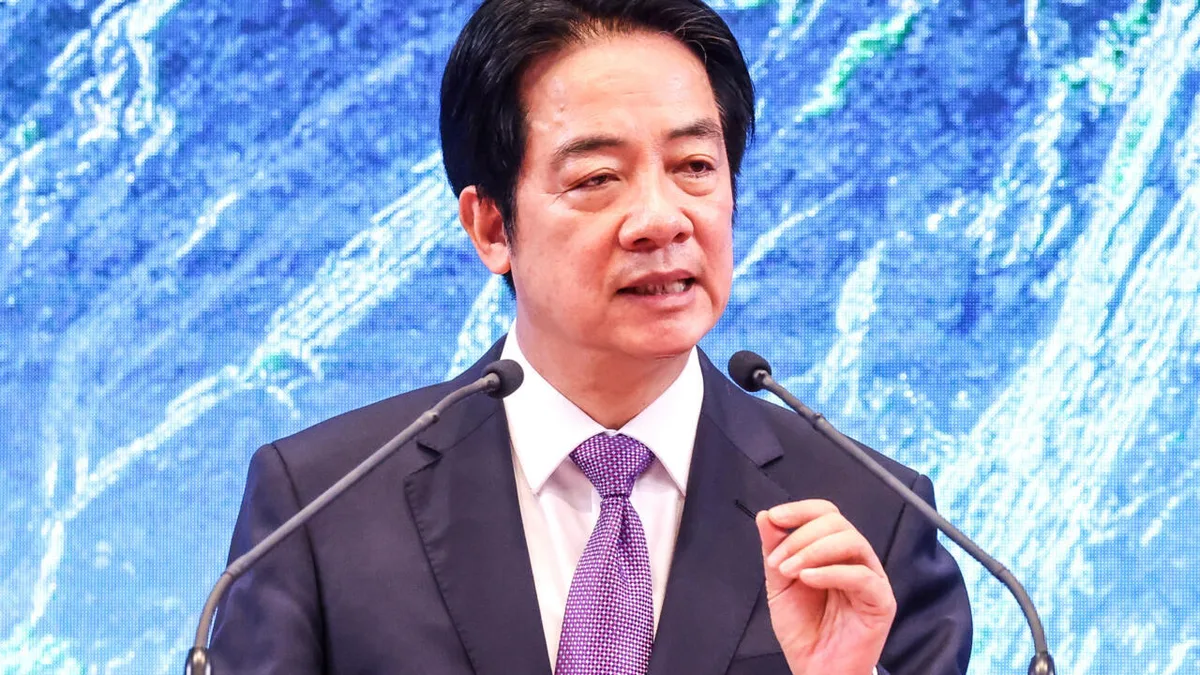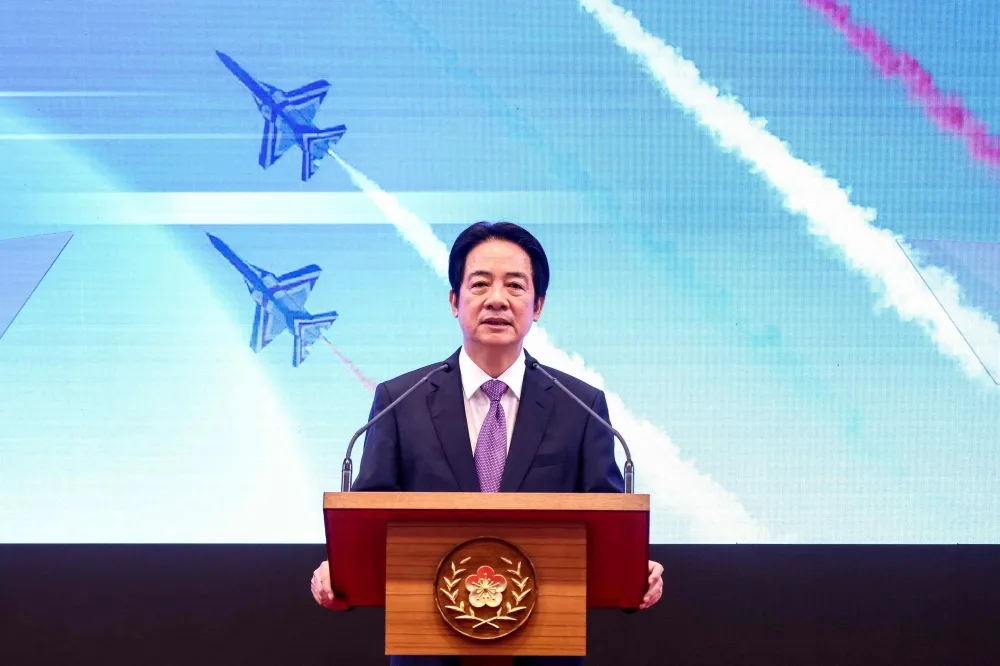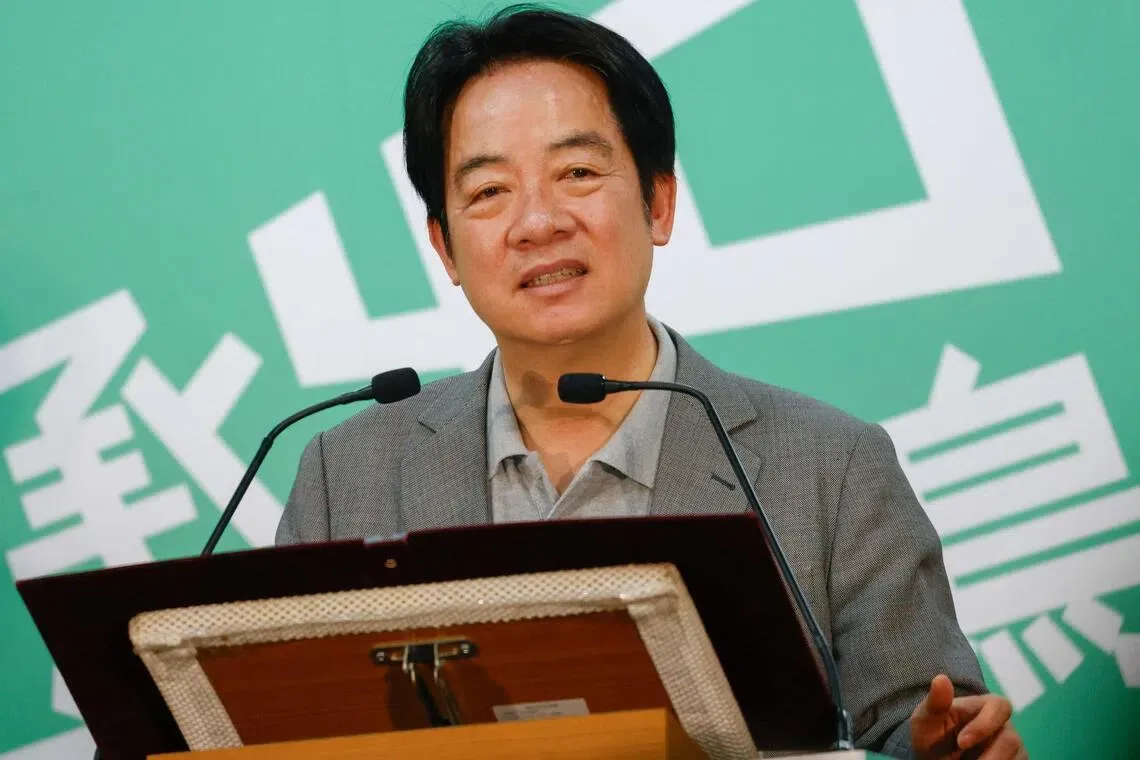
Taiwanese President Lai Ching-te declared on May 20 that Taiwan’s future cannot be determined by foreign or external forces, but only by its own people. He spoke on the second anniversary of his presidency, saying, "Taiwan’s future cannot be decided by external forces, nor can it be held hostage by fear, division, or short-term interests" [1, 2, 3, 4, 5].
Lai emphasized Taiwan’s commitment to maintaining peace and stability across the Taiwan Strait. He said Taiwan seeks to prevent any external force from altering the cross-strait status quo and is willing to engage in exchanges with China based on parity, equality, dignity, and an equal footing. However, he firmly rejected any unification proposals disguised as peace or attempts to sacrifice Taiwan’s sovereignty. "We will not sacrifice our sovereignty and democratic way of life," Lai said [1, 3, 4, 5].
Taiwan relies heavily on U.S. security support and arms sales to deter a potential Chinese attack. However, U.S. President Donald Trump said last week in Beijing that he was undecided on further arms sales and considered them a bargaining chip in talks with China. Trump said, "Arms sales to Taiwan are a good negotiating chip and I’m not looking to have somebody say, ‘Let’s go independent’" [1, 2, 3, 5].
In response, Lai’s government reaffirmed that U.S. policy toward Taiwan has not changed and no commitments were made to China on arms sales. Taiwan’s parliament recently approved a defense spending bill of about US$25 billion to purchase U.S. weapons, including nearly US$9 billion from an announced US$11.1 billion arms package, with a potential second phase of around US$15 billion pending approval. Lai said the expanded defense budget aims to prevent war, not start one, as threats from China are greater than ever. "Taiwan must have the capability to protect itself and to uphold peace and stability in the Taiwan Strait," he stated [3, 4, 5].
China’s Taiwan Affairs Office accused Lai of inciting confrontation and peddling separatist fallacies. Spokesperson Zhu Fenglian said Lai “uses a narrative of democracy versus authoritarianism” and panders to external forces to “seek independence through foreign aid” and “seek independence through force” [4].
Lai’s approval rating stood at 38 percent as of early May, up from 32 percent in his first year in office [4].