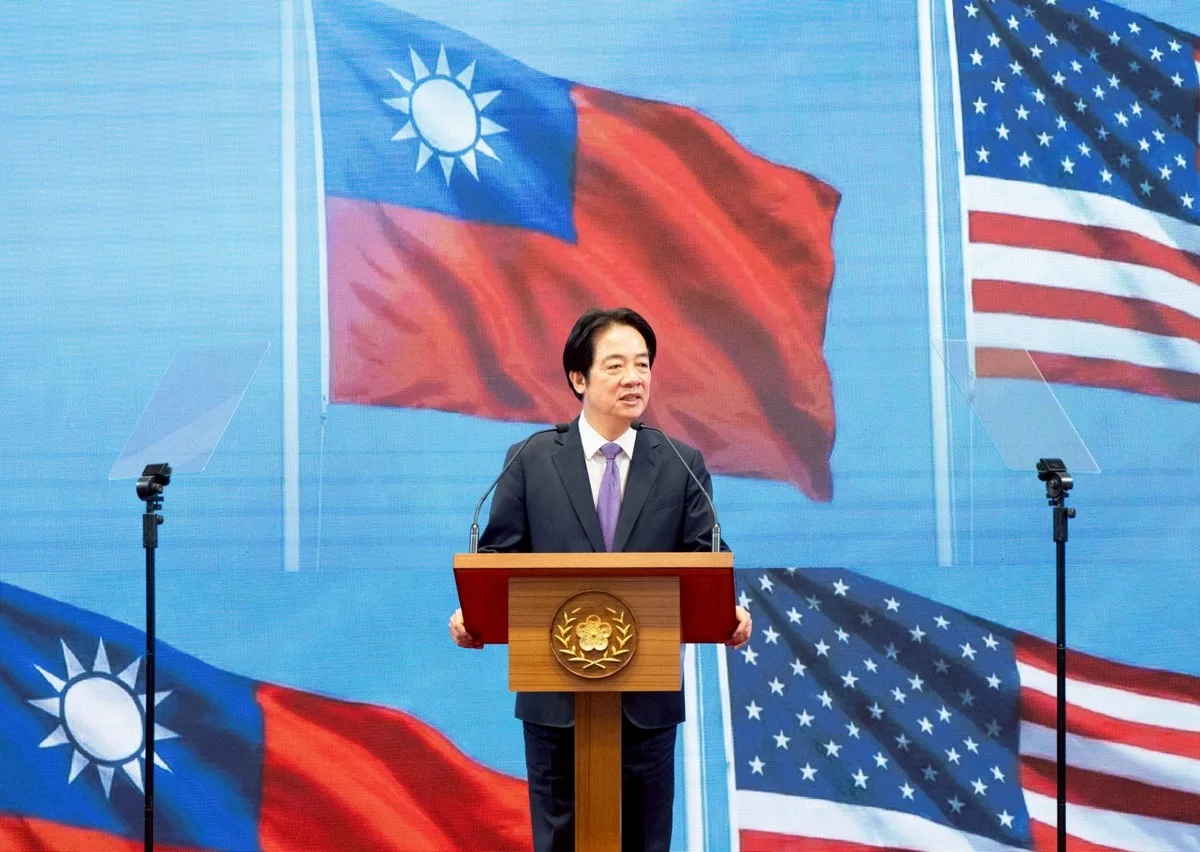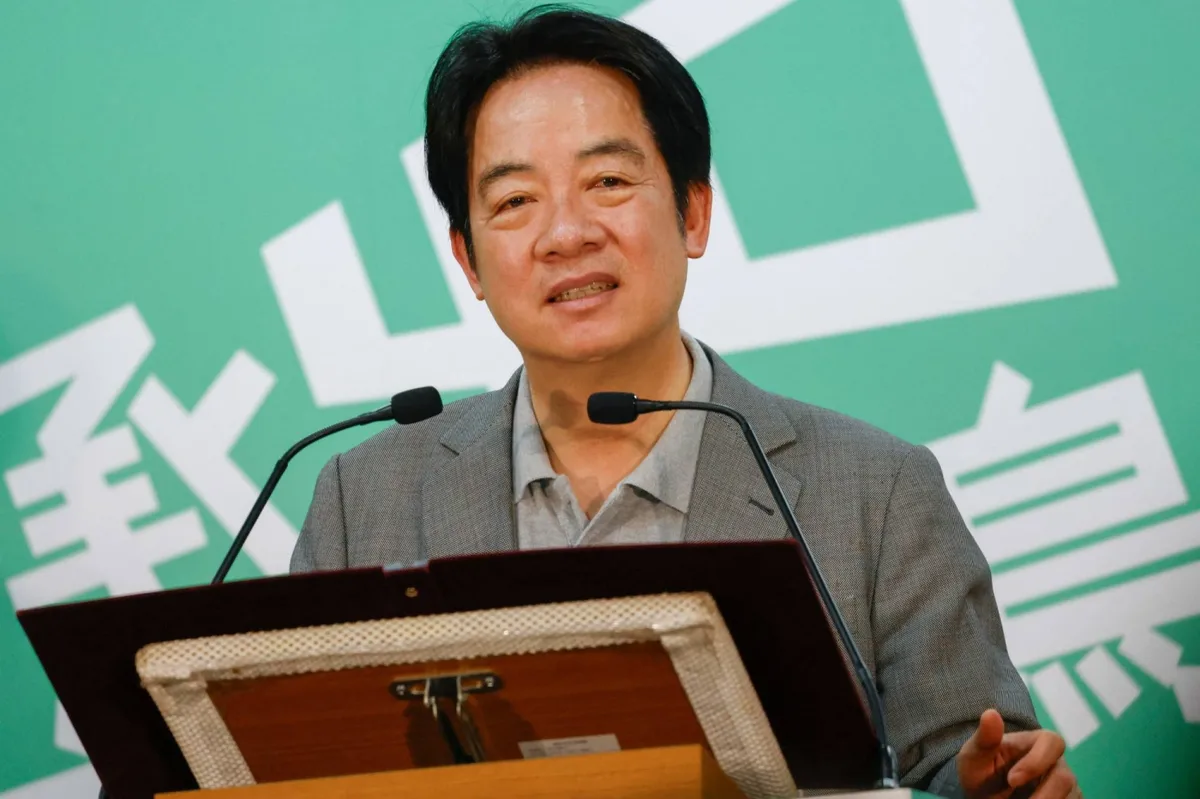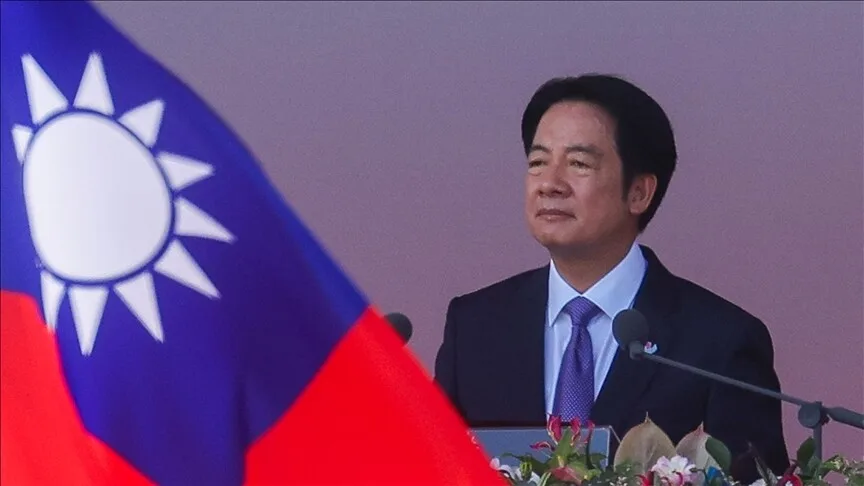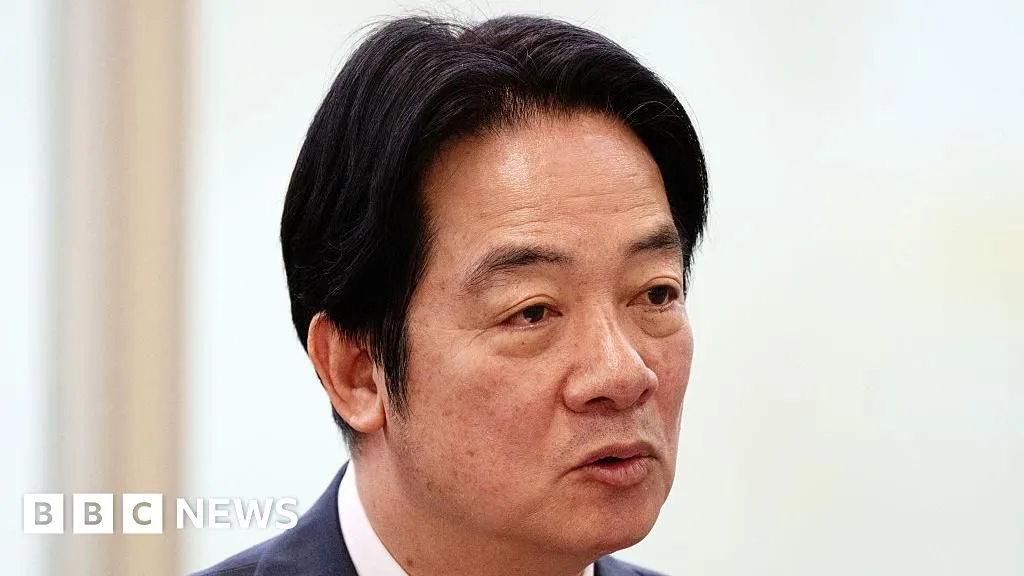
Taiwanese President Lai Ching-te posted a statement on May 17 reaffirming that Taiwan is a sovereign and independent democratic country and rejecting the notion of a "Taiwan independence" issue. He emphasized that Taiwan will not provoke or escalate conflict but will not relinquish its sovereignty or democratic way of life under pressure [1, 2, 3, 4, 5].
Lai described Taiwan as the defender of the status quo in the region. "Taiwan will never be sacrificed or traded," he said, and stressed, "Taiwan's sovereignty must not be infringed upon or annexed and Taiwan's future should be decided by its people." He called China "the root cause of regional instability and changes to the status quo" and rejected China's use of "unification" as a coercive cover [1, 2, 3, 4, 5].
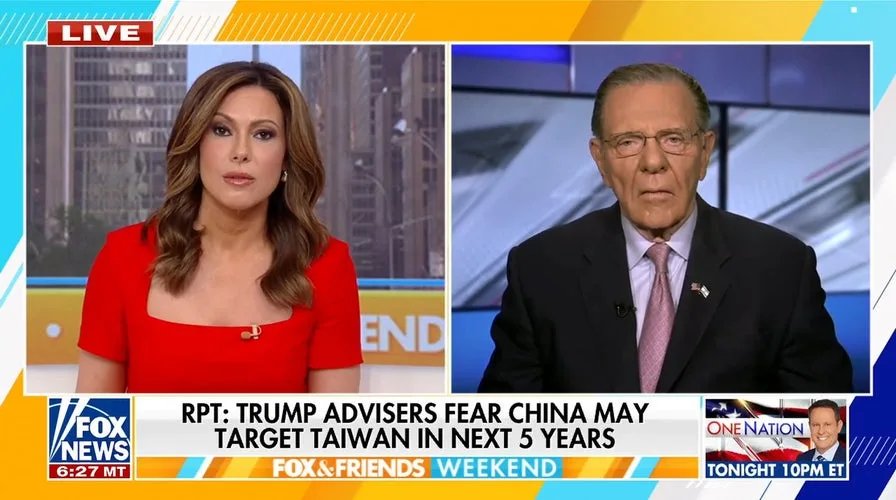
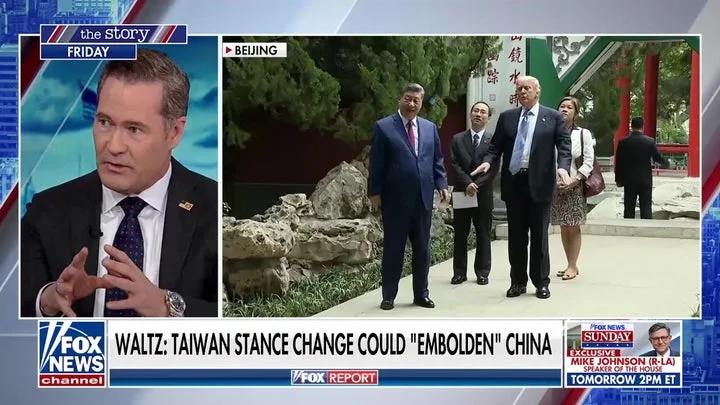
The reaffirmation followed a historic summit held on May 14 in Beijing between US President Donald Trump and Chinese leader Xi Jinping, where Taiwan was a key topic of discussion [1, 2, 3, 4, 5]. On May 15, Trump told Fox News he was not seeking Taiwan to declare independence and urged both sides to "cool down," saying, "I'm not looking to have someone go independent, and we have to travel 9,500 miles to fight a war" [2, 3, 4, 5].
Trump confirmed that US policy on Taiwan remains unchanged but made no commitment on a pending $14 billion arms sales package to Taiwan, which awaits his approval. The US has already approved an $11 billion arms sale to Taiwan last year [1, 2, 3, 4, 5]. Some sources report the pending package is worth $11 billion while others say $14 billion [2, 3, 5].
China considers Taiwan part of its territory and insists on unification, threatening the use of force if necessary [1, 2, 4, 5]. Lai’s statement stressed that Taiwan’s future must be decided by the Taiwanese people and rejected Chinese coercion.
The situation remains tense as US-China relations over Taiwan continue under close watch. Trump’s pending decision on the arms sales package is a key upcoming development.