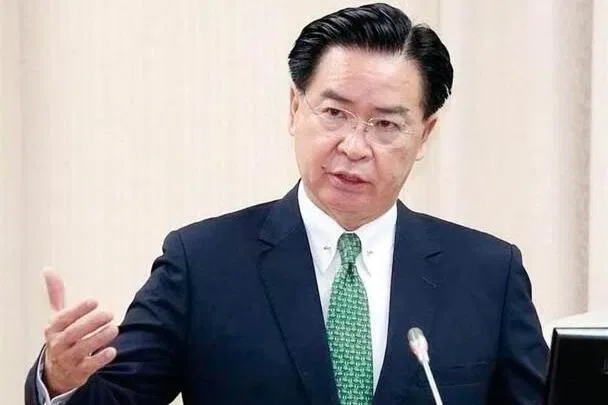
Taiwan’s National Security Council chief Joseph Wu said on May 23 that China deployed over 100 navy, coast guard, maritime militia, and research vessels in waters from the Yellow Sea to the South China Sea and Western Pacific, along the first island chain [1, 2, 3, 4]. Wu wrote on social media that China is the "one & only PROBLEM wrecking the StatusQuo & threatening regional peace & stability" in the region [1].
The vessel deployment occurred in the days after US President Donald Trump’s May 20 meeting with Chinese President Xi Jinping in Beijing. Trump said he would talk with Taiwanese President Lai Ching-te about the "Taiwan problem" and arms sales following the summit [1, 2, 5]. According to a Taiwan security official, some Chinese vessels had been detected before the summit but the number surged above 100 only recently [1, 5].
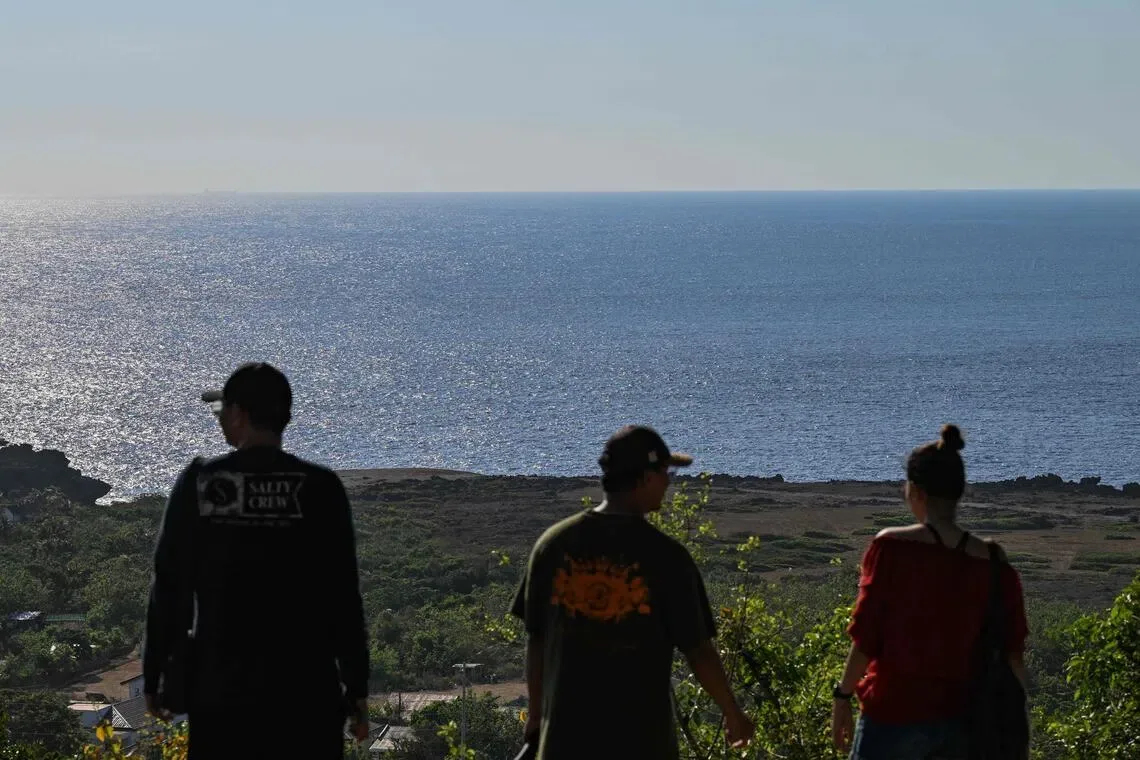
Among the Chinese ships active are navy and coast guard vessels, along with maritime militia and scientific research ships. The research ship "Tongji" was detected twice conducting unauthorized activities in Taiwan waters on May 7 and May 15 and was driven away by Taiwan's Coast Guard [3, 4, 6, 7]. Taiwan said China currently operates over 120 marine research vessels, rapidly expanding their presence from the first island chain to the second and third island chains, including Guam and Hawaii [4, 6, 7].
Taiwan accuses China of destroying the status quo and threatening peace and stability in the region. Wu wrote, "China is the only problem wrecking the status quo and threatening regional peace & stability" [1, 3]. Taiwan’s national security bodies are closely watching the maritime deployments and view them as "grey zone" tactics aimed at pressuring Taiwan and neighbors without triggering open conflict [4, 6, 8]. China claims Taiwan as part of its territory and has repeatedly threatened to use force to seize it [1, 2, 5].
On May 22, Taiwan Coast Guard released video condemning Chinese maritime coercion near Taiwan [3, 4]. Reports also surfaced on May 21 of Chinese, Taiwanese, and US military air and naval confrontations in the Taiwan Strait area [9, 10, 8].
Taiwan continues to monitor vessel movements closely as tensions remain high. The situation follows President Trump’s pledge on May 20 to discuss arms sales and the Taiwan issue directly with Taiwan’s leader [1, 2, 5].