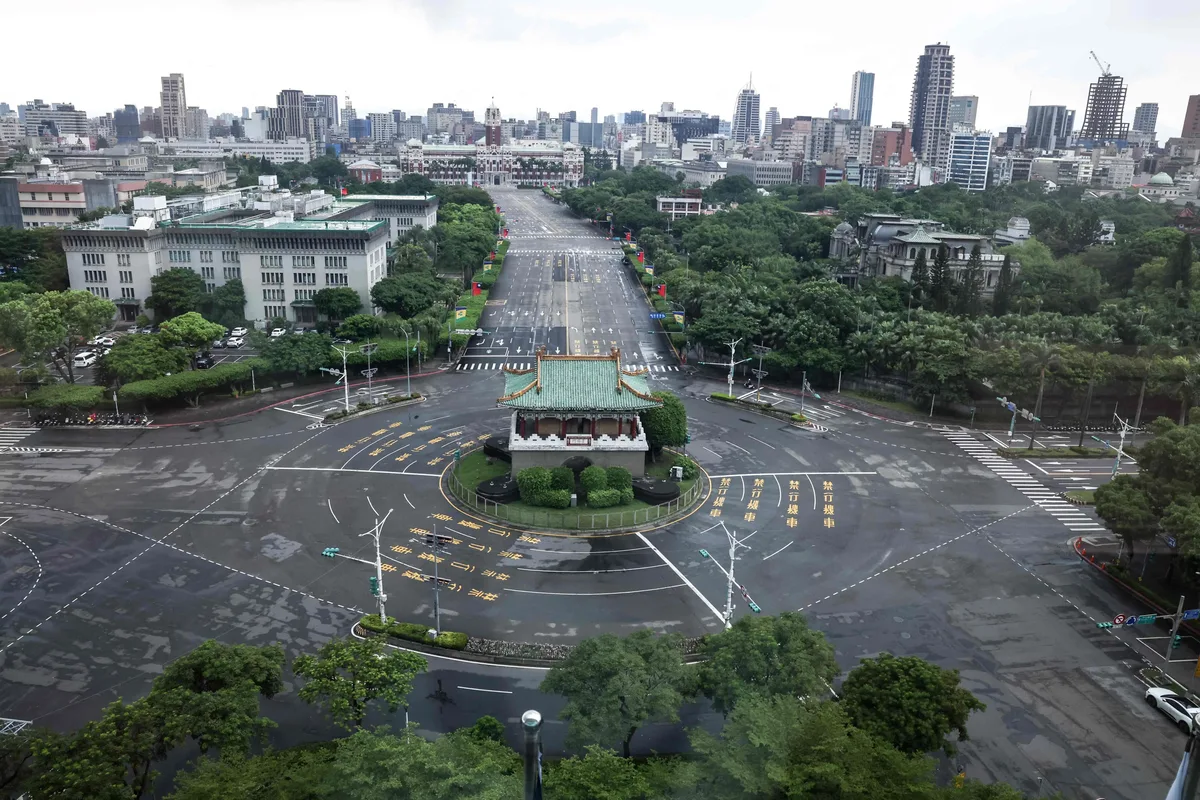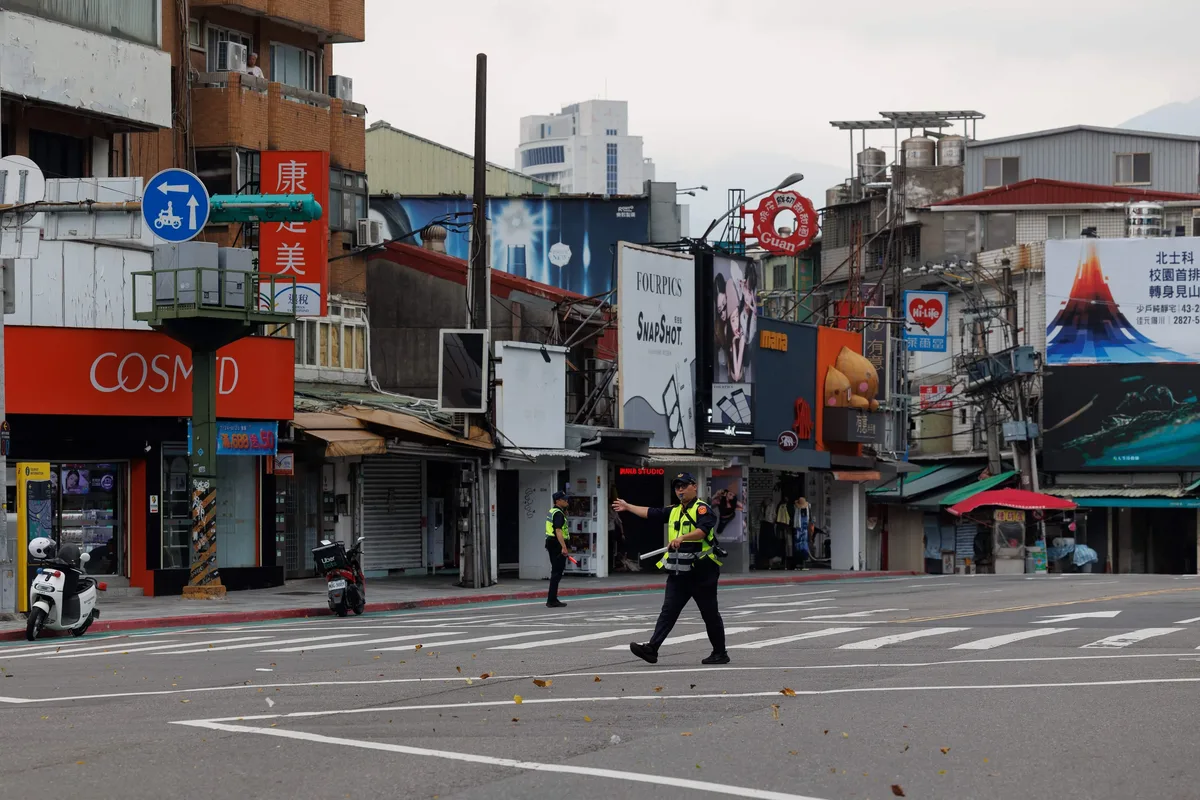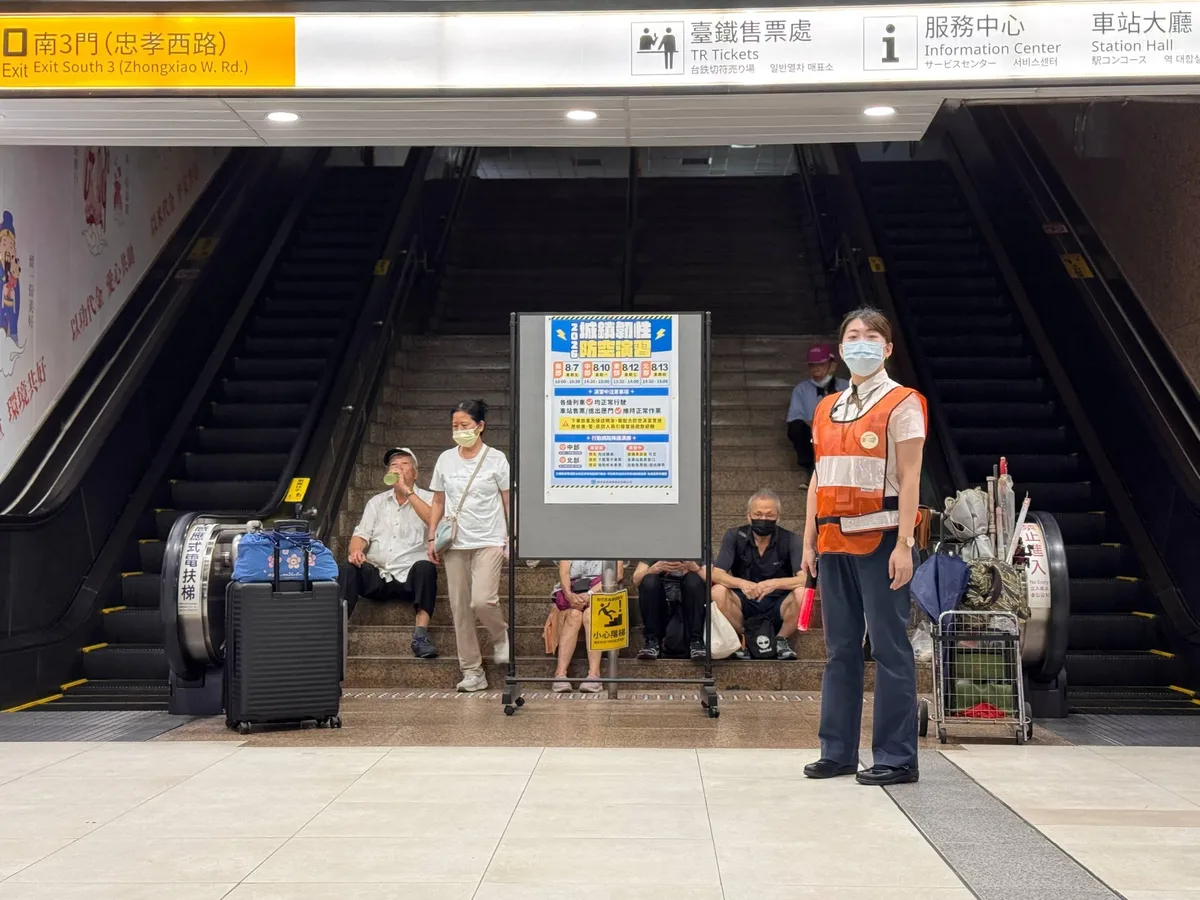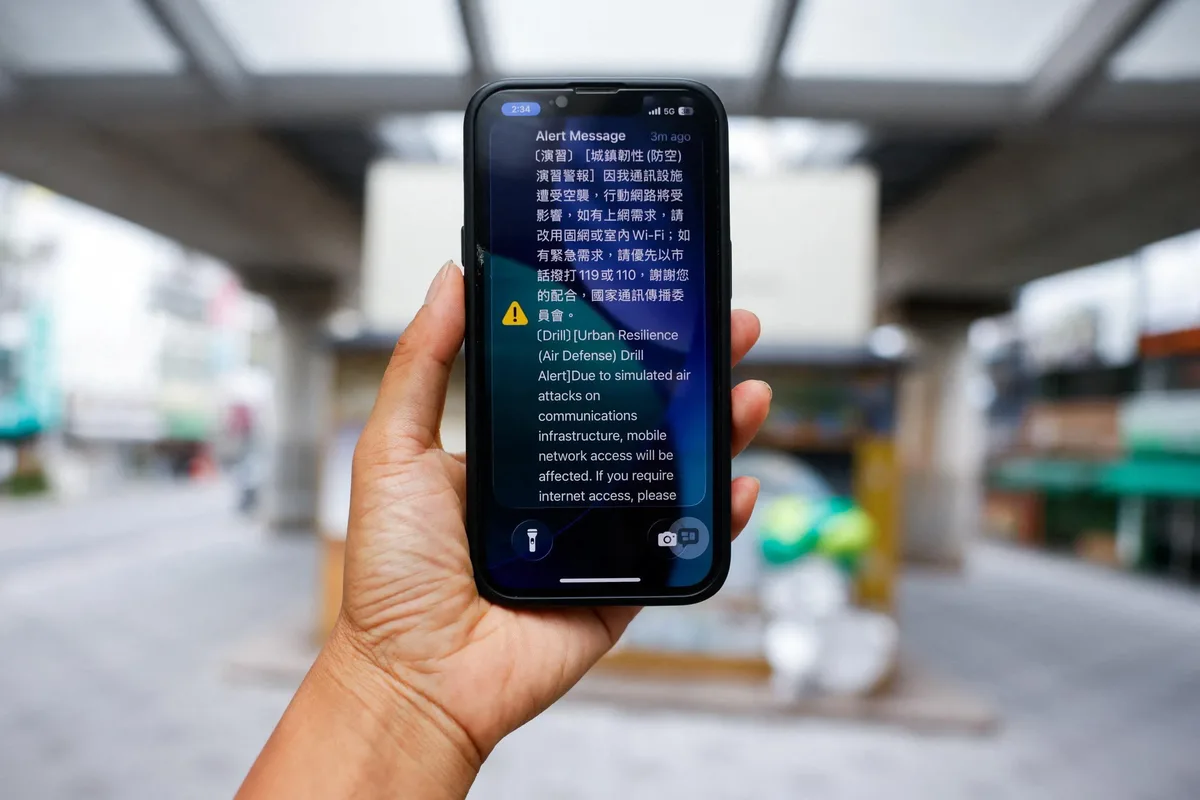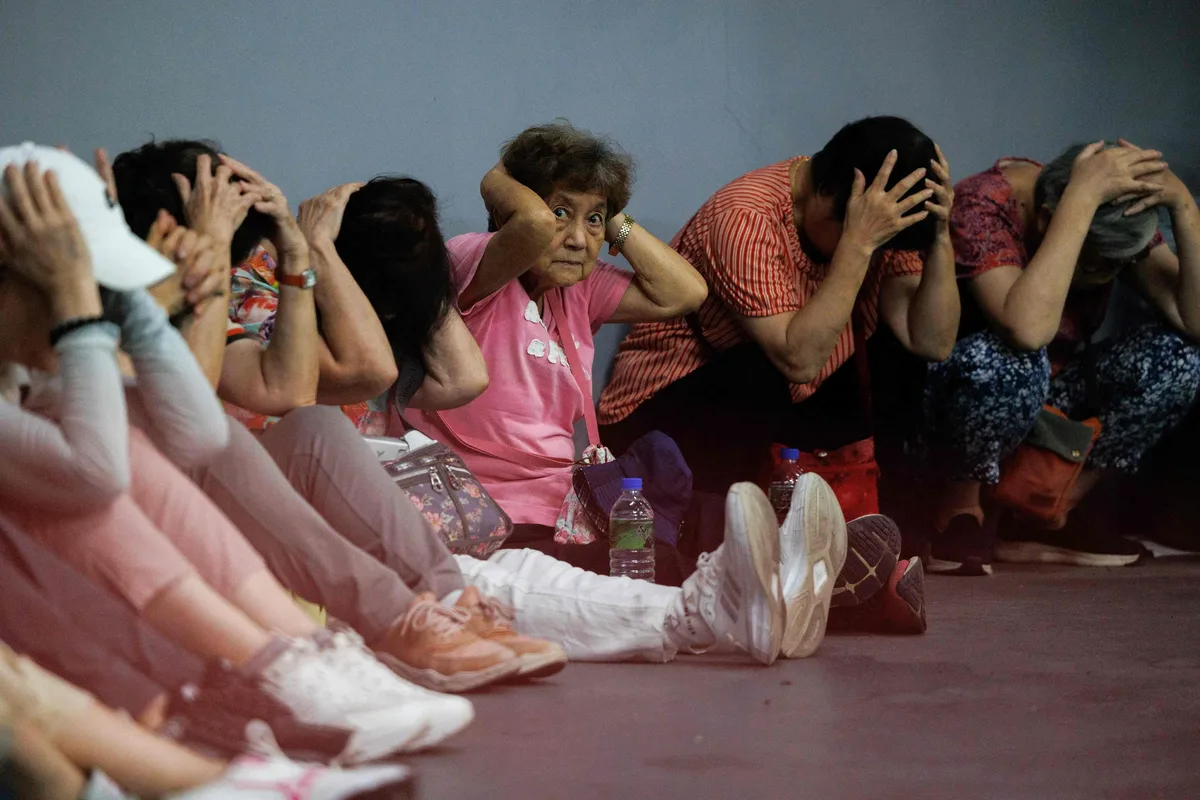
Taiwan conducted its first-ever mobile network slowdown drill on August 13 as part of the annual Han Kuang military exercise, simulating wartime communication outages across northern and central Taiwan [1, 2, 3, 4, 5, 6, 7, 8, 9]. The drill affected approximately 17 million people in 14 counties and cities, representing roughly 73% of the island's population, according to officials [2, 3].
Mobile internet speeds on 4G and 5G networks were significantly reduced for about 30 minutes. Users experienced slow video streaming, social media access, video calls, and mobile payments. Basic phone functions such as voice calls, text messaging, emergency numbers (110, 119), Wi-Fi, and fixed-line internet remained unaffected [1, 2, 3, 4, 5, 9]. One citizen described mobile speeds dropping near 1 Mbps, saying it felt like returning to 3G with long loading times for pictures and videos [3].
The drill simulated scenarios of damage to submarine cables or base stations, vulnerabilities critical to Taiwan's external communications [1, 2, 3, 5]. Authorities aimed to balance the exercise's realism with public concerns by slowing networks rather than completely cutting service. The drill's commander, Ji Liancheng, said data from all three major telecom carriers showed the slowdown met government targets without fully cutting connections [6]. However, some lawmakers from the opposition Kuomintang party claimed they experienced total network outages and accused the drill's organizers of misrepresenting the disruption [6].
Some citizens expressed inconvenience and surprise, noting the heavy reliance many have on mobile internet and electronic payments, while others were unaware of the drill [3, 5, 6]. Politicians debated why only northern and central Taiwan participated, excluding southern regions. Opposition figures criticized the selective scope, while officials responded that southern and remote areas have existing outage experience and that northern and central areas hold most of Taiwan's population and mobile users [3, 6].
Taipei's public transit, including MRT and trains, continued normal operation during the drill. Some stations implemented "entry only" policies and advised commuters to use alternative fare payment methods due to mobile payment slowdowns [7, 10, 8, 9]. Authorities warned residents that failure to comply with civil defense orders during the exercise, such as evacuations, could result in fines between 30,000 and 150,000 New Taiwan dollars under civil defense laws [7, 10, 9].
Separately, amid the Han Kuang exercise, the American Institute in Taiwan promoted emergency preparedness materials, prompting criticism from Chinese state media that accused the US of pushing "war propaganda" in Taiwan [11, 12].
Taiwan's National Network Information Center director Huang Shengxiong said the network slowdown drill "improves psychological readiness for wartime and reminds citizens to consider alternatives to mobile networks" [1]. The first phase of a Town Resilience exercise, incorporating similar drills, had begun in central Taiwan counties on August 10 before the main drill on August 13 [4, 5, 6].