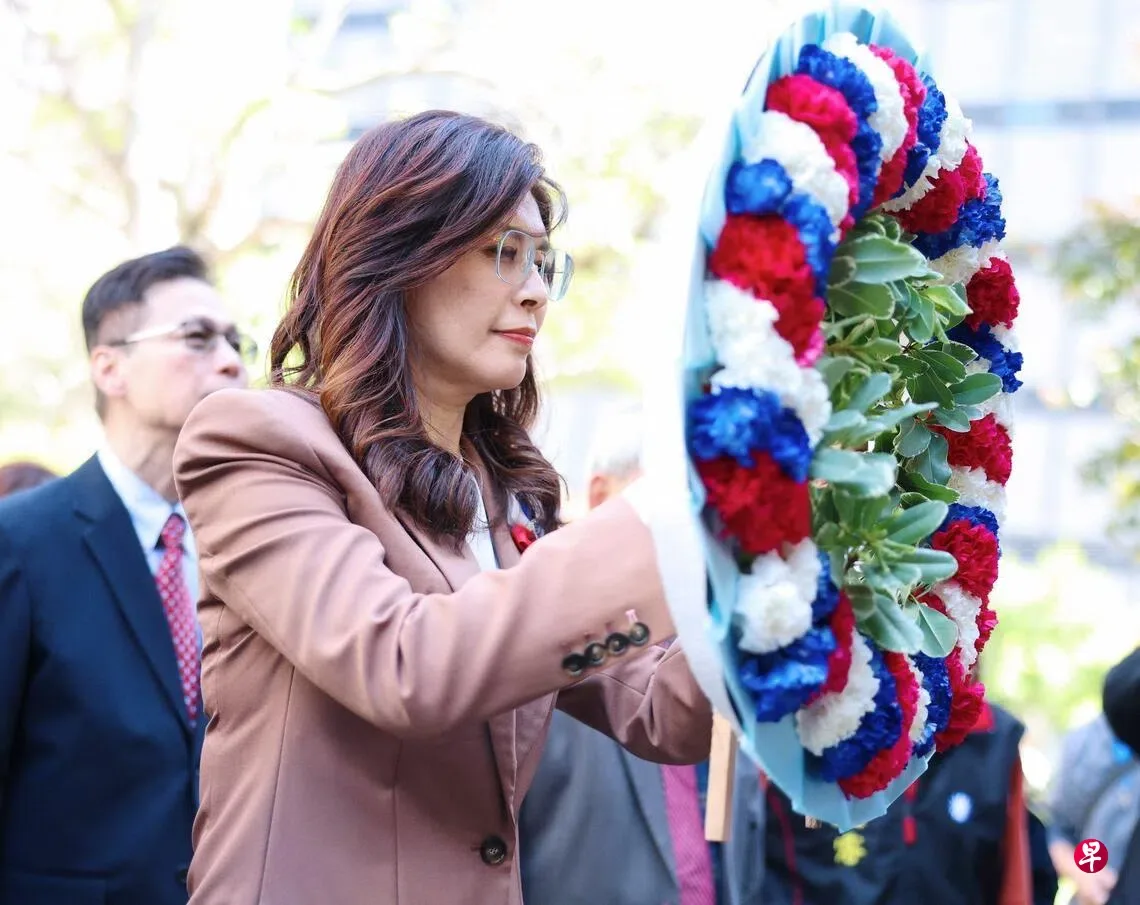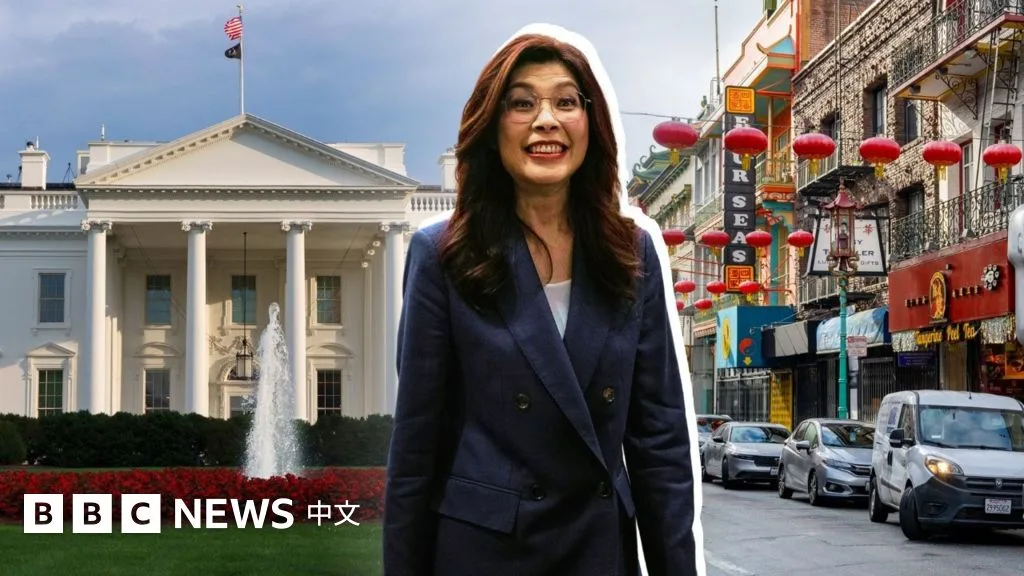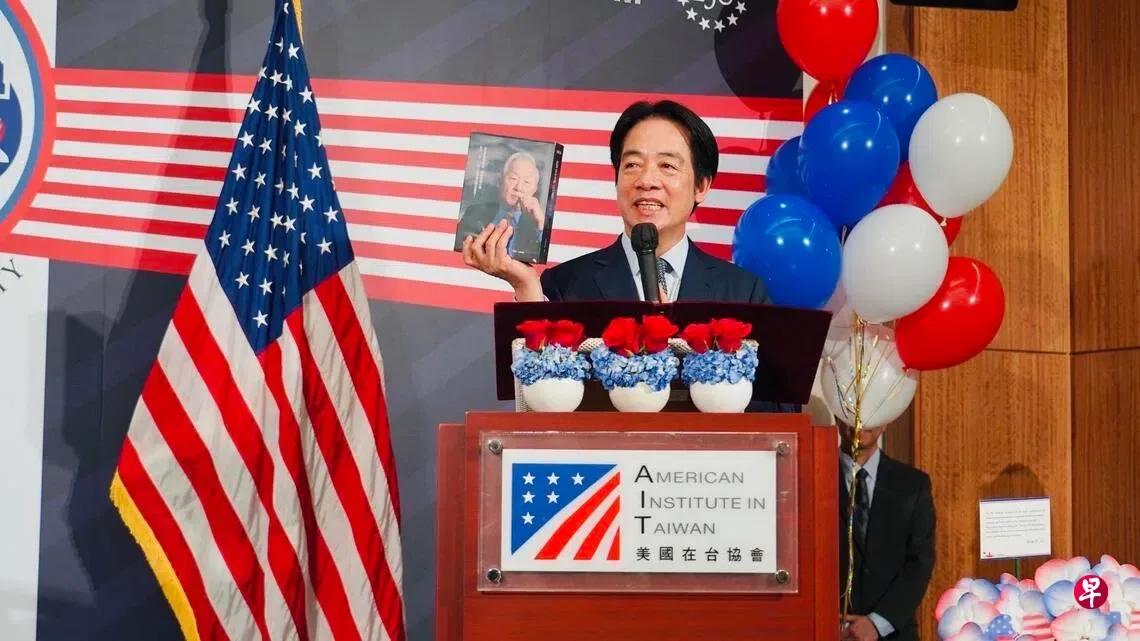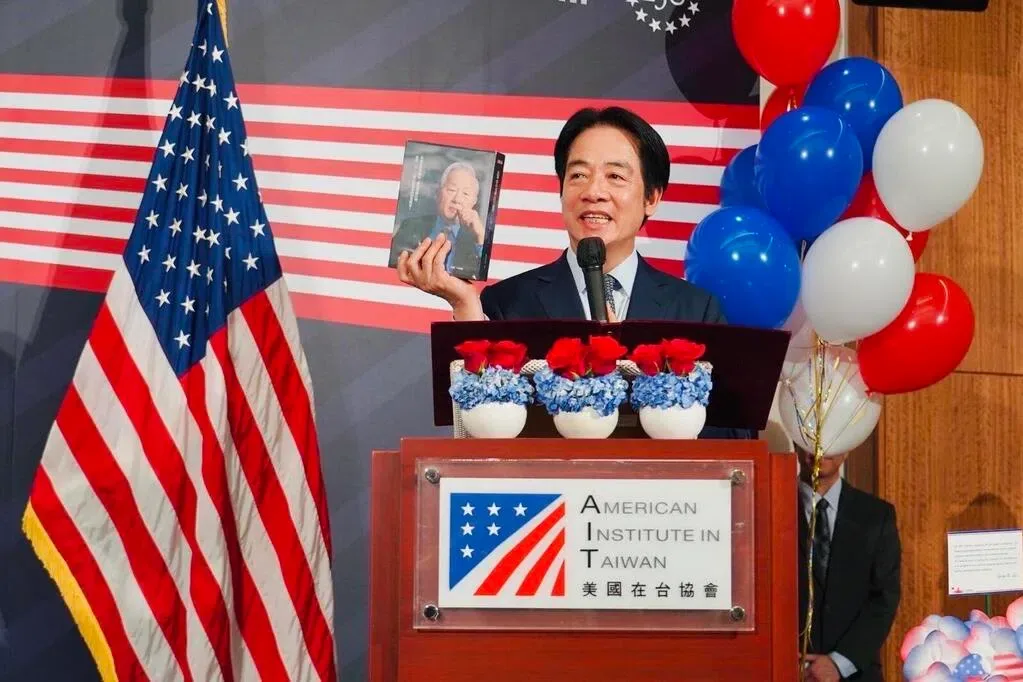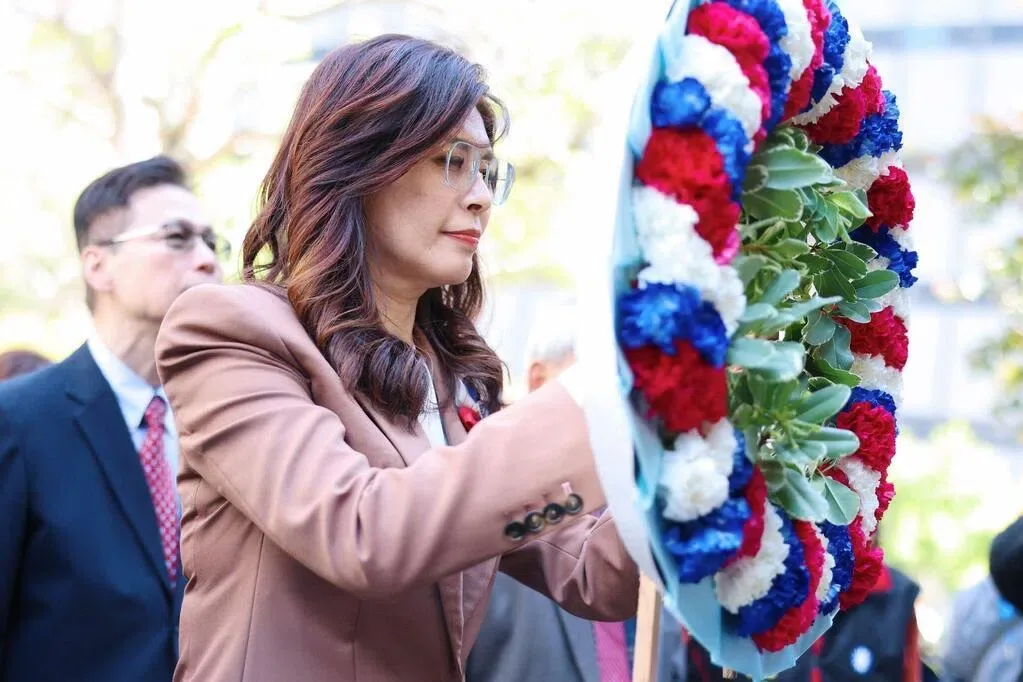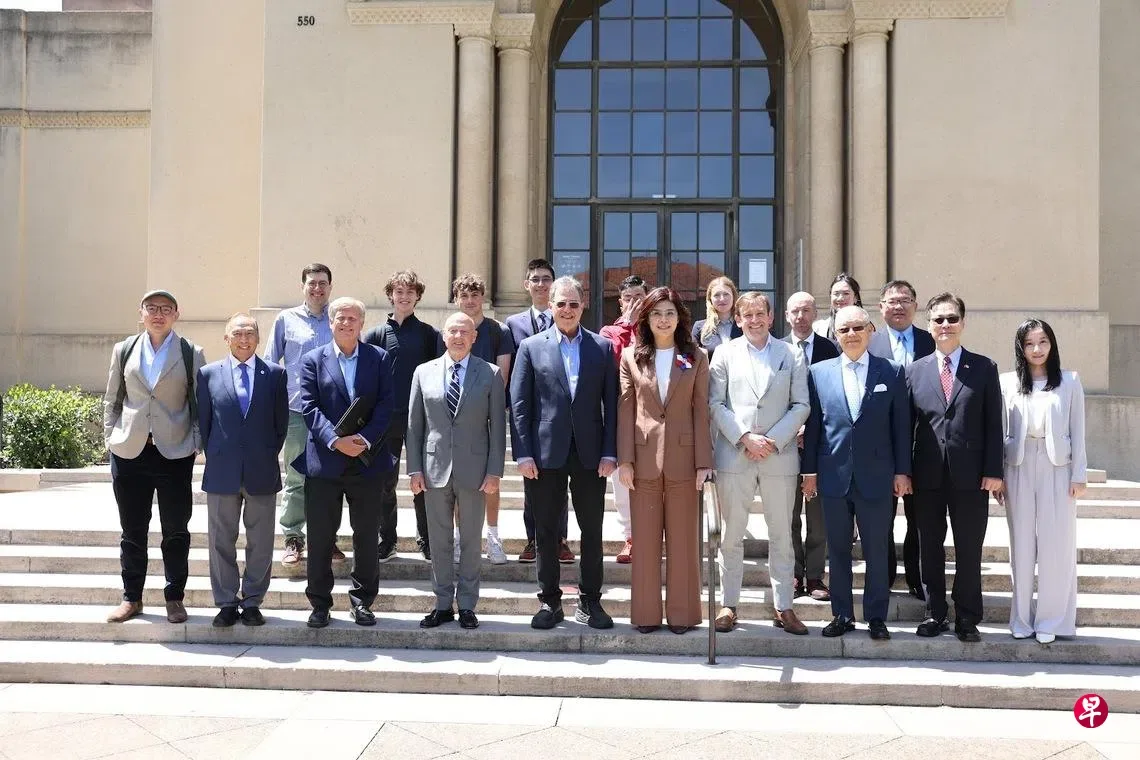
China Nationalist Party (KMT) Chairperson Zheng Liwen began a 16-day visit to the United States on June 1, 2026, with stops in San Francisco, Boston, New York, Washington D.C., and Los Angeles [1, 2, 3, 4, 5]. She held meetings with US Congress members, officials from the State Department and Department of Defense, as well as think tanks like the Center for Strategic and International Studies (CSIS) [1, 2, 3, 6].
Zheng emphasized the KMT's goal of promoting peace across the Taiwan Strait, opposing Taiwan independence, and easing regional tensions [2, 6, 7, 8, 4]. She stated Taiwan seeks to be a proactive actor in the Asia-Pacific security framework rather than a pawn of global powers [8]. Zheng also highlighted that her recent meeting with Chinese leader Xi Jinping was to secure a sincere commitment to peace, which she said made her US visit more meaningful [9, 5]. She warned against the United States falling into "Cold War" thinking and advocated transforming the first island chain into a "chain of peace and prosperity" supported by both Beijing and Washington [2, 3].
As part of the trip, Zheng engaged in academic exchanges at Stanford, Harvard, and MIT, met with overseas Chinese communities, and attended various diaspora dinners [1, 10, 2, 3, 5]. She sought to clarify US concerns about the KMT's political stance amid perceptions of a tilt toward Beijing, especially given the party's proposed 300 billion NTD (about 9.6 billion USD) defense budget cut [6, 4]. Zheng showed willingness to meet former President Trump but acknowledged diplomatic limits, noting no Taiwanese politician has met a US president since 1979 [2].
The Democratic Progressive Party (DPP) criticized Zheng's visit as a pro-Beijing propaganda effort, labeling it a "Xi-led external propaganda team" and questioning the delegation's backgrounds [7]. Mainland China's Foreign Ministry reiterated that Taiwan's foreign interactions, including Zheng's US trip, must adhere to the One China principle, with spokesperson Mao Ning stating, "Taiwan's foreign relations should be handled according to the One China principle" [11].
Earlier, Taiwan President Lai Ching-te emphasized a firm stance against any coercion to alter the Taiwan Strait status quo and underscored deepening US-Taiwan cooperation [12].
Zheng's team arrived in Washington D.C. on June 9 for meetings with Congress, the American Institute in Taiwan (AIT), and CSIS closed-door sessions [1, 10, 2]. The visit is scheduled to conclude with Zheng's return to Taiwan on June 16, 2026 [1, 2, 3, 6, 7, 5].