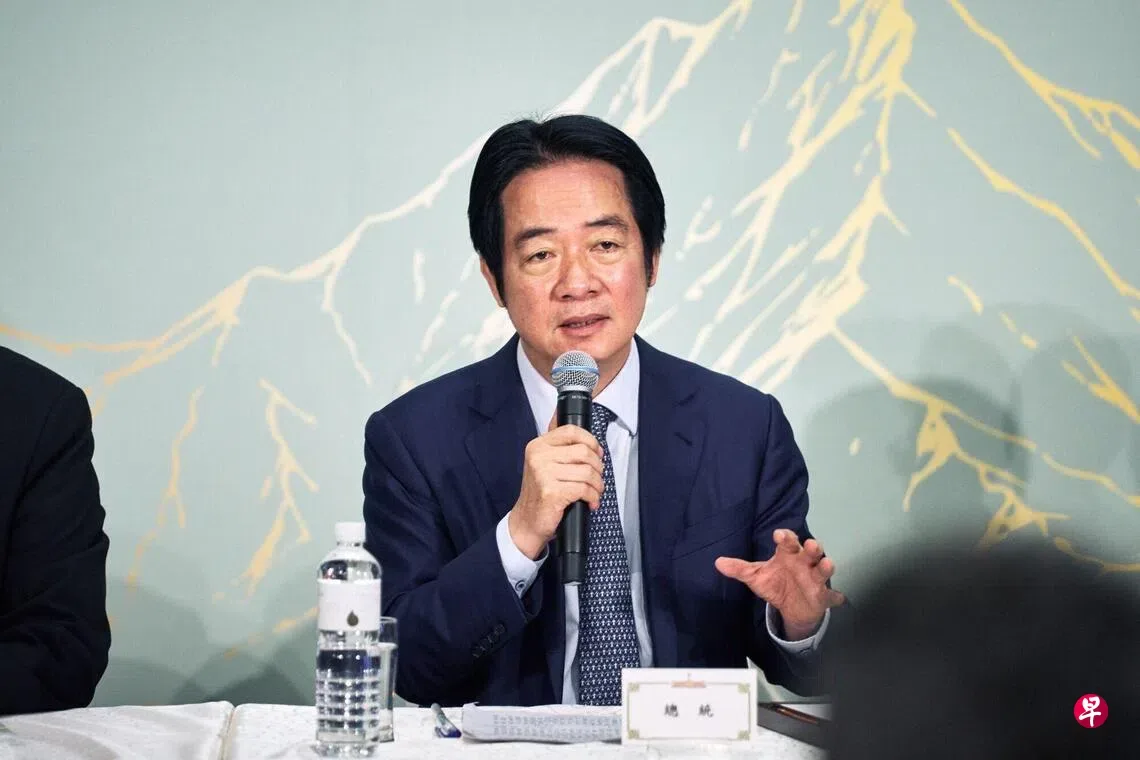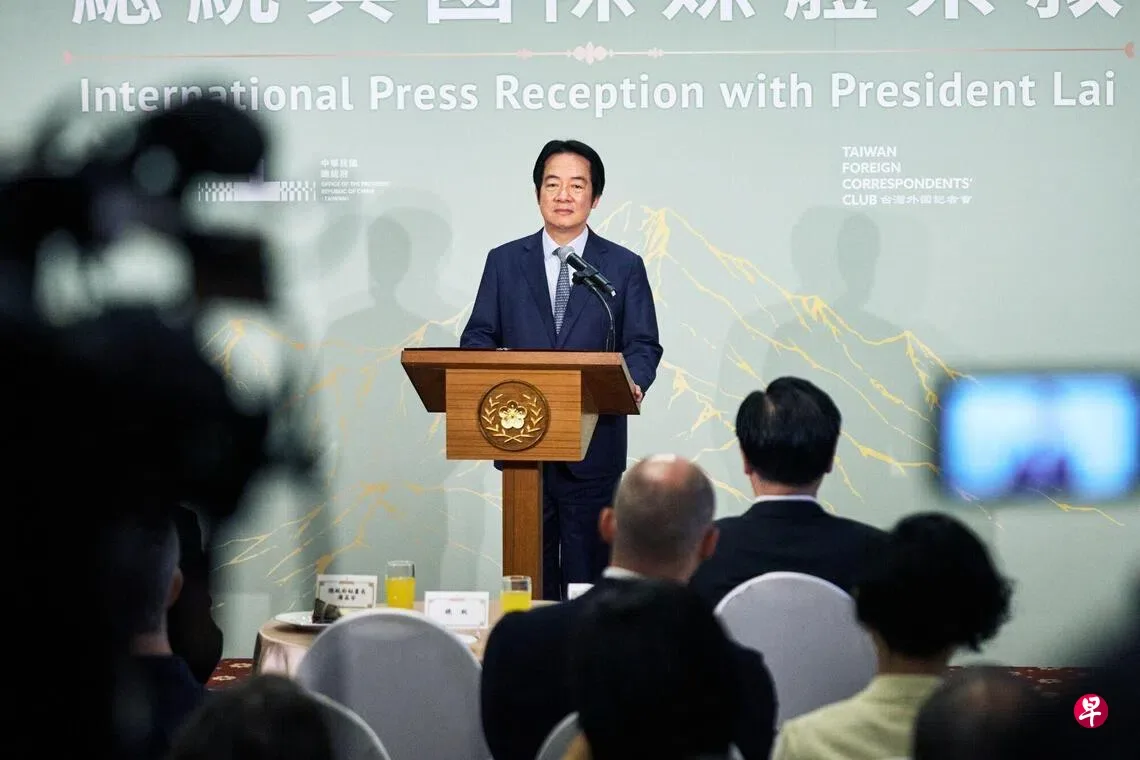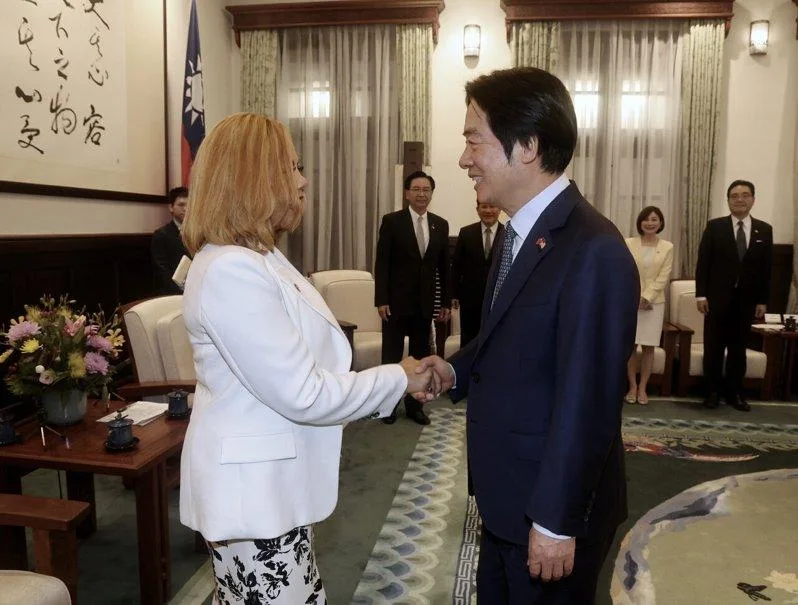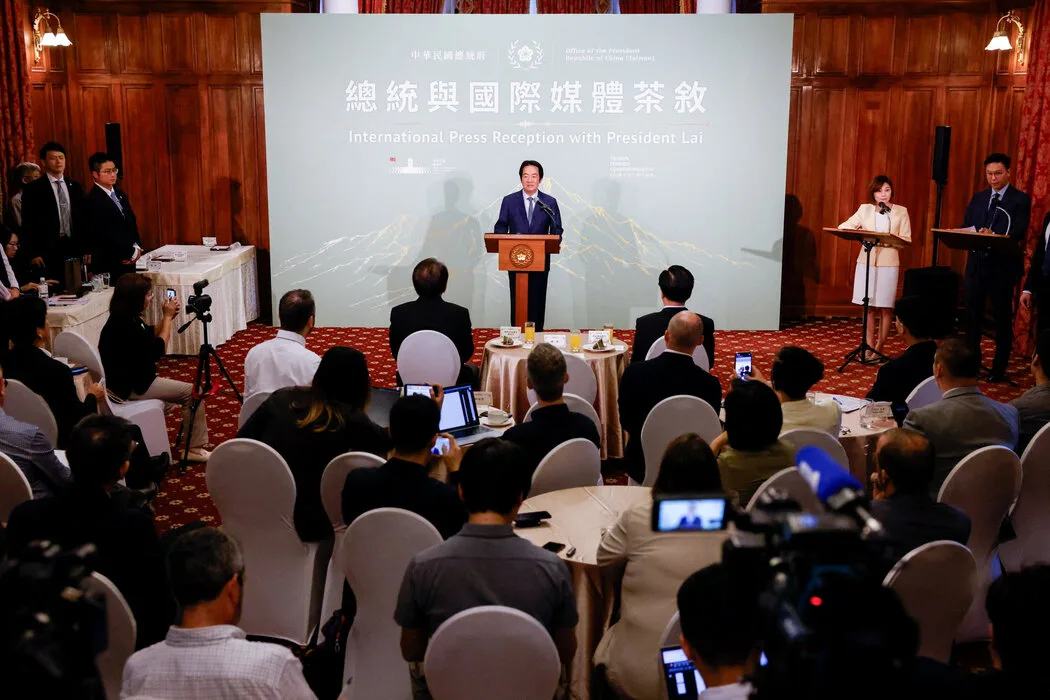
Taiwan President Lai Ching-te held an international media briefing in Taipei on June 18, reiterating Taiwan’s firm stance on defending its security and rejecting Chinese rule [1, 2, 3, 4]. He stressed that Taiwan’s 23 million people alone determine its fate, saying, "Republic of China and People's Republic of China are mutually non-subordinate, and Taiwan is not part of the PRC" [1, 2, 3]. Lai emphasized that Taiwan’s efforts to maintain security and democratic freedoms should not be seen as provocation or troublemaking toward China [5].
Lai also urged China to halt military expansion in the South China Sea, East China Sea, and Taiwan Strait and to renounce any use of force against Taiwan [1, 3, 4]. At the briefing, he called for fast approval of the pending $14 billion US arms sale to Taiwan. "We hope the arms sale can be approved soon," he said [1, 6, 7, 5, 8, 4, 9, 10]. Lai added Taiwan is strengthening its own defense capabilities and expects cooperation with the US to maintain peace and stability in the Taiwan Strait [1, 11, 12, 9, 10].
The proposed arms sale has been under US government review and remains pending approval as of mid-June 2026 [6, 7, 12, 5, 9, 10]. US officials including Senator Marco Rubio affirmed that US policy on Taiwan’s security commitment has not changed, with reviews ongoing [6, 12, 5, 9]. Lai said, "I can confirm that the US security commitment to Taiwan has not changed," underscoring shared goals to enhance Taiwan's self-defense [6].
Taiwan’s legislature approved a defense budget of NT$780 billion (about SGD 31 billion), down from the NT$1.25 trillion originally proposed by Lai’s government due to opposition resistance [1]. The opposition Kuomintang (KMT) chairwoman Zheng Liwen offered differing views on Taiwan’s approach to US-China relations and regional security [2]. To address budget shortfalls, Taiwan’s Executive Yuan approved a special NT$210 billion procurement plan focused on autonomous unmanned vehicles [5, 4, 9, 10].
Taiwan’s de facto Washington representative Yu Ta-wei stressed the need for greater defense spending and self-reliance. "We need these weapons to defend ourselves," he said, emphasizing survival in a crisis requires stronger self-defense capabilities beyond reliance on US intervention [12].
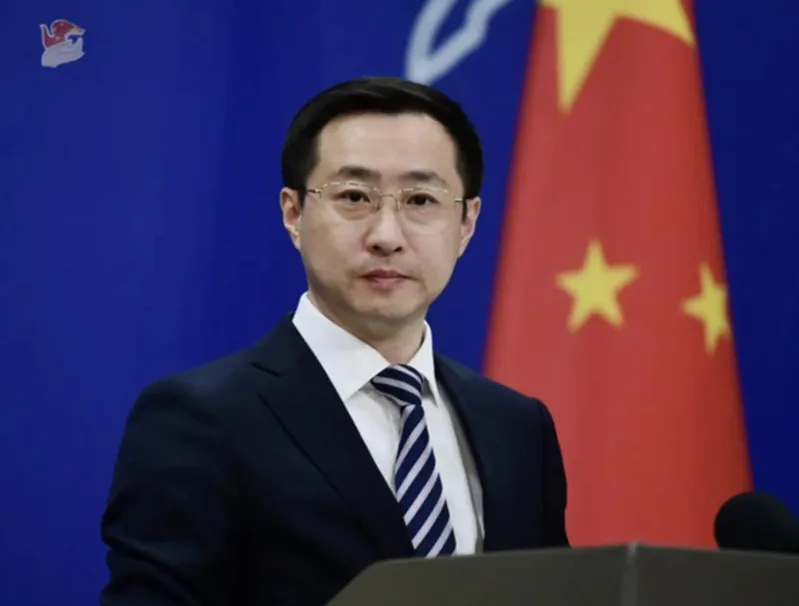
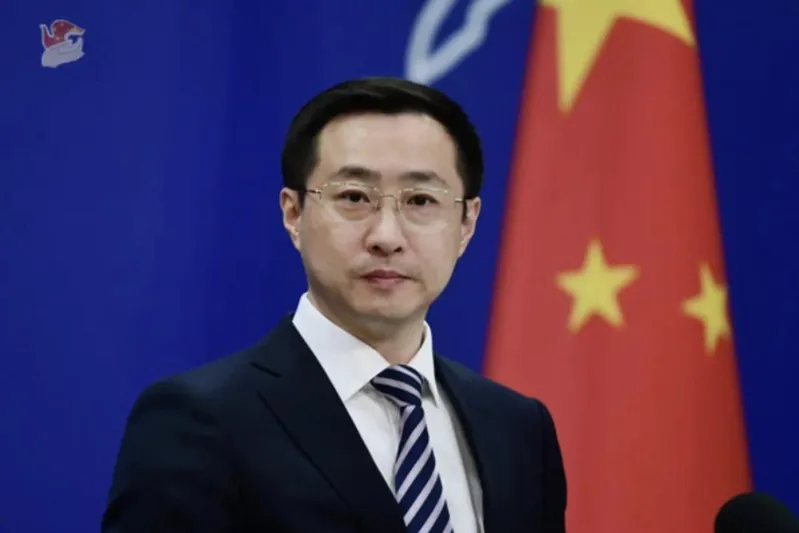
China’s Foreign Ministry strongly opposed the US arms sales to Taiwan, restating the Taiwan issue as a core internal matter and asserting that eventual reunification with Taiwan is inevitable. A spokesperson said, "The DPP authorities and Lai Ching-te’s actions cannot change the fundamental nature of Taiwan as China’s internal affair nor disrupt the international stable one-China framework" [7].
Taiwan and US officials continue to await US government decisions on the arms package. Meanwhile, Taiwan is enhancing defense funding and procurement to strengthen its military readiness.
On June 17, Taiwan’s Washington representative Yu Ta-wei highlighted the urgency of boosting Taiwan’s self-defense capabilities ahead of the briefing the next day in Taipei [12]. The next major step will be the US government's final decision on the arms sale, expected soon amid tense regional dynamics.