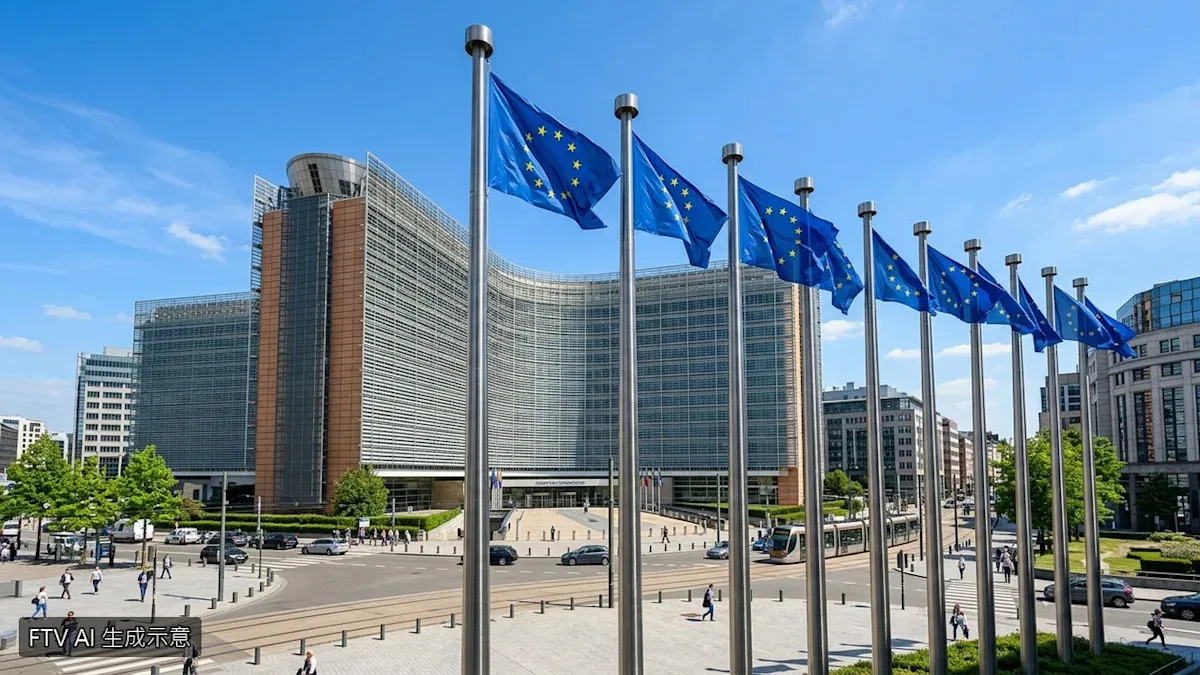
A Taliban delegation led by Foreign Ministry spokesperson Abdul Qahar Balkhi held talks with European Union officials in Brussels on June 23, marking the first-ever meeting between Taliban representatives and the EU in Brussels since the Taliban's return to power in 2021 [1, 2, 3, 4, 5, 6].
The delegation of five Taliban officials, including members from the Foreign and Interior Ministries, focused on facilitating the deportation of Afghan nationals from the EU whose asylum claims were rejected or who pose security risks or have committed crimes [1, 2, 5, 6]. The talks also included plans to resume consular services for Afghans in Europe and efforts to build trust between the EU and Taliban authorities [1, 3, 4, 5, 6].
Fifteen EU member states participated alongside European Commission representatives in the meetings [1, 6]. Belgium granted single-day limited visas to the Taliban delegates, restricting their travel within the Schengen zone [2, 3, 6].
The EU and its 27 members do not formally recognize the Taliban government, describing the talks as technical and necessary for migration management rather than diplomatic recognition [1, 2, 4, 5, 6]. Belgian Foreign Minister Maxime Prevot stated, "Making a meeting possible in the framework of our host-state policy does not amount to recognition, does not amount to legitimacy, and does not constitute an invitation by the Belgian government" [2].
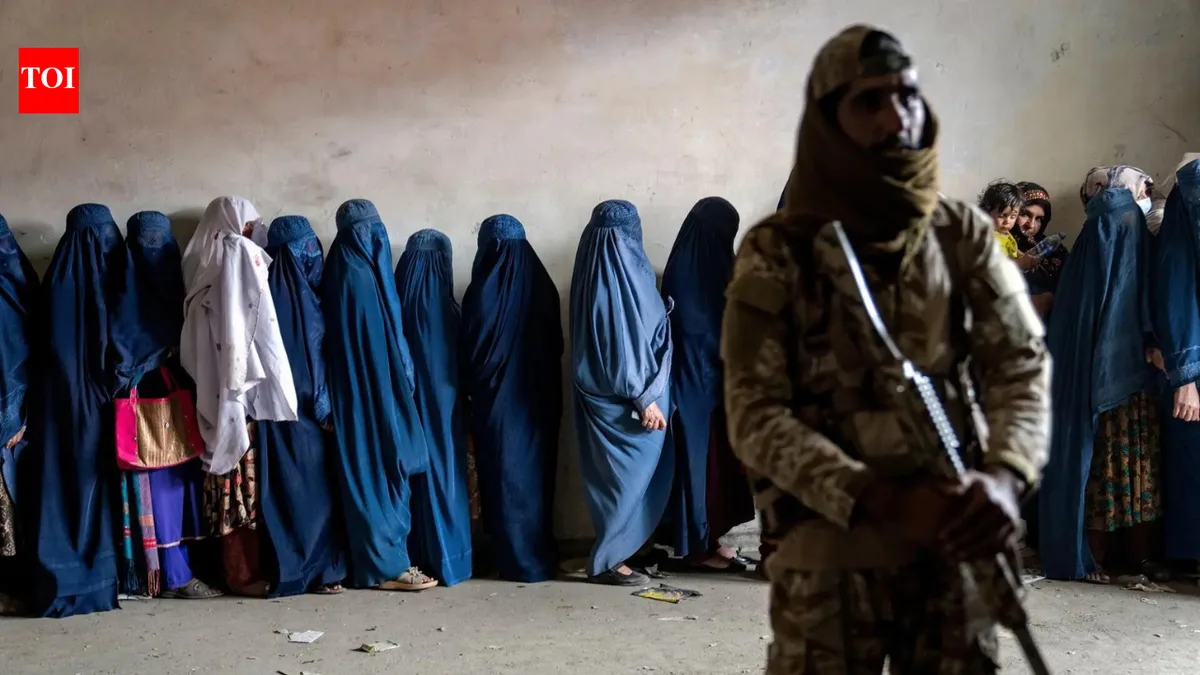
Afghans are among the largest groups seeking asylum in the EU, with about one million applications from 2013 to 2024, roughly half approved [5]. Nearly 20 EU countries have expressed interest in increasing deportations of unsuccessful Afghan asylum seekers [2, 5, 6]. European Commission spokesperson Markus Lammert said, "These member states’ core concerns are returning persons who have committed serious crimes or who are possibly a security threat" [5].
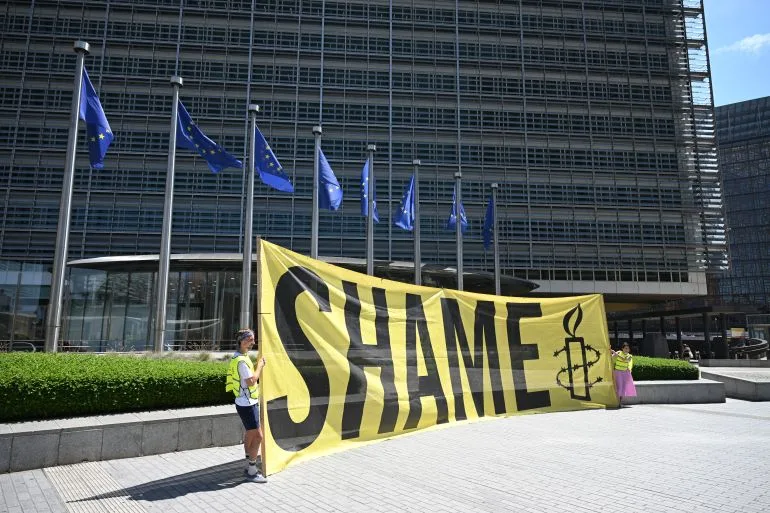
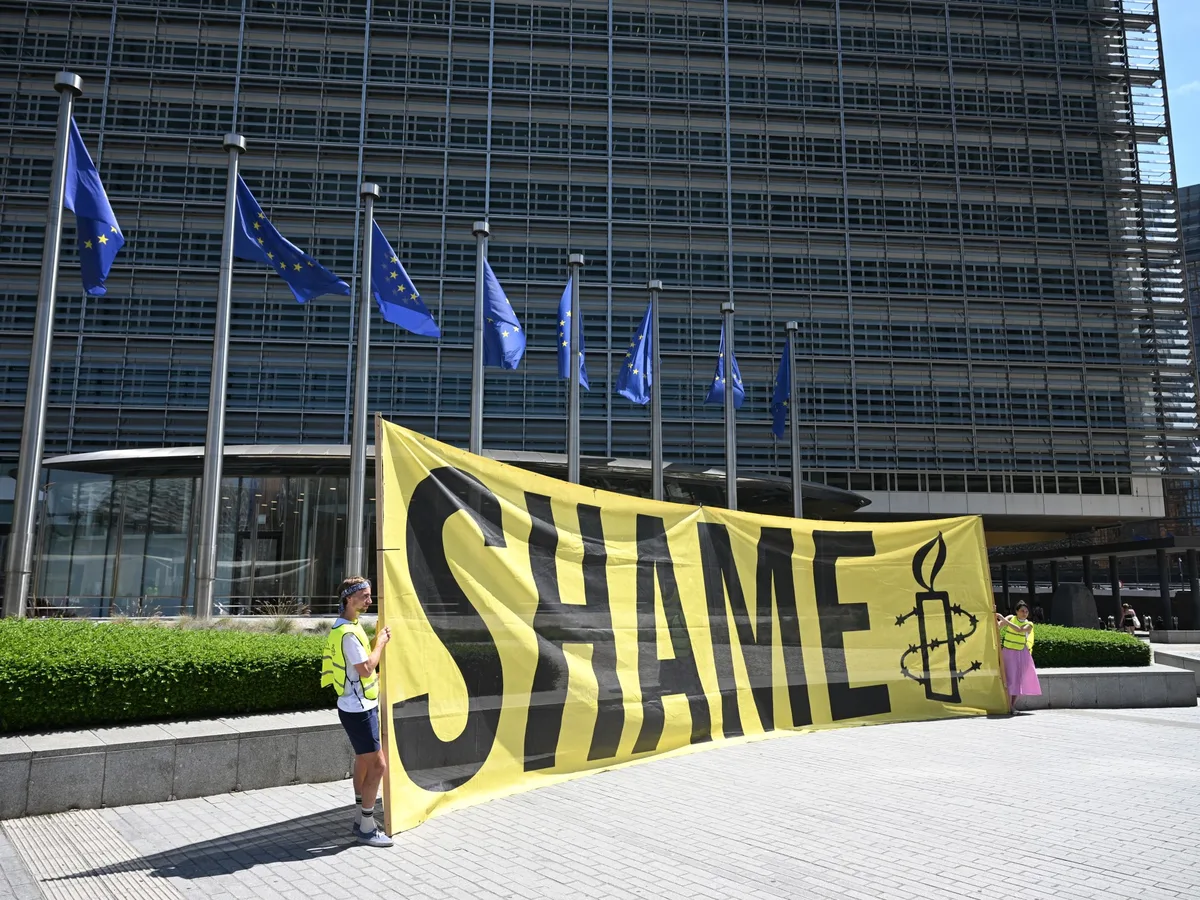
Human rights groups and activists condemned the talks, warning they legitimize the Taliban and endanger deportees [1, 5, 6]. Nobel Peace Prize laureate Malala Yousafzai criticized the EU, saying, "Europe must not legitimize a regime that creates one of the world’s worst human rights crises" [5, 6].
Abdul Qahar Balkhi expressed hope the visit would "open new avenues for positive engagement, strengthen efforts for addressing the issues faced by Afghans living abroad, and further expand cooperation based on mutual respect and shared interests" [3].
Earlier in January 2026, EU officials held previous migration-related talks with Taliban representatives in Kabul [1, 2]. This Brussels meeting marks the first engagement on EU soil. The agencies involved are expected to continue working on technical arrangements for deportations and consular services following the talks [1, 2, 3, 4, 5, 6].