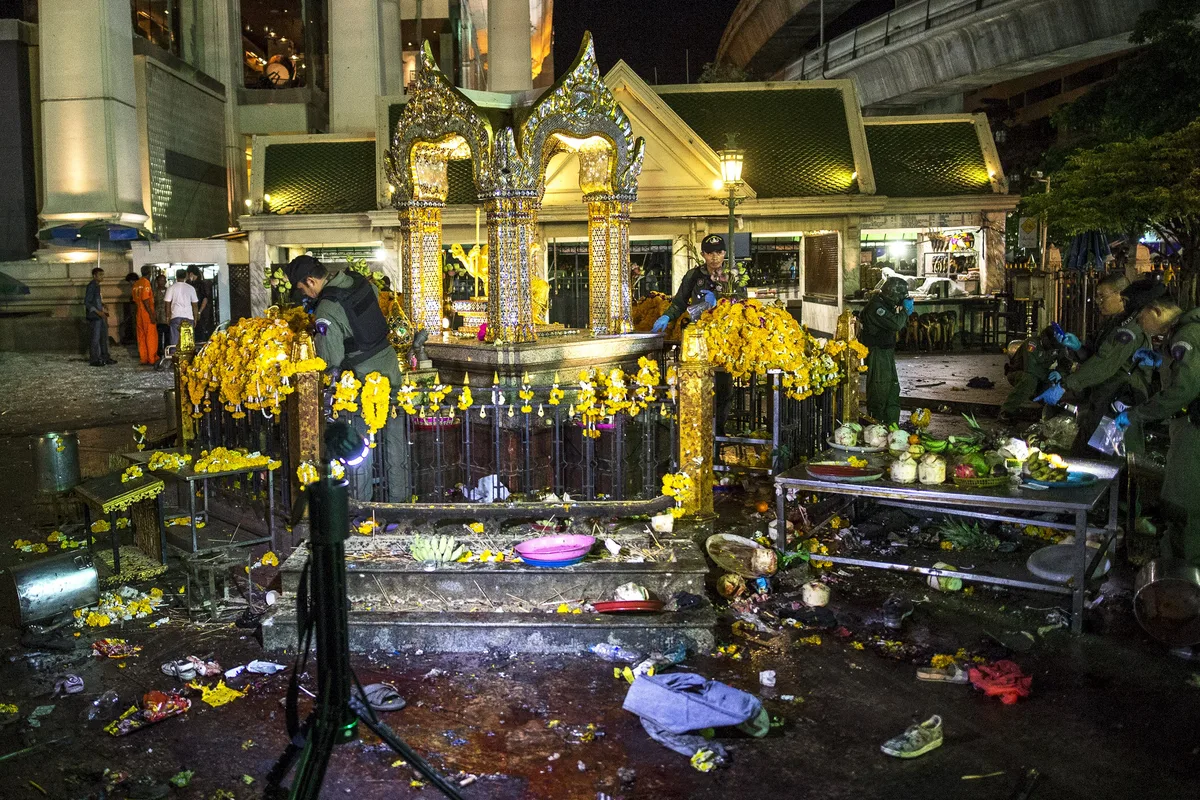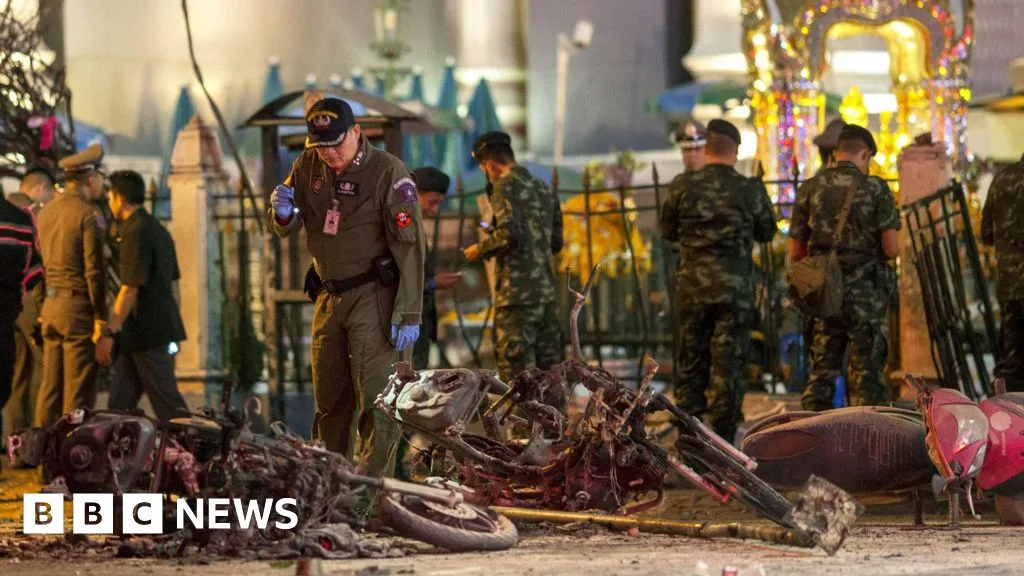
A Thai court convicted Bilal Mohammed and Yusufu Mieraili, two Uyghur men from China’s Xinjiang region, and sentenced them to death on June 11, 2026, for a bombing at the Erawan Shrine in central Bangkok on August 17, 2015 [1, 2, 3, 4, 5, 6, 7, 8, 9, 10, 11, 12]. The blast killed 20 people and wounded more than 100, including Chinese tourists and visitors from Malaysia, Singapore, and Hong Kong [1, 2, 3, 4, 5, 6, 7, 8, 10, 11, 12].
The court found the defendants guilty of premeditated murder and attempted murder related to the explosion. A member of the four-judge panel said, “The defendants committed a single act that violated multiple laws. The court therefore imposed the harshest penalty available under the law, the death sentence.” [2]
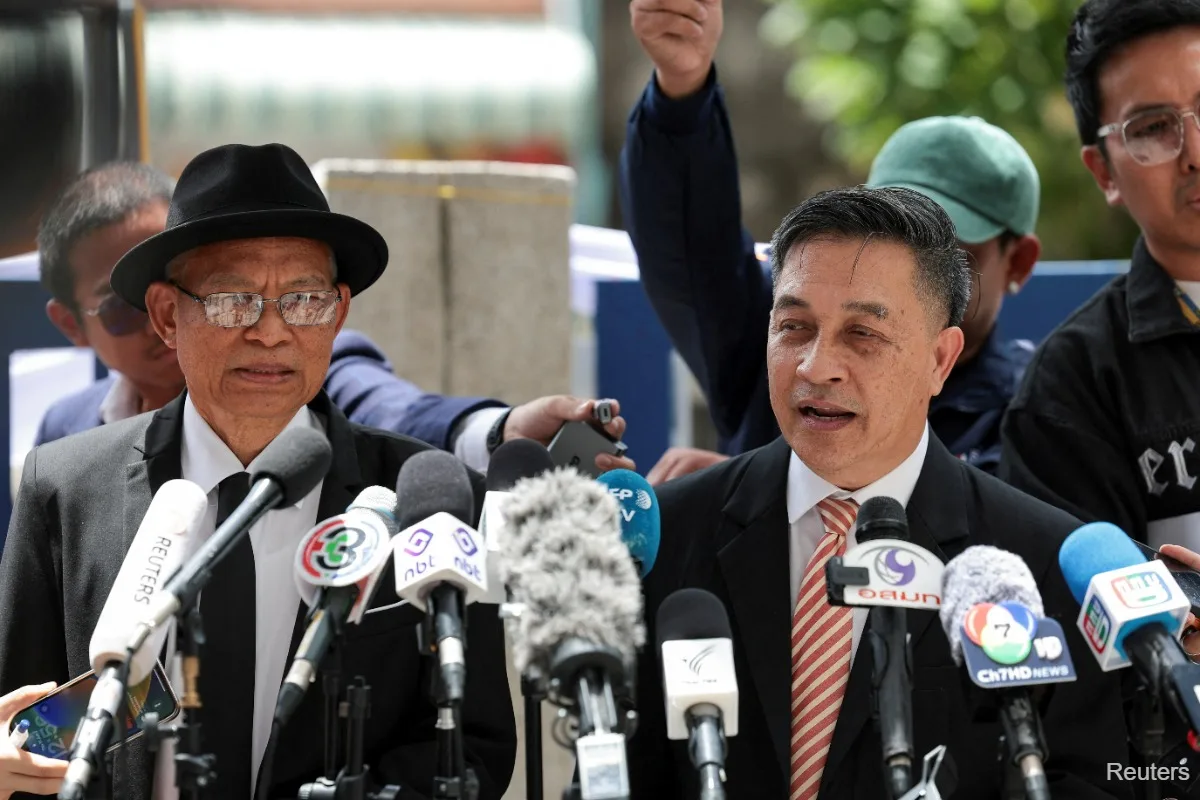
The trial lasted more than 10 years and faced multiple delays. Proceedings were hindered by the Covid-19 pandemic and difficulties in securing interpreters [3, 5, 6, 7, 8, 10, 11, 12]. Bilal Mohammed and Yusufu Mieraili denied all charges and said they would appeal the sentences within one month under Thai law. Yusufu Mieraili declared, “Thailand’s justice is dead. I did nothing wrong.” [3, 5, 8, 10, 11, 12]
Investigators and experts have offered differing views on the bombing's motive. Thai officials initially rejected terrorism claims, instead alleging human trafficking groups or political opponents could be involved [1, 6]. Some security experts suspect the attack was retaliation for Thailand’s forced deportation of over 100 Uyghurs to China weeks earlier [3, 5, 6, 8, 12]. The rapid cleanup of the bombing site and failure of nearby security cameras also drew criticism of the police investigation’s integrity [1, 6].
The Chinese government expressed support for the verdict, condemning the perpetrators as “utterly inhuman” and criminals deserving severe punishment. Chinese foreign ministry spokesperson Lin Jian said, “The perpetrators acted with utter inhumanity and committed a heinous crime.” [4, 5, 6, 12]
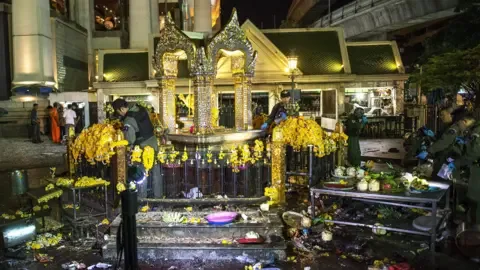
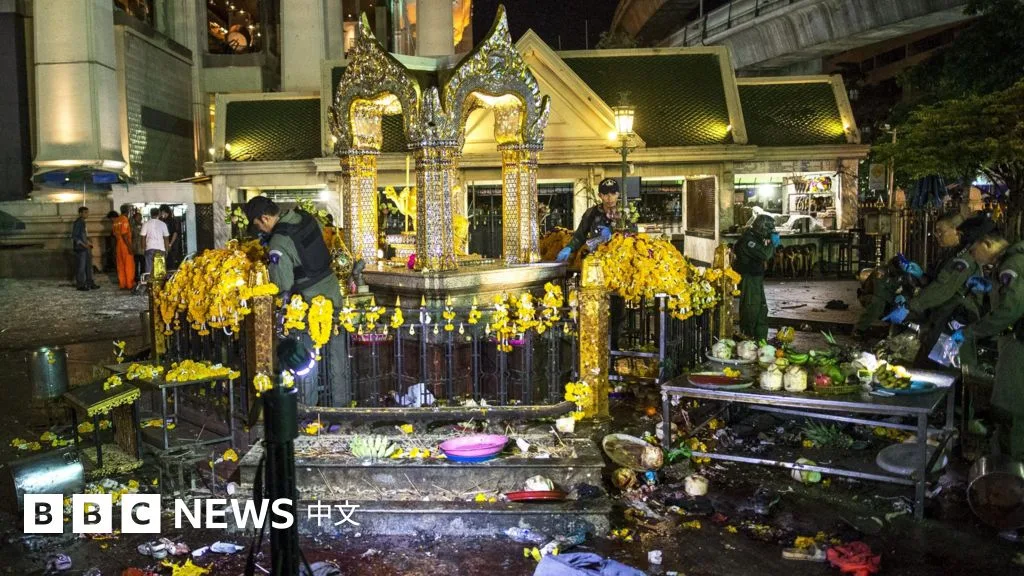
The bombing took place near the popular Erawan Shrine, a frequented tourist spot in central Bangkok, causing chaos and devastation at the time [1, 6, 8, 10, 11]. Thai authorities arrested Bilal and Yusufu within two weeks after the attack [1, 7, 6].
Under Thai criminal procedure, the defendants have up to one month to file appeals against their death sentences [3, 5, 8, 10, 11, 12]. Lawyer Chamroen Panompakakorn told them not to be afraid, noting “there are three other courts.” [5]