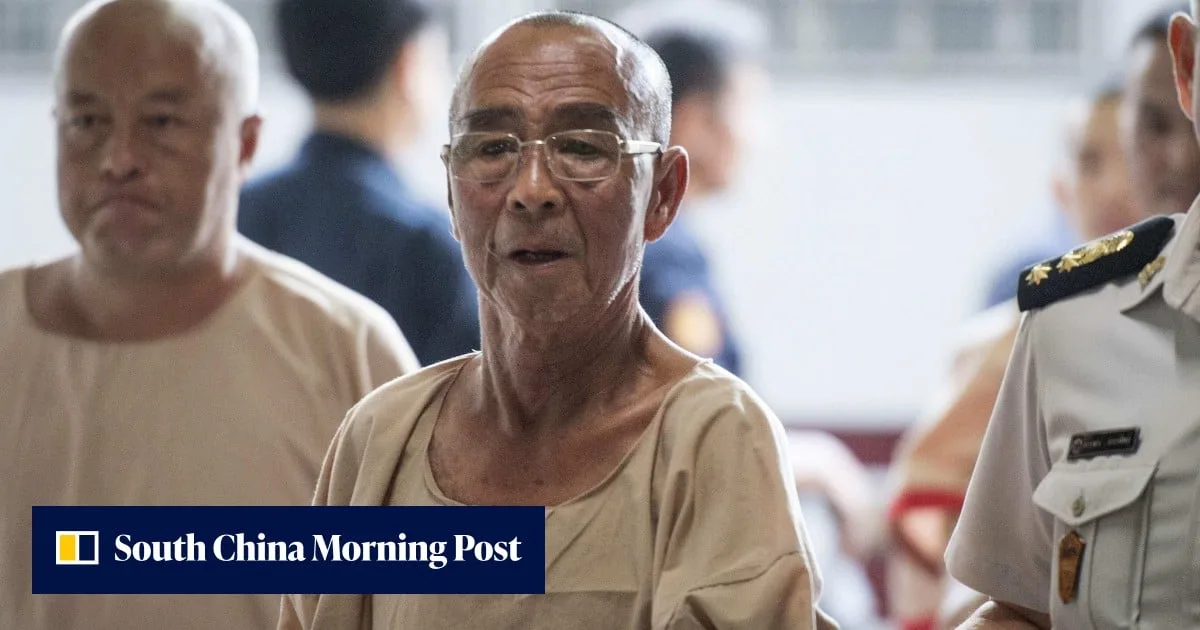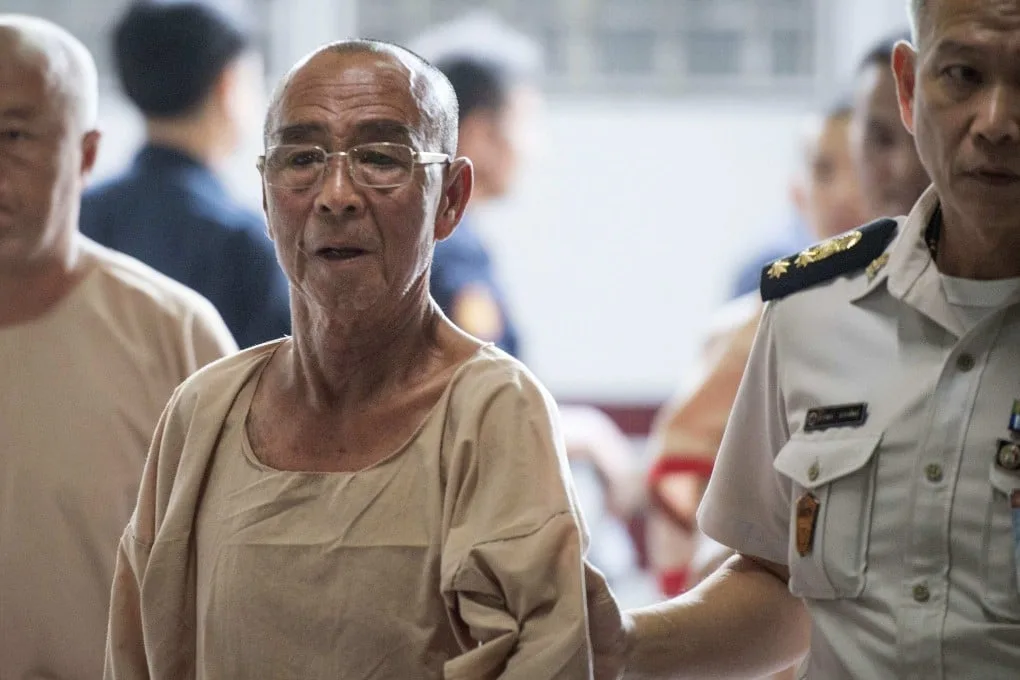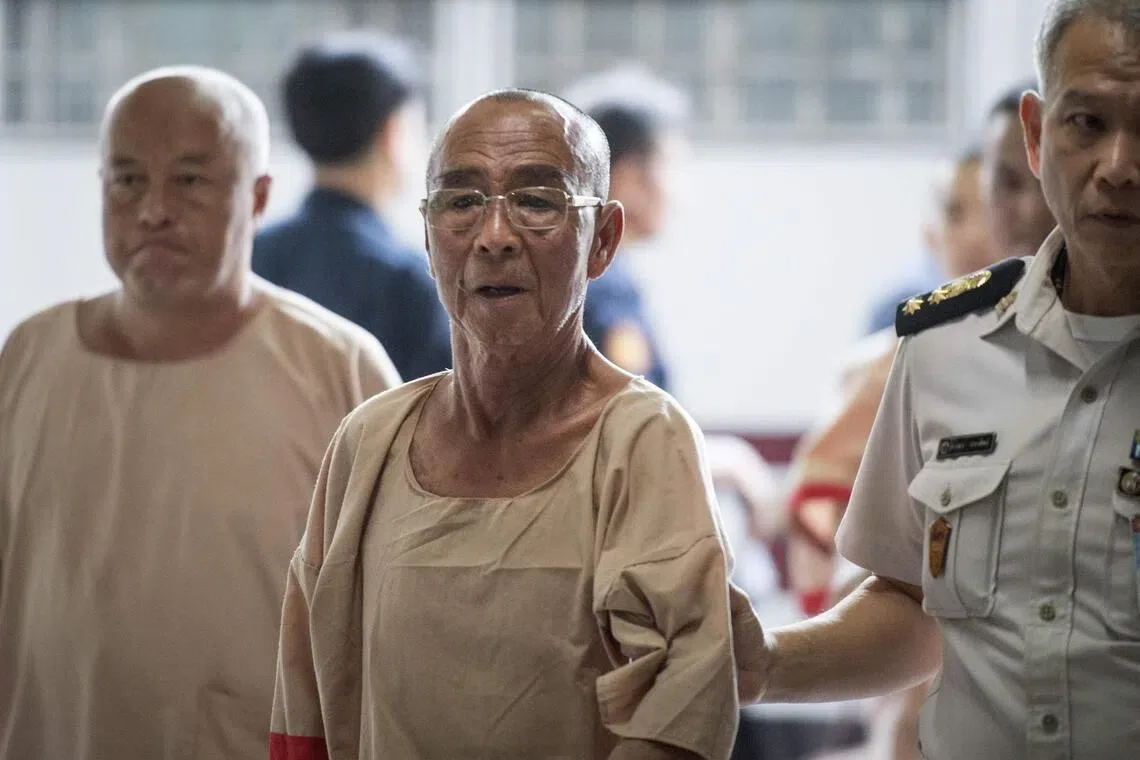
Laota Saenlee, an 85-year-old former guerrilla and convicted drug trafficker, was released from a maximum-security prison near Bangkok on August 14, 2026, after serving less than 10 years of a life sentence reduced by royal pardons [1, 2, 3].
Arrested in 2016 for dealing crystal methamphetamine in the Golden Triangle—the drug-producing border area between Thailand, Myanmar, and Laos—Laota's case drew attention due to his extensive criminal and military background [1, 2, 3]. He had ties to Myanmar drug lord Khun Sa and fought as a child soldier for China’s Kuomintang before joining Thailand’s fight against communist insurgents in the 1970s [1, 3].
Authorities justified Laota’s early release on grounds of his advanced age and good behavior in prison, despite his classified status as a major drug dealer [1, 2, 3]. The corrections department said local officials will monitor Laota after his release [1, 2, 3].
The Golden Triangle is a notorious hub moving tens of billions of dollars worth of heroin, methamphetamine, and ketamine yearly [1, 2, 3]. This context intensified public backlash when details of Laota’s pardon emerged.
Rewat Klinkesorn, former narcotics police chief who investigated Laota, condemned the release as premature. He said, "I was shocked that a major drugs dealer was released so early. The corrections department should improve their regulations. He should not be classified as a good inmate because he is a major drugs dealer" [1].
In response to the criticism, Justice Minister Rutthapon Naowarat pledged on August 18 to review the existing pardon criteria. He acknowledged, "The officials followed the (pardon) criteria, but there are some flaws in the criteria. A review is under way" [1, 3].
Laota was convicted and sentenced to life imprisonment in 2017, but royal pardons gradually reduced his sentence, leading to his release after serving less than a decade [1, 3]. The corrections department announced his release and rationale on August 17 [1, 3].
The Justice Ministry's review of pardon standards aims to address public concerns over leniency toward high-profile criminal offenders. Officials have not announced a timeline for completing the review [1, 3].