A Tibetan man named Lobga Rangzen set himself on fire near the United Nations headquarters in New York on July 2, 2026, and died from severe burns the same day, according to multiple reports [1, 2, 3, 4]. Rangzen’s act was a protest for Tibetan independence and unity, reportedly announced via a live appeal outside the UN [1, 2, 3, 4].
The self-immolation adds to a grim tally: since 2009, there have been 159 recorded cases of Tibetan self-immolation globally, with 11 occurring among Tibetan exiles abroad, according to the International Campaign for Tibet [2, 4].
On July 8, the US State Department issued a statement reaffirming its commitment to supporting Tibetan human rights and cultural preservation. The statement said, "The United States is committed to supporting the unalienable human rights and aspirations of Tibetans to celebrate and preserve their unique culture, language, and religion without fear of interference." It called on China to resume direct dialogue without preconditions with the Dalai Lama and democratically elected Tibetan leaders to achieve meaningful autonomy [1].
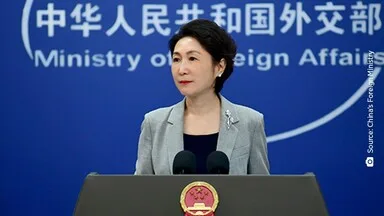
China responded on July 9 through Foreign Ministry spokeswoman Mao Ning, who emphasized that Tibet (Xizang) affairs are China's internal matters and rejected any US interference or calls for Tibetan independence. Mao urged the US to "abide by its commitment to recognizing Xizang as part of China and opposing 'Xizang independence,' and to stop meddling in China's internal affairs by exploiting Xizang-related issues" [5]. China reiterated that Tibet has been an inalienable part of its territory since ancient times and urged countries to handle the self-immolation case according to their domestic laws [1, 2, 3, 4].
The contrasting statements reflect the ongoing dispute over Tibet’s status. The US supports cultural preservation and dialogue toward autonomy, while China insists Tibet remains integral to its sovereignty and opposes foreign involvement [1, 2, 5, 3, 4].
The latest developments follow a pattern of Tibetan protests internationally and diplomatic tensions. The US statement signals continuous diplomatic pressure on China regarding Tibetan rights. China’s firm rejection underlines its continued opposition to external criticisms.
Officials have not announced further diplomatic talks or visits related to Tibet following these events as of early August 2026.