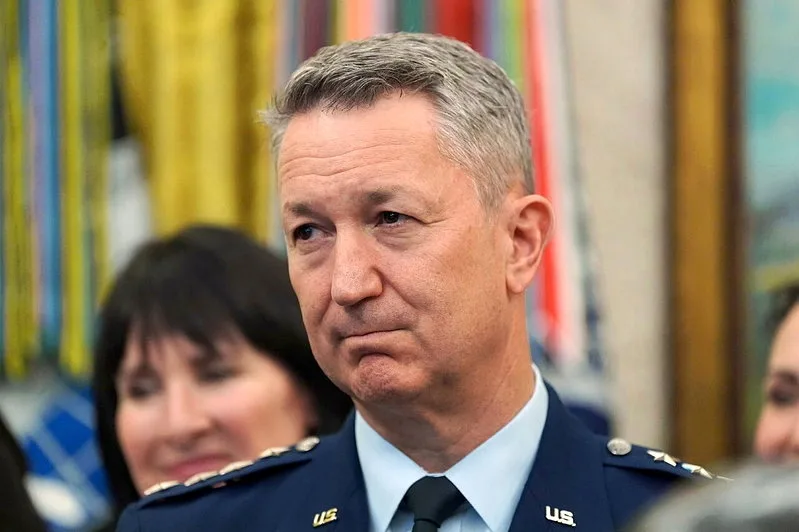
US Chairman of the Joint Chiefs of Staff Gen. Dan Caine has privately urged senior Trump administration officials to find a way to de-escalate the ongoing conflict with Iran, cautioning that current military options could backfire and airstrikes alone may not meet presidential goals. Caine told aides, "If President Trump wants to escalate, we absolutely can inflict heavy damage on them, but airpower alone is limited and may not achieve the president's public objectives" [1].
Since late July, Caine has held private discussions with key figures including CIA Director John Ratcliffe, Secretary of State Marco Rubio, Vice President JD Vance, and Trump-aligned advisors to coordinate messaging ahead of presidential meetings and stress the risks of escalation [2, 3, 4, 5, 6, 1]. He warned of possible Iranian retaliation and broader regional instability if Washington pursues ground troop deployment or expanded strikes, concerns shared by many officials except parts of CENTCOM and Israeli counterparts [2, 3, 4, 5, 6, 1].
Trump has resisted deploying US ground forces, favoring airstrikes, but military insiders doubt this approach alone will secure decisive results [2, 3, 4, 5, 6, 1]. Analysts point out that a clear military victory would likely require a large-scale invasion carrying heavy American casualties—plans exist but face no current support at the Pentagon [2, 3, 4, 5, 6, 1]. The US is instead exploring exit routes that could yield symbolic political success for Trump while preserving diplomacy options, with reopening the strategically vital Strait of Hormuz a tentative first step [2, 3, 4, 5, 6, 1].
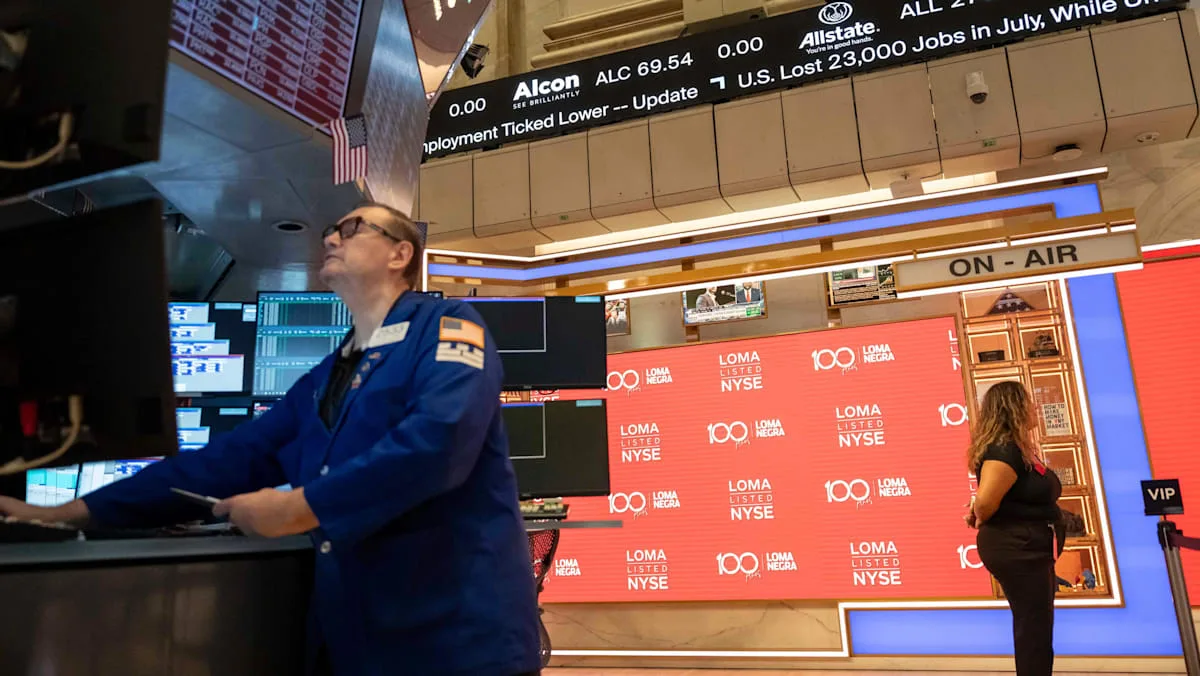
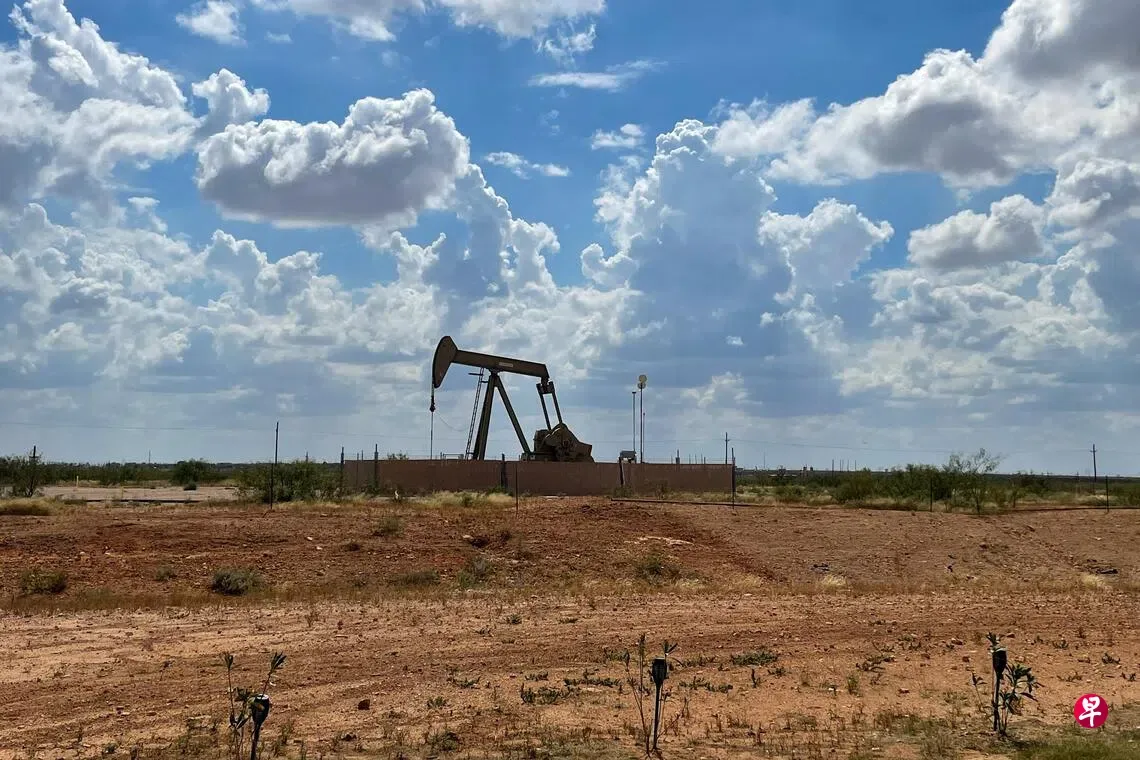
The ongoing tensions have affected US financial markets. On August 10, the S&P 500 closed at 7,753.12, the Nasdaq at 26,605.36, and the Dow Jones at 53,976.04, all down amid fading optimism over reopening the Strait of Hormuz and declines in chip stocks [7]. Oil prices surged, with Brent crude rising above $84 per barrel that day and reaching nearly $89 per barrel on August 11, driven by Middle East risks and Strait of Hormuz uncertainty [8, 9, 10]. Bloomberg analyst Mark Cranfield noted traders remain skeptical about the oil rally's sustainability [8].
Political pressure on Trump is increasing as the Middle East conflict strains US military resources and threatens his standing before November's midterms. Experts say Trump is “evidently trying to cool tensions” but is facing harsh realities in the region [11]. US influence in the Middle East has declined, with countries like Turkey, Saudi Arabia, and Pakistan signing new defense deals reflecting diminished confidence in American power [11, 12].
The latest public report on August 8 summarized Caine's warnings and the administration's efforts to find a political and diplomatic exit path while limiting military escalation [1]. The US faces continued challenges as markets remain volatile and political calculations intensify amid unsettled Iran-US relations.