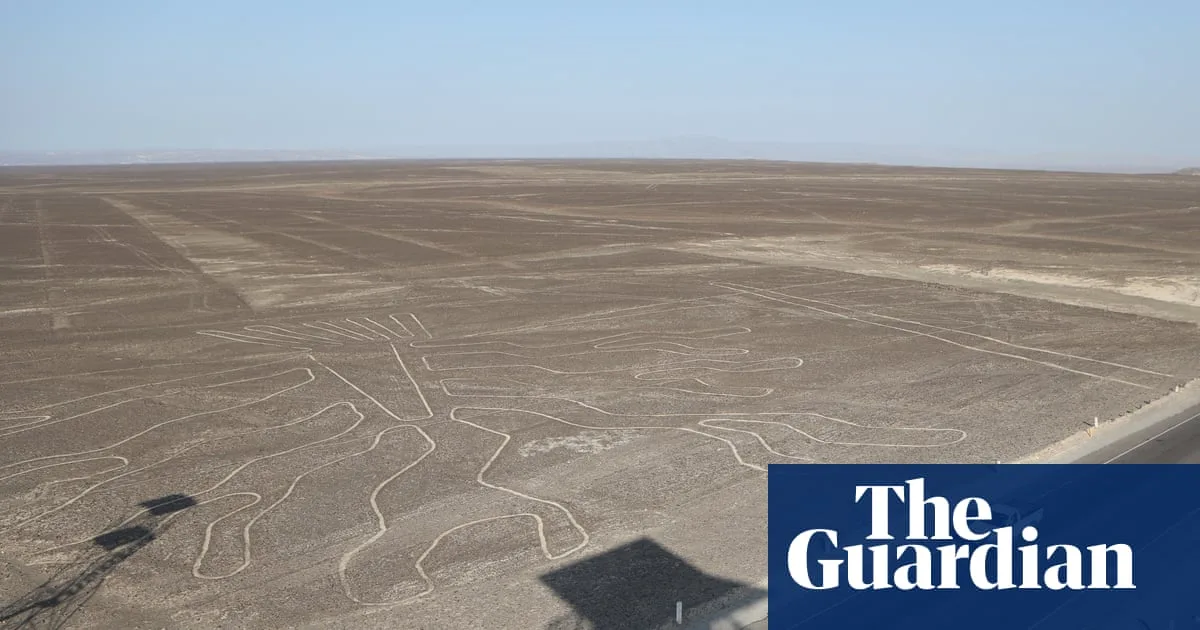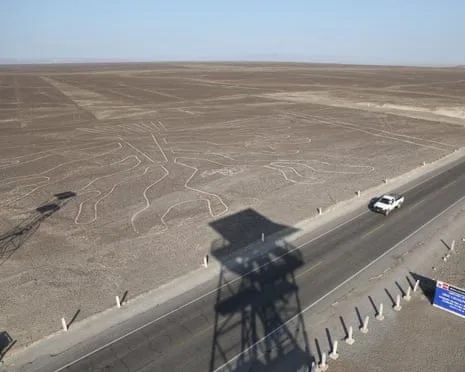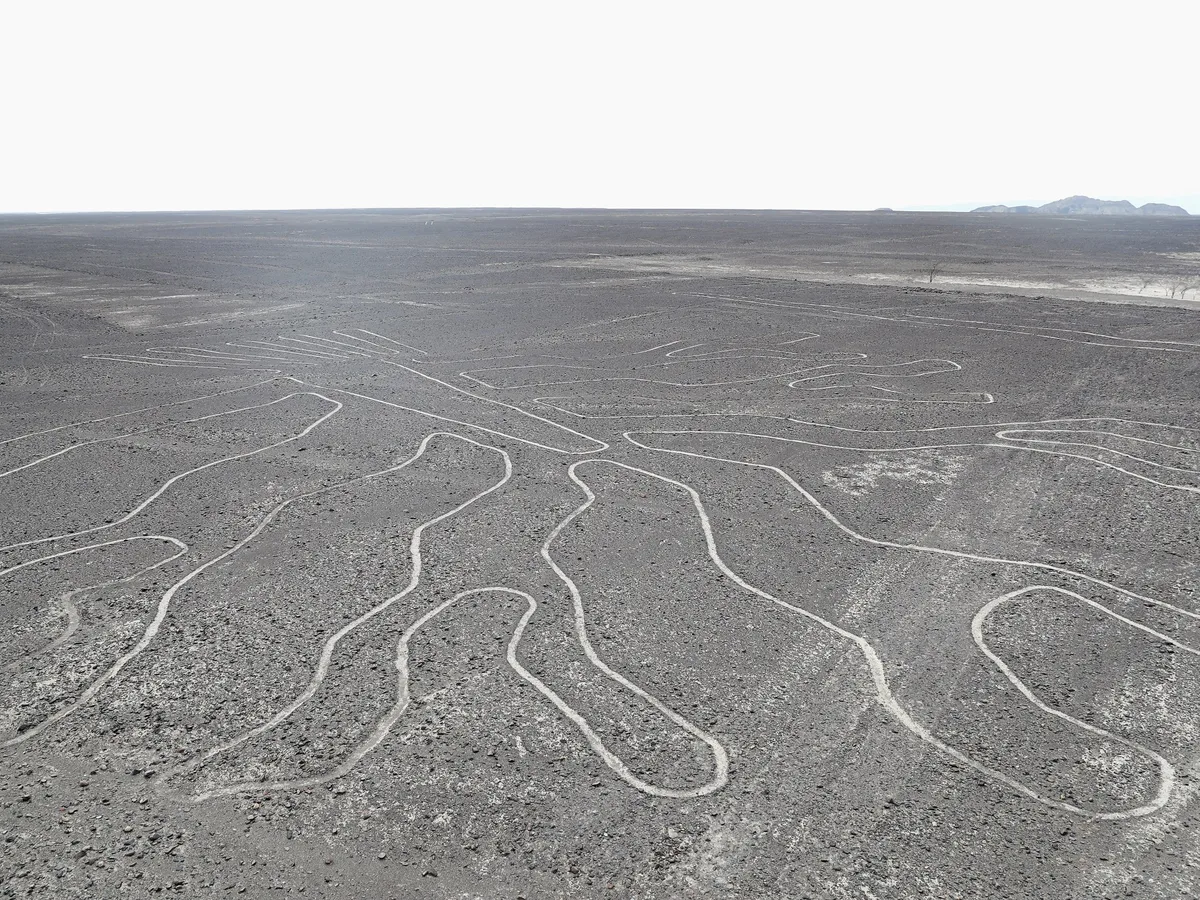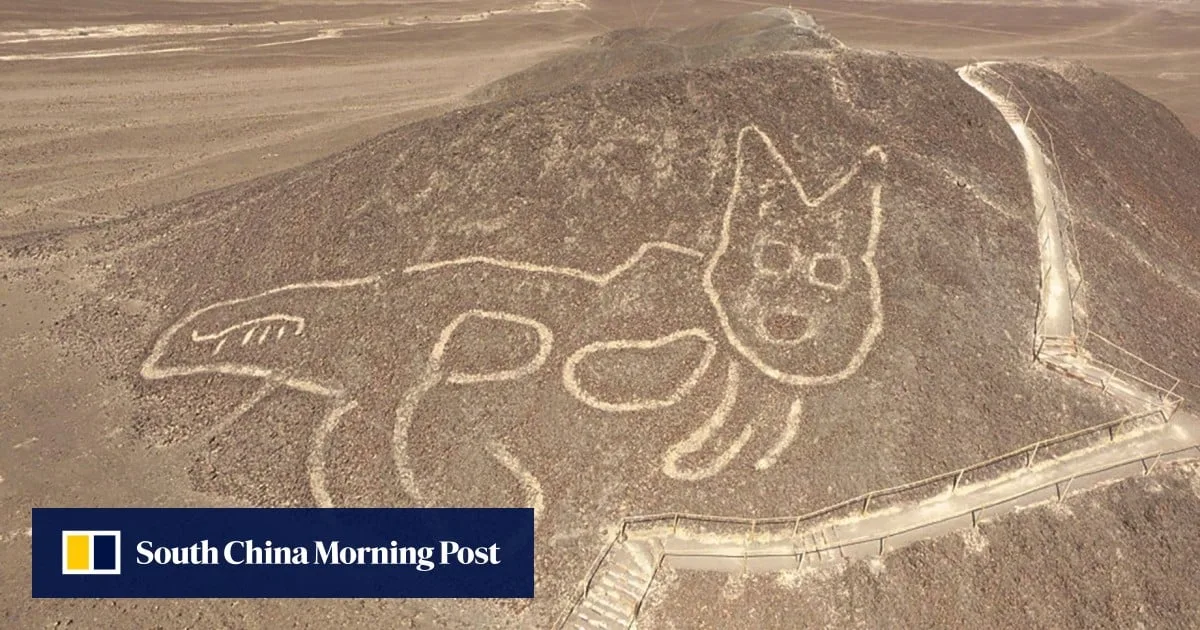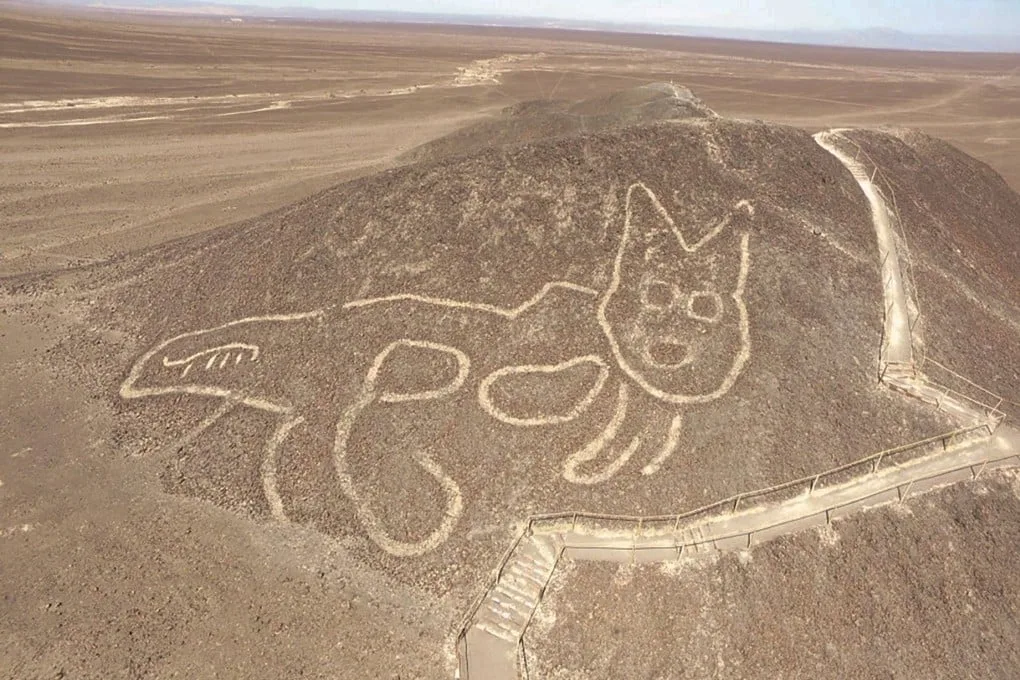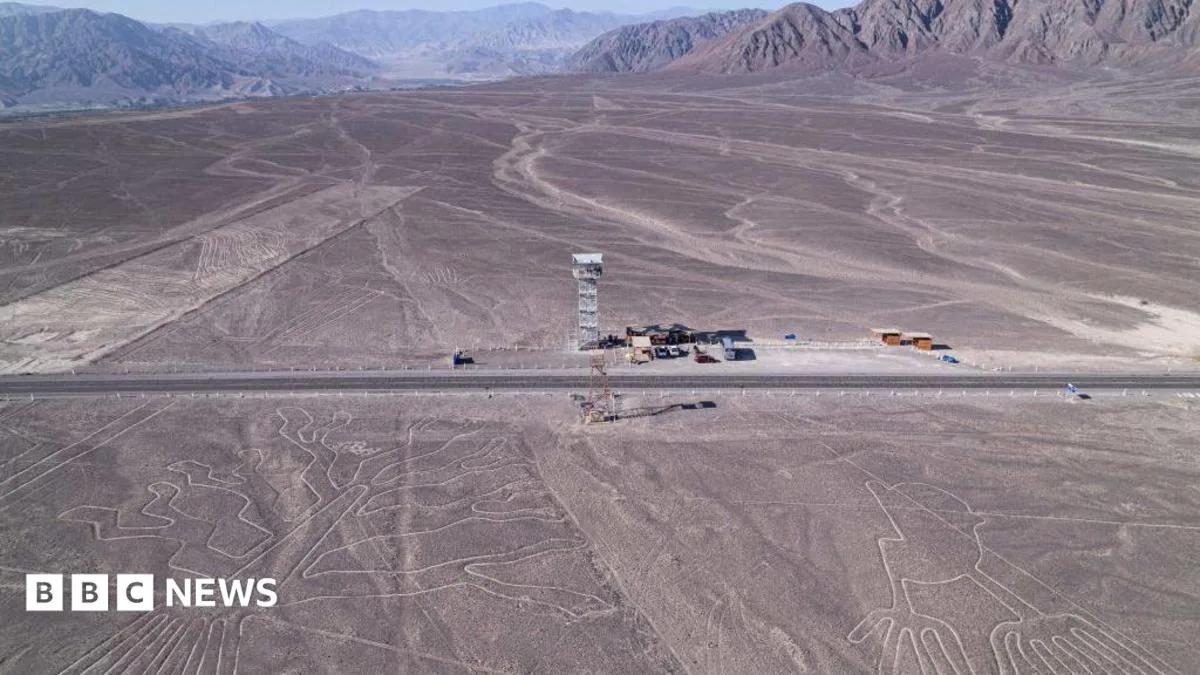
A small tourist plane crashed near the Nazca Lines in southern Peru on Saturday, August 1, shortly after 1 pm local time, killing all 13 people aboard, officials said [1, 2, 3]. The aircraft, operated by Peruvian sightseeing company Aerodiana, took off from Pisco airport, about 240 km south of Lima, for a flight over the famous UNESCO World Heritage site known for its large geoglyphs [1, 4, 3].
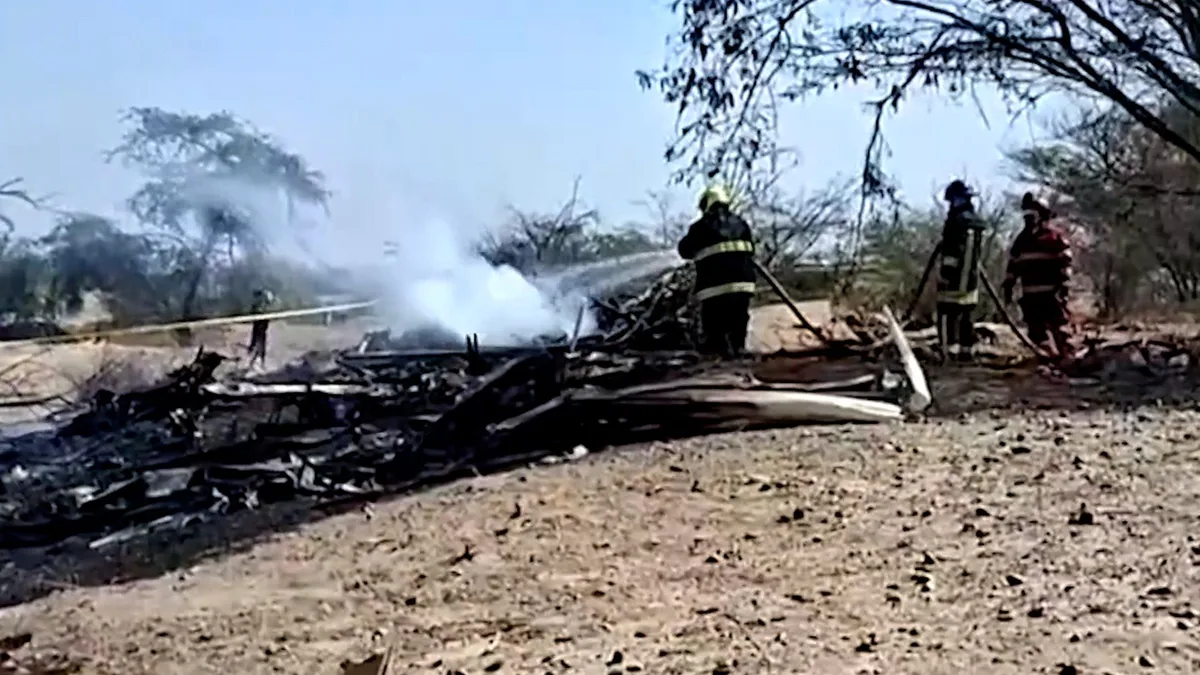
The plane carried 11 passengers, including at least seven Italians, two Germans, and two Spaniards, along with two crew members; all died in the crash [1, 5]. Police Major Jorge Andrade said, “We have information that 11 passengers and two crew members have died. Given the severity of the accident, there are no survivors. We have recovered four bodies so far” [1]. The crash site was engulfed in flames, with wreckage scattered and smouldering, making rescue and recovery efforts difficult [2, 3, 6].
Authorities confirmed the plane went down about 6 km from Nazca city and 12 km from the Nazca Lines site [7]. Preliminary official statements raised the possibility of an “in-flight emergency” causing the crash, although Peru’s civil aviation authority is leading a formal investigation to determine the cause [5, 1, 3]. Weather data from the day before showed strong winds exceeding 40 km/h that reduced visibility and prompted flight suspensions in the area [7].
This tragedy marks the latest of multiple fatal tourist plane crashes over the Nazca Lines, following similar accidents in 2010 and 2022 that also killed many on board [1, 5]. Rescue teams arrived shortly after the crash to begin body recovery and investigate the wreckage, with all 13 deaths confirmed that day [2, 3, 6].
The civil aviation authority’s investigation remains ongoing, with no definitive cause announced so far [1, 4].