Tropical Storm Cristina approached Central America with sustained winds estimated between 40 and 65 km/h, bringing heavy rain and the threat of flooding to El Salvador, Guatemala, Nicaragua, and Honduras [1, 2, 3]. The National Hurricane Center warned that rainfall could reach up to 300 mm (12 inches) in coastal areas, raising risks of life-threatening floods and mudslides, especially in mountainous regions [1, 2].
El Salvador took precautionary measures by closing schools and universities on June 9 and 10, with reports suggesting closures could extend into June 11 [1, 2, 3]. Authorities ordered fishermen in La Libertad not to go out to sea and shut down coastal shops and seafood markets. The country set up 180 shelters nationwide to prepare for heavy rains expected over three days. Luis Alonso Amaya, El Salvador’s civil protection director, said, "180 shelters have been set up across the country in anticipation of heavy rainfall over the next three days" [1].
In Nicaragua, Vice President Rosario Murillo urged residents to stay away from the coast as heavy rains intensified since Sunday, June 7 [1, 2]. Honduras issued alerts for nine regions ahead of the storm’s arrival [1, 2].
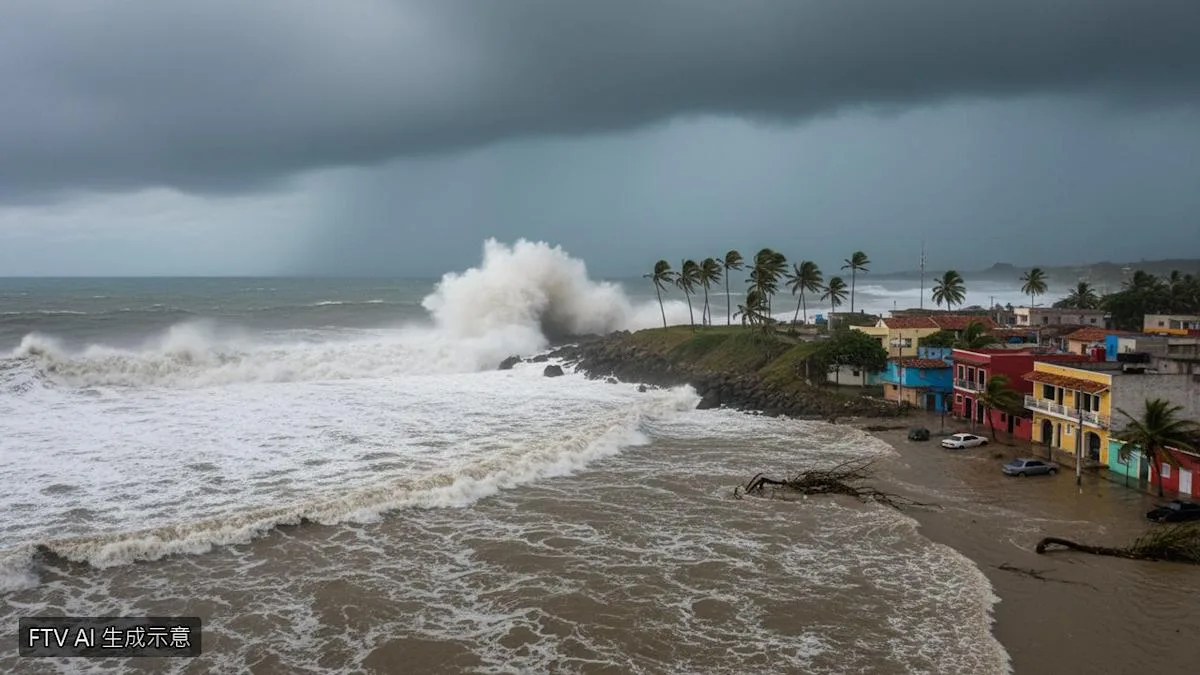
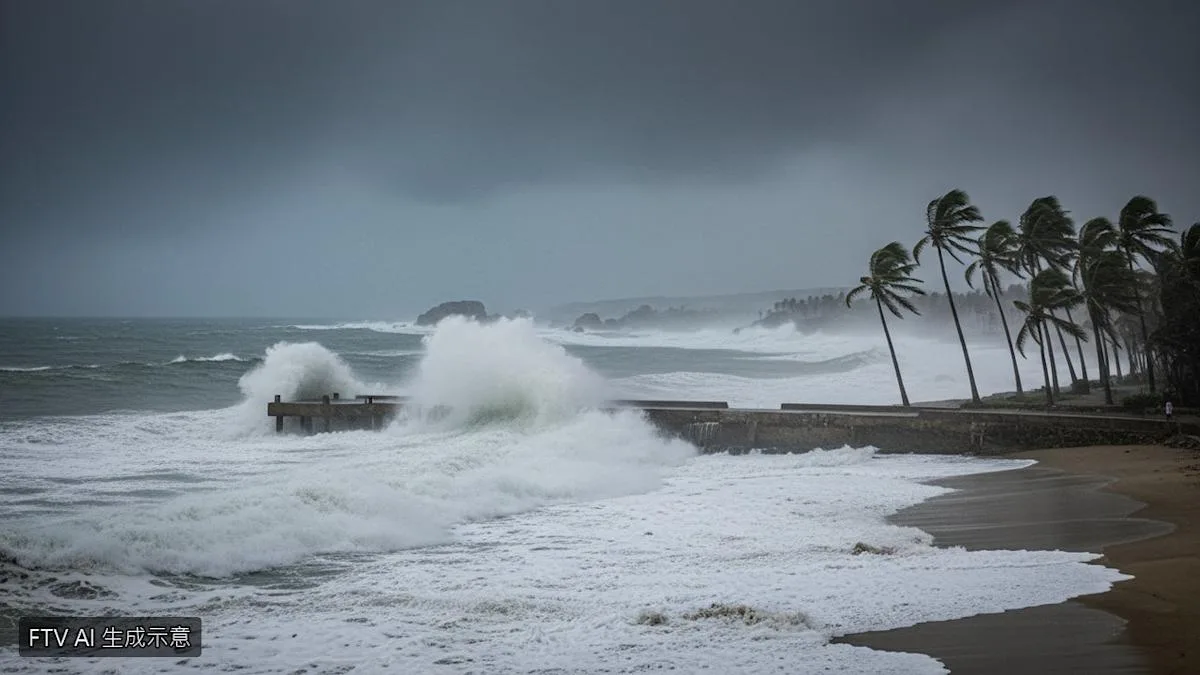
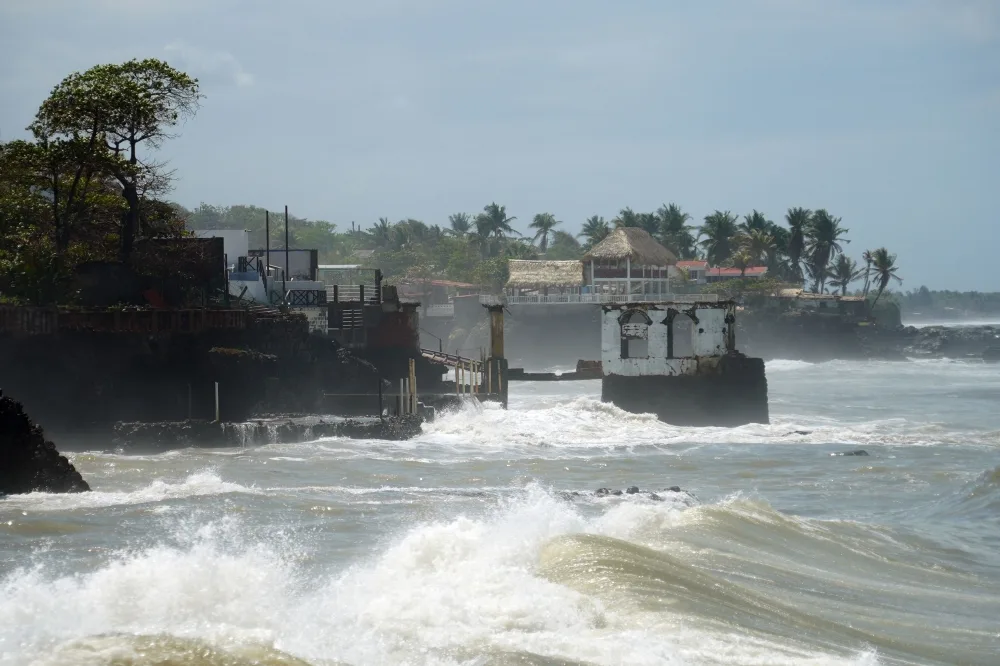
Guatemala reported the first confirmed death linked to Cristina: a child killed by landslide flooding in Nahuala [3]. Coastal areas in El Salvador and Guatemala experienced strong waves, flooding, and damage to homes and shops [3].
Cristina weakened from a tropical storm to a tropical depression by Wednesday night, June 9, with sustained winds near 55 km/h. It was expected to make landfall late Wednesday and dissipate over Guatemala by Thursday, June 11 [3].
Officials forecast 10 to 20 cm (up to 30 cm in some coastal zones) of rain across Nicaragua, Honduras, El Salvador, and Guatemala through Thursday morning [1, 2]. The National Hurricane Center cautioned, "This rainfall may produce life-threatening flooding and mudslides, especially in areas of steep terrain. Coastal flooding from storm surge is possible in areas of onshore winds" [1].
El Salvador’s school closures, initially planned for June 9 and 10, were extended to possibly include June 11 in response to ongoing flooding risks [1, 2, 3].
Cristina continued to move inland, and authorities remain on alert as the storm is expected to fully dissipate over Guatemala on Thursday, June 11 [3].