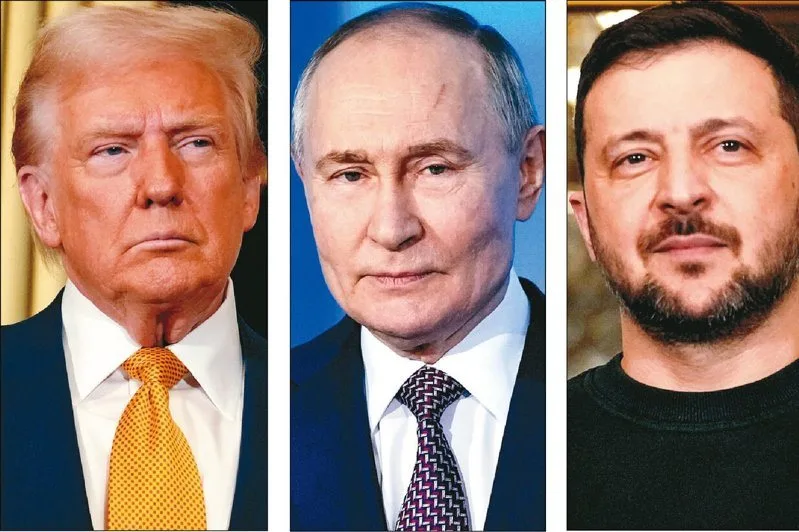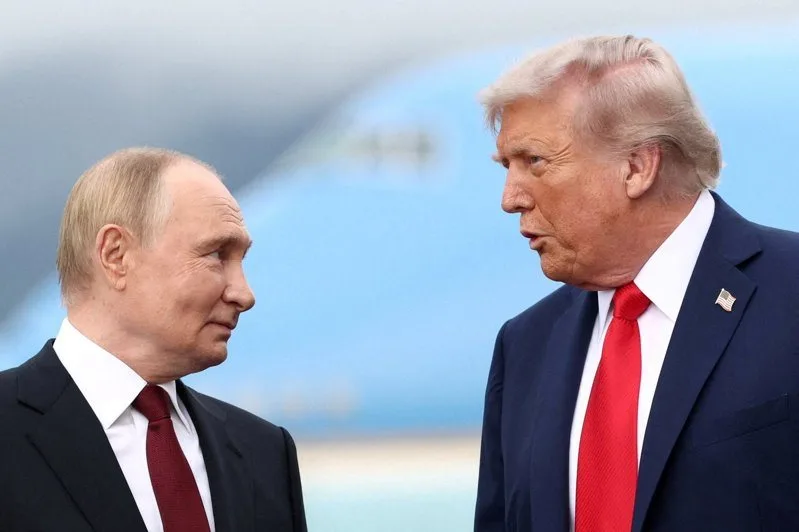
On July 4, US President Donald Trump and Russian President Vladimir Putin held a nearly 90-minute phone call to discuss the ongoing Ukraine conflict and the situation in Iran [1, 2, 3, 4, 5]. During the call, Trump expressed willingness to help find a solution to quickly end the Ukraine war, reaffirming his commitment to political and diplomatic efforts that consider Russia’s core positions, according to Kremlin advisor Yuri Ushakov, who said, "The two presidents naturally touched on the issue of Ukraine reconciliation, and Trump reiterated his willingness to help quickly end hostilities and seek solutions to overcome the crisis" [1, 2, 3, 4].
Putin updated Trump on the battlefield situation, describing ongoing Russian offensives as well as fuel shortages caused by frequent Ukrainian drone attacks [1, 2, 3, 4, 5]. Both leaders emphasized continuing communication on military, political, and economic issues [1, 2, 3, 4].
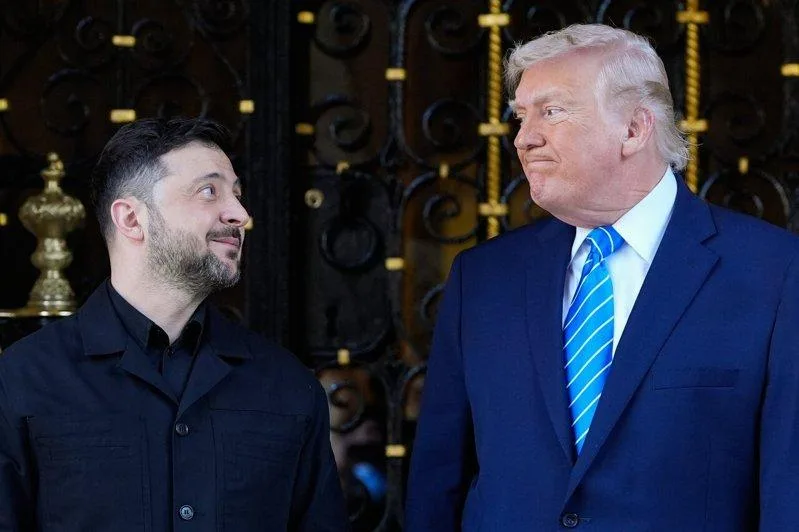
On the same day, Trump also spoke with Ukrainian President Volodymyr Zelenskyy, who called for the US to demonstrate strong determination to help end the four-year war. Zelenskyy described the conversation as "very pleasant" and expressed optimism, noting, "There is indeed an opportunity to end this war, and the key lies in America's determination" [2, 3, 4, 5].
Following the call, on July 6, Russian forces launched a heavy missile and drone attack on Kyiv, firing over 66 missiles and more than 350 drones that killed at least 28-30 people [1, 6, 5]. Despite this escalation, Trump stated on July 6, "The Russia-Ukraine war is near an end, closer than most people think. Putin also wants the war to end" [6, 5]. The Kremlin affirmed that Trump’s position remains unchanged and expects continued contact in the near future [4, 5]. Kremlin officials accused Ukraine and European allies of prolonging and intensifying the conflict, citing terror actions against Russian civilians and attacks on energy infrastructure [2, 3, 4].
Trump’s Middle East envoy Steve Witkoff and son-in-law Jared Kushner continue shuttle diplomacy efforts on the Ukraine-Russia and US-Iran conflicts, including planned trips to Moscow [2, 3, 4].
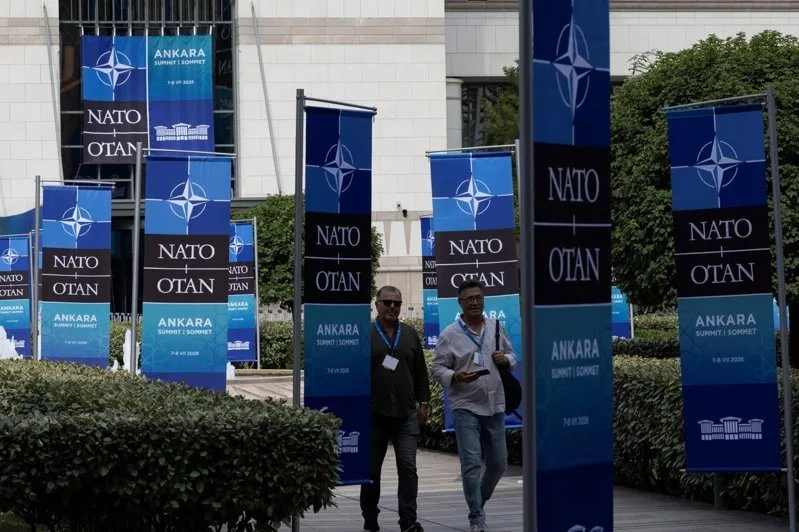
Trump arrived July 7 in Ankara, Turkey for the NATO summit running through July 8, where he met Turkish President Recep Tayyip Erdogan [7, 8, 9, 10, 11, 12]. He is scheduled to meet Ukrainian President Zelenskyy and Syrian President Ahmed al-Sharaa on July 8 [7, 8, 11]. A US official said Trump has "a strong sense of urgency to end the war as soon as possible" and will push NATO allies to increase defense spending at the summit [7, 8, 11].
The NATO agenda includes urging European members to raise defense budgets, reviewing US troop deployments in Europe, and discussing arms production and innovation [9, 10, 12]. NATO leaders are expected to reaffirm support for Ukraine, pledging 70 billion euros in military aid and training for 2026 with commitments extending through 2027, partially funded by EU loans; the US is not expected to contribute directly to this aid package [9, 10, 12].
The NATO summit meetings and defense spending discussions represent the next major steps following the recent diplomacy and conflict escalation.