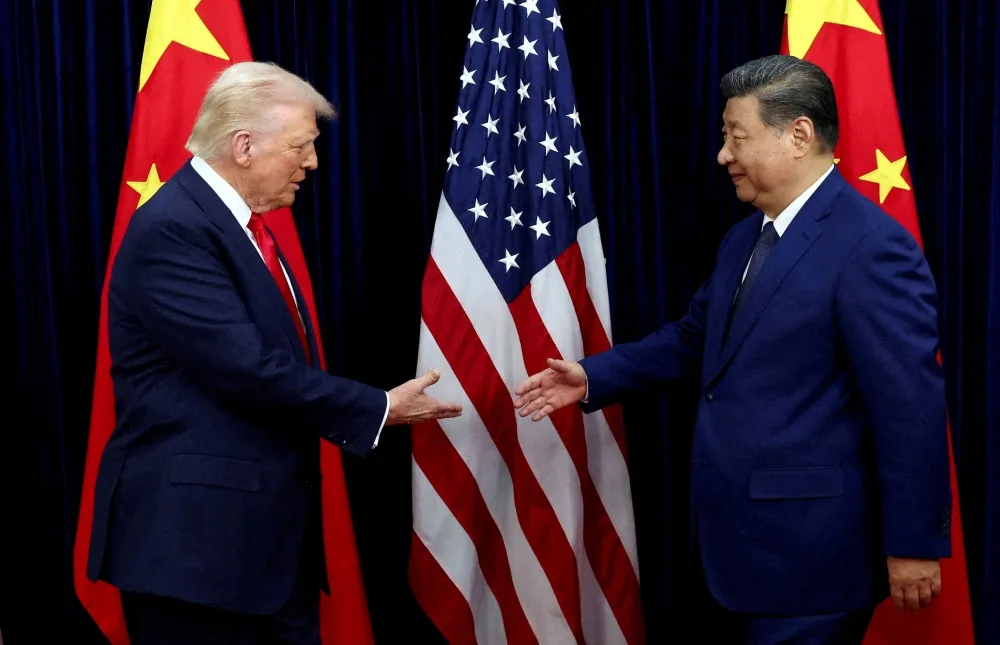
US President Donald Trump and Chinese President Xi Jinping began a summit in Beijing on May 14 to May 15, 2026, to discuss a range of issues including farm trade, the war in Iran, and critical mineral supply chains [1, 2].
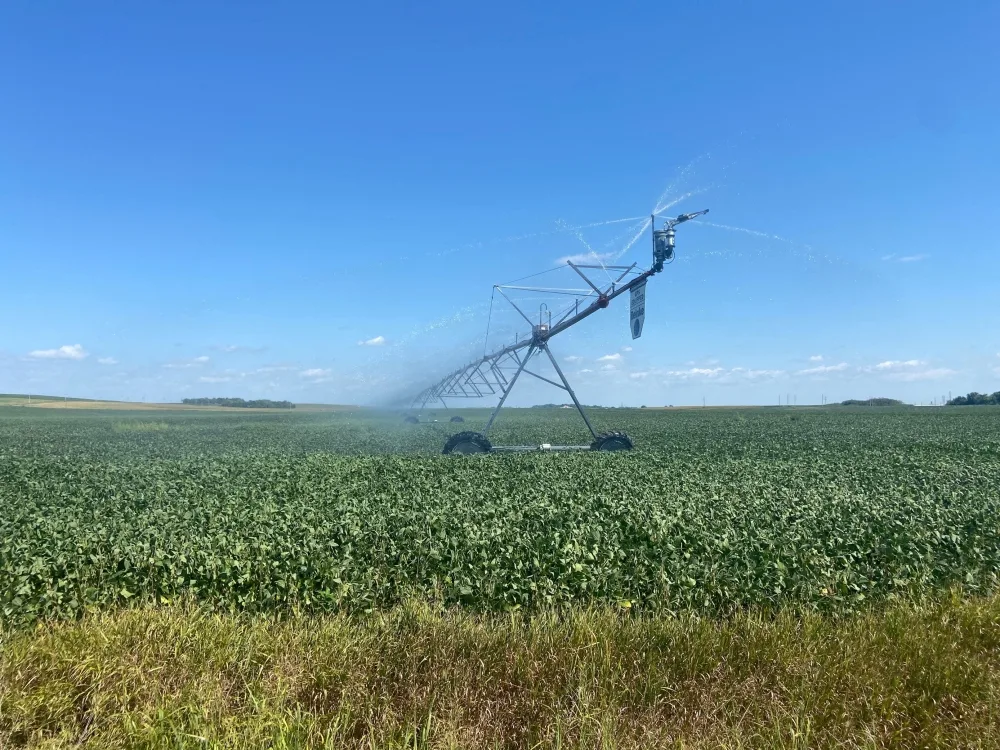
Farm trade talks may produce an agreement expanding China's purchases of US grains and meat but will likely keep soybean imports at levels agreed upon in October 2025. A senior US official indicated, "They know it’s something that they need. They know it’s something we want to sell," but acknowledged uncertainty if deals would finalize during or after the summit [1].
In 2024, China imported about $4.5 billion of US corn, sorghum, and wheat, while soybean imports reached $12 billion. China's share of US soybeans dropped to about 15-20% in 2024 from 41% in 2016, reflecting weak demand and competition from Brazil [1]. Market watchers expect no major increase beyond the existing soybean deal.
The conflict in Iran has further strained US-China relations and was a major topic during the summit. US Treasury Secretary Scott Bessent called for Chinese cooperation to reopen the Strait of Hormuz, saying, "We urge China to join us in this international operation to open the Strait of Hormuz to international shipping" [2]. China emphasized the need for a full cessation of hostilities and acknowledged Iran's right to peaceful nuclear energy, while appreciating Tehran’s commitment not to develop nuclear weapons [2].
Despite US sanctions, China remains the largest buyer of Iranian oil, importing around 1.38 million barrels per day in 2025. However, China's crude oil imports fell 20% year-on-year in April 2026 due to disruptions related to the conflict [2].
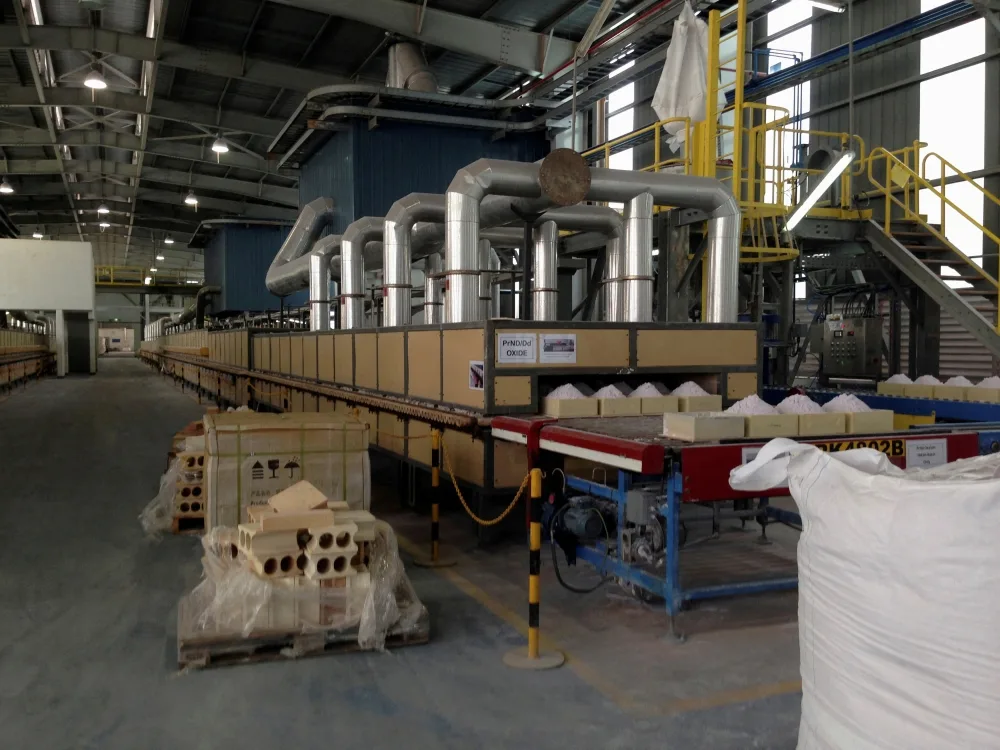
The Iran war has also spotlighted US dependence on Chinese rare earth metals, which are critical components for military technology [3]. Mahnaz Khan of Silverado Policy Accelerator stated, "The Middle East conflict is exposing in real time which minerals are truly mission-critical and exactly where supply chains could break under pressure" [3].
In response, the US has increased its rare earth production share globally from 3% in 2021 to 13% in 2026 by promoting domestic mines, recycling, and subsidies. The first new rare earth mine in over 70 years opened in July 2025, though full production has not started yet [3].
The summit will continue on May 15, with both sides aiming to clarify their positions on trade and security issues amid complex geopolitical tensions.