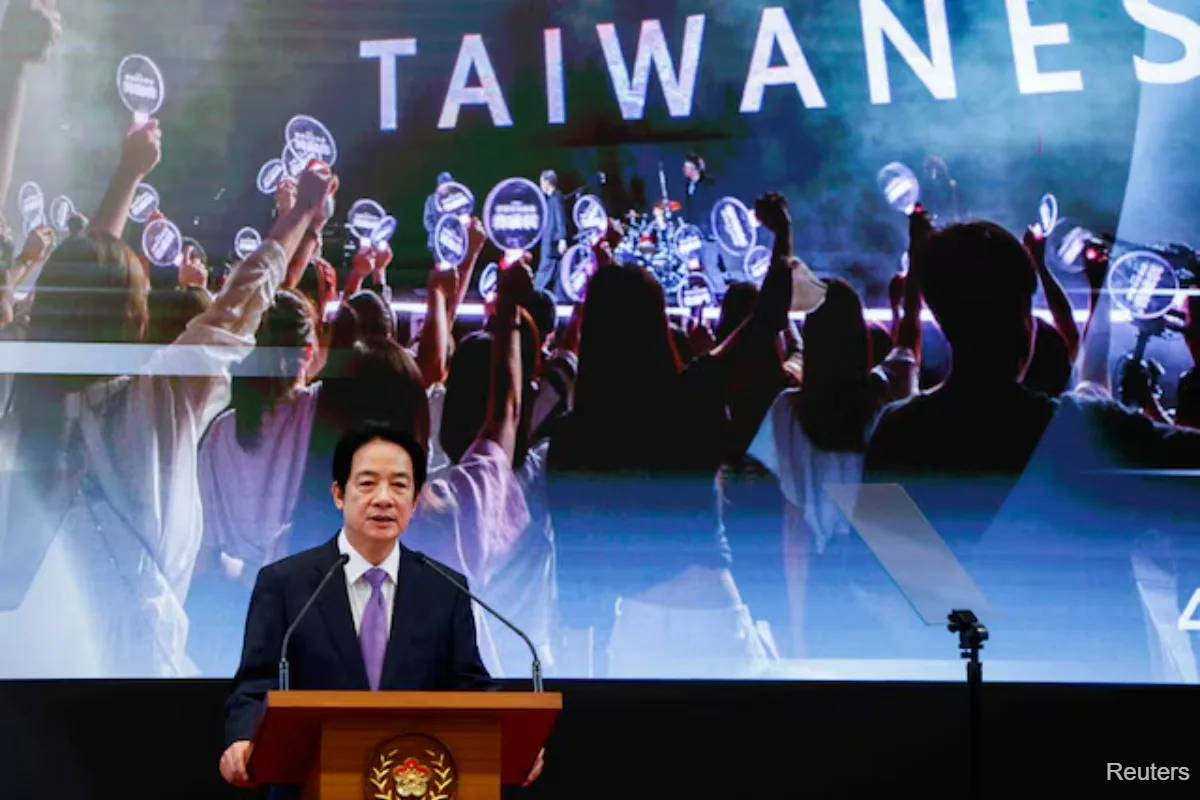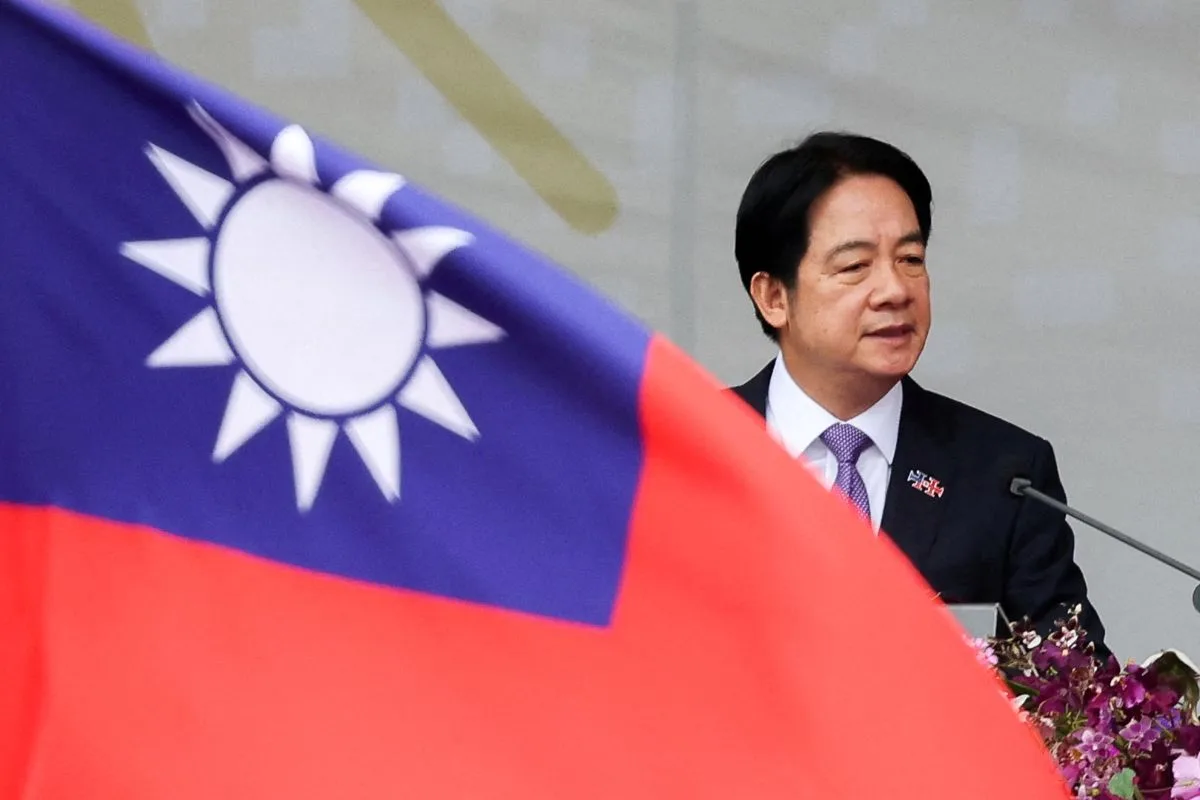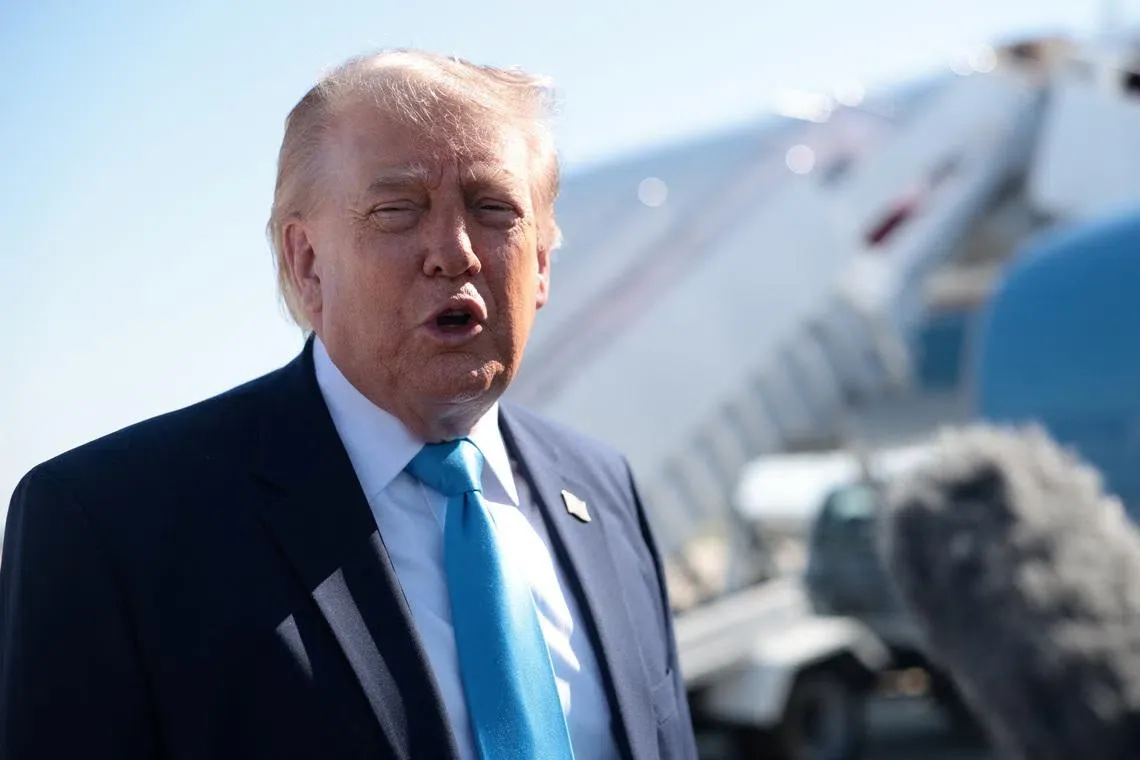
US President Donald Trump said on May 20, 2026, that he would speak with Taiwan’s President Lai Ching-te, marking the first potential direct communication between the two leaders since Washington shifted diplomatic recognition to Beijing in 1979 [1, 2, 3, 4, 5, 6]. Trump stated, "I’ll speak to him. I speak to everybody. ...We’ll work on that, the Taiwan problem" [1, 2].
Since 1979, US and Taiwanese presidents have avoided direct contact, following Washington’s official recognition of China and the diplomatic severance with Taipei [1, 2, 3, 7, 8, 9, 4, 5, 6, 10]. Taiwan’s President Lai welcomed the prospect of talks. He said if given a chance, he would affirm Taiwan’s commitment to maintaining the stable status quo across the Taiwan Strait and accuse China of undermining peace with its military build-up in the Indo-Pacific region [2, 7, 8, 5, 6]. Lai said, "My government is committed to maintaining the status quo across the Taiwan Strait, and it was China that was undermining peace with its massive military build-up" [2].
Taiwan’s Foreign Minister Lin Chia-lung described the potential call positively but said that the initiative lies with President Trump and no official consultations had taken place [9]. He said, "If there were a phone call between the heads of state of the United States and Taiwan, I think we would view that very positively" [9]. Taiwan’s National Security Council secretary general Joseph Wu urged keeping a low profile but said any progress would be publicized. He noted that elevated dialogue beneficial to regional peace would be significant for Taiwan and democratic nations [8].
China regards Taiwan as its own territory and opposes any official US-Taiwan leader exchanges. It has never renounced the use of force to bring Taiwan under control [2, 7, 8, 5, 6]. Trump’s caution in referring to the "Taiwan problem" reflects the unresolved tensions his surprising statement triggered [1, 2, 4, 5].
Trump has boosted arms sales to Taiwan more than previous US presidents. He is reportedly considering an arms sale package worth up to US$14 billion, exceeding the US$11 billion approved last December [2, 9, 4, 5, 6].
As of May 25, no firm plans or scheduling have materialized for a call between Trump and Lai [9, 10]. Taiwan officials reiterated that no bilateral consultations had occurred and that the ball is in the US president’s court [9].
Trump recently described his trip to China and meeting with President Xi Jinping as "amazing" and said he intended to work on the Taiwan issue [1, 3, 4, 5]. The situation remains fluid, with no confirmed date for direct presidential communication.