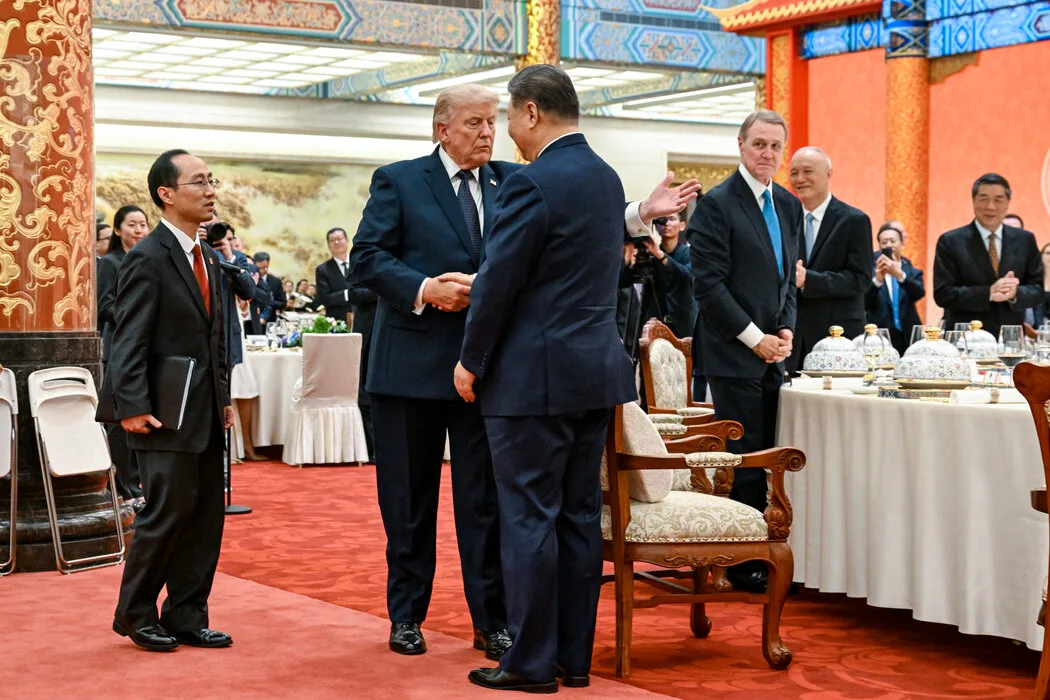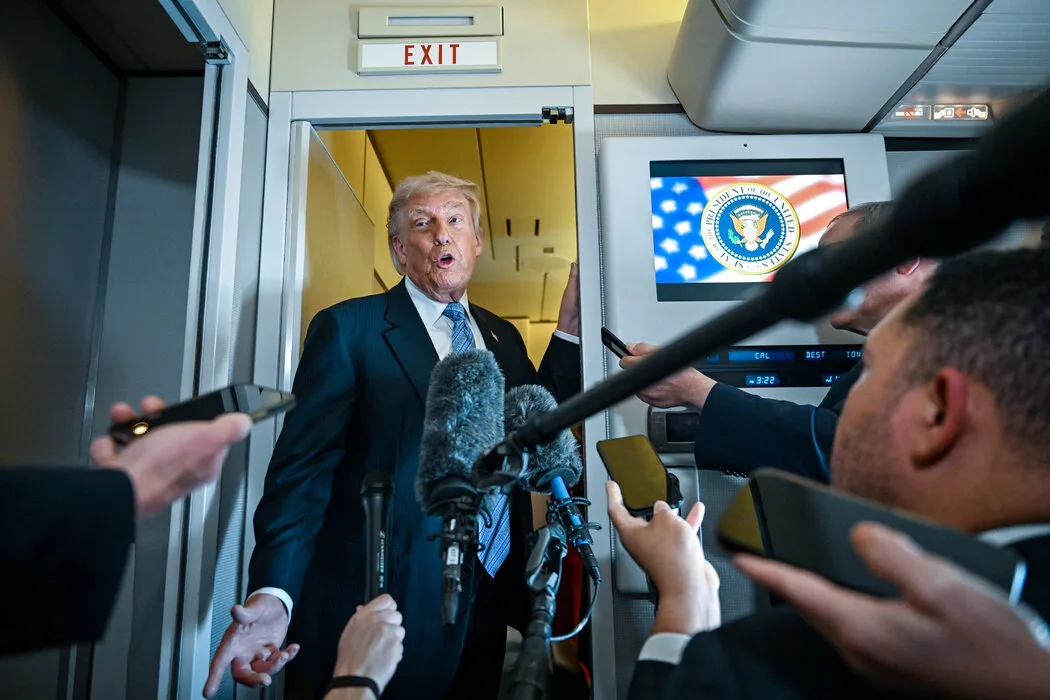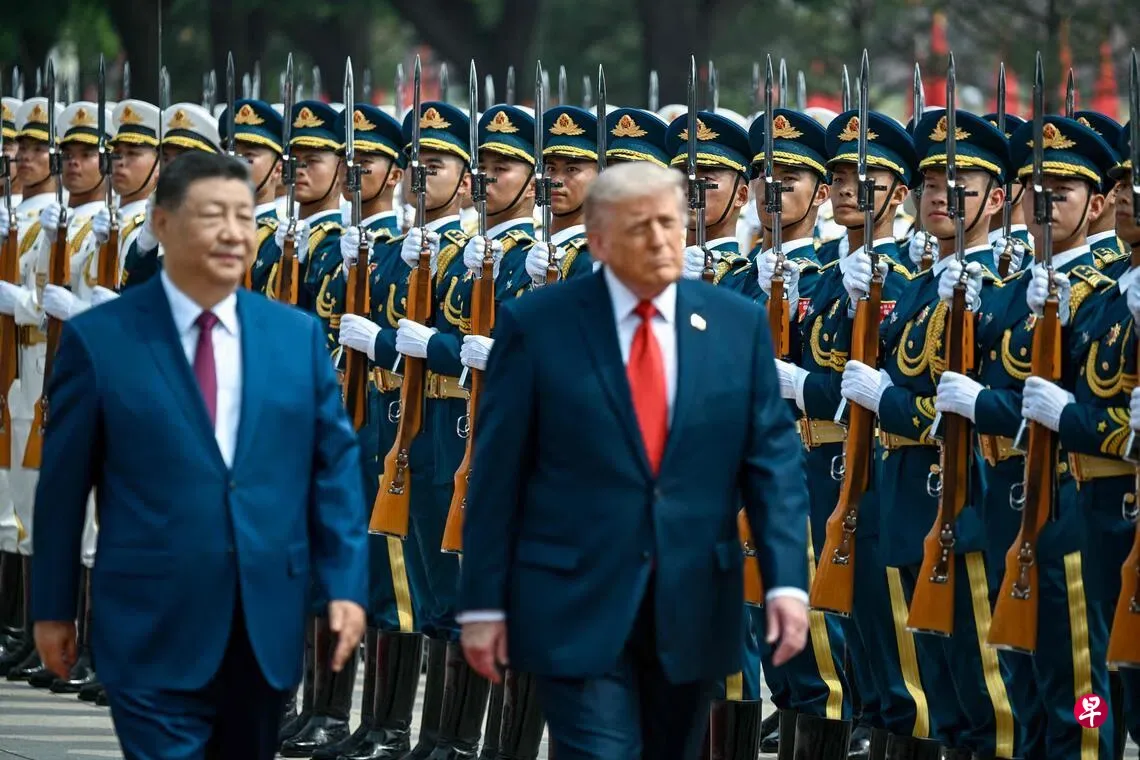
Donald Trump wrapped up his three-day visit to China on May 15, leaving without any commitments on extending the US-China tariff truce. Speaking on Air Force One, Trump said, "我们没有讨论关税。他们支付高额关税,但我们没有讨论这个问题。" (We did not discuss tariffs. They pay high tariffs, but we did not discuss this issue.) [1].
During talks with Chinese President Xi Jinping, Trump also refused to make any promises regarding Taiwan. He stated, "在台湾问题上,他(习近平)的立场非常强烈,我没有作出任何方向的承诺。" (On Taiwan, his position is very strong; I made no directional commitments.) [2, 3, 4].
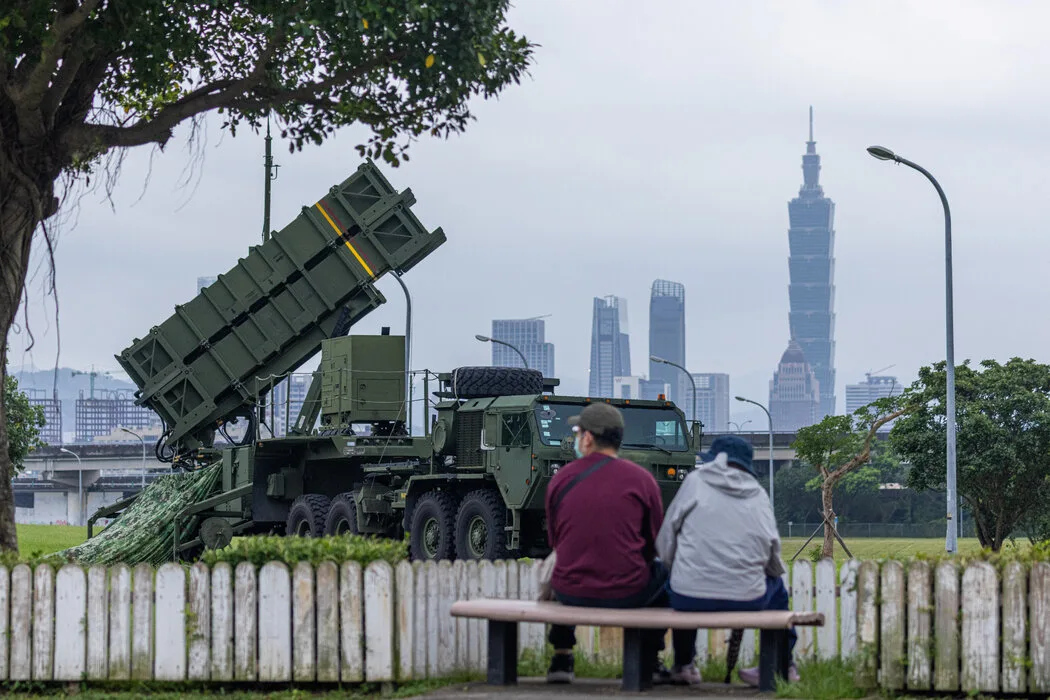
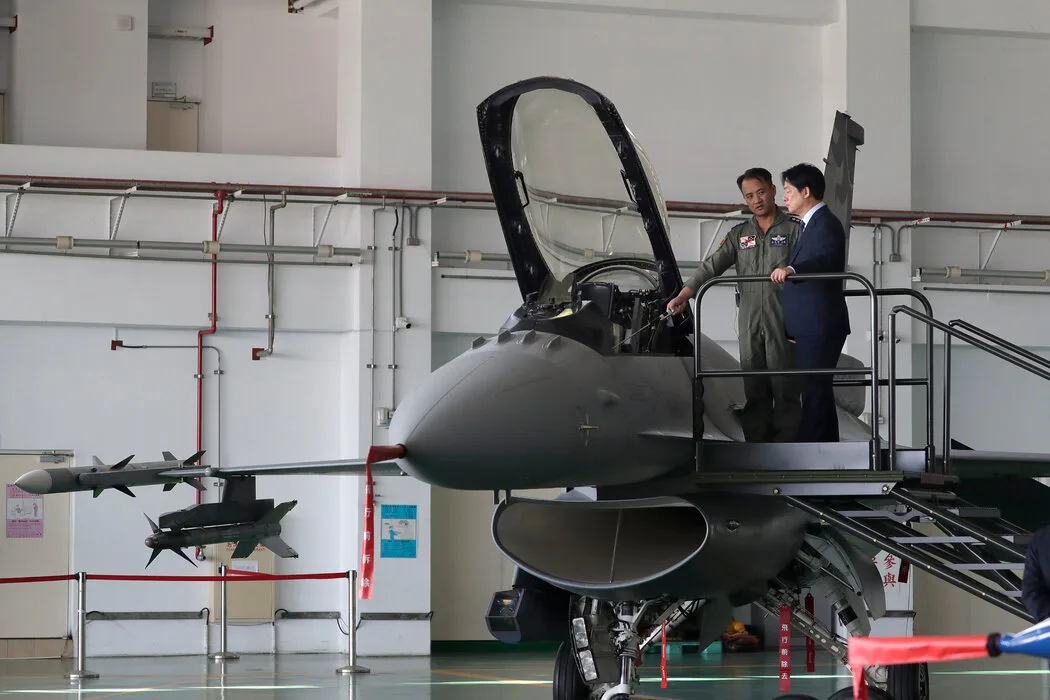
Trump indicated he will soon decide whether to approve a $14 billion arms sale to Taiwan after further consultation with Taiwanese leadership. He said, "我必须和那个治理台湾的人谈谈。" (I must talk with the person managing Taiwan.) and added about the arms sale, "Not yet, I put it on hold for now, it depends on China. It’s a very good bargaining chip for us." [2, 3, 5, 6, 7, 8, 4]
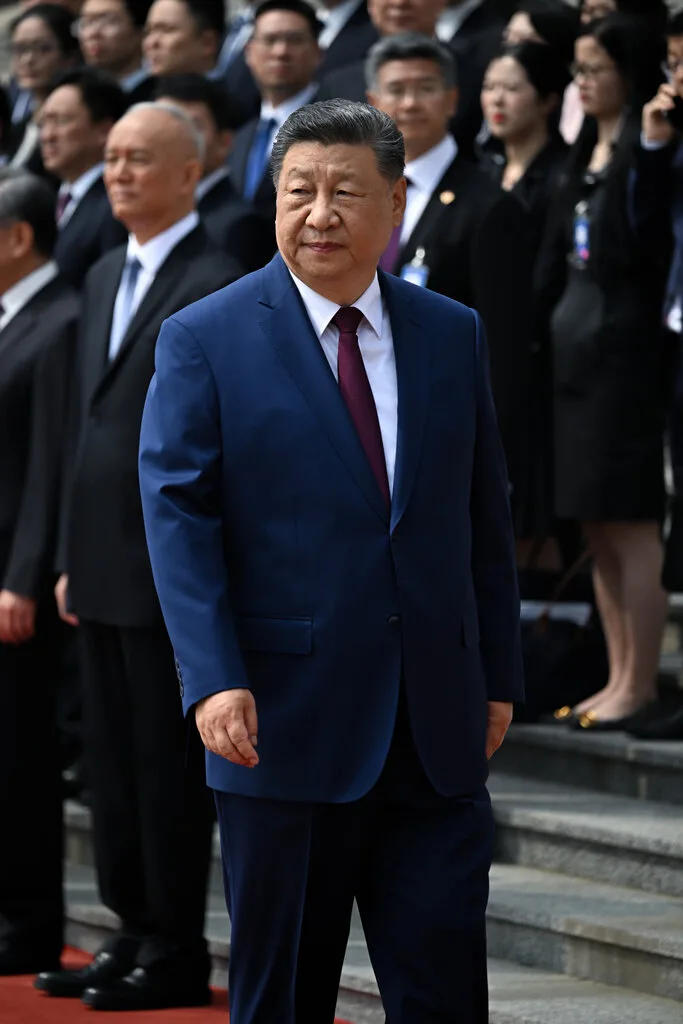
Xi Jinping warned Trump that the Taiwan issue is "the most important in US-China relations," emphasizing that mishandling it could lead to conflict. Xi said, "台湾问题是中美关系中最重要的问题。处理好了,两国关系就能保持总体稳定。处理不好,两国就会碰撞甚至冲突,将整个中美关系推向十分危险的境地。" (Taiwan is the most critical issue. If handled well, bilateral relations stay generally stable; if not, conflict may erupt, pushing relations to a very dangerous state.) [2, 3, 6, 9, 10].
Taiwanese officials stressed that US arms sales underpin regional peace and stability and fulfill US legal commitments. Taiwan President Lai Ching-te reaffirmed defending the current Republic of China status quo and denied there is a Taiwan independence issue, stating "捍卫‘中华民国’现状,没有台独问题。" (We defend the ROC status quo; there is no Taiwan independence issue.) [5, 6, 7, 11, 9, 10].
Trump declined to clarify whether the US would militarily defend Taiwan if China invaded, maintaining a policy of strategic ambiguity [3, 6, 8]. Experts have cautioned that increased US-Taiwan military cooperation could provoke stronger Chinese military responses [2, 6].
Former Taiwan Mainland Affairs Council official Zhang Hsien-yao believes Trump may delay decisions on the $14 billion Taiwan arms sale to avoid undermining US-China relations [7]. The prior arms sale approved by Trump in December 2025 was about $11 billion [6, 8].
On May 18, US House Speaker Mike Johnson praised Lai Ching-te's responsible stance on cross-strait relations, saying Taiwan must show strength and that Congress will firmly defend Taiwan against land grabs by China [11].