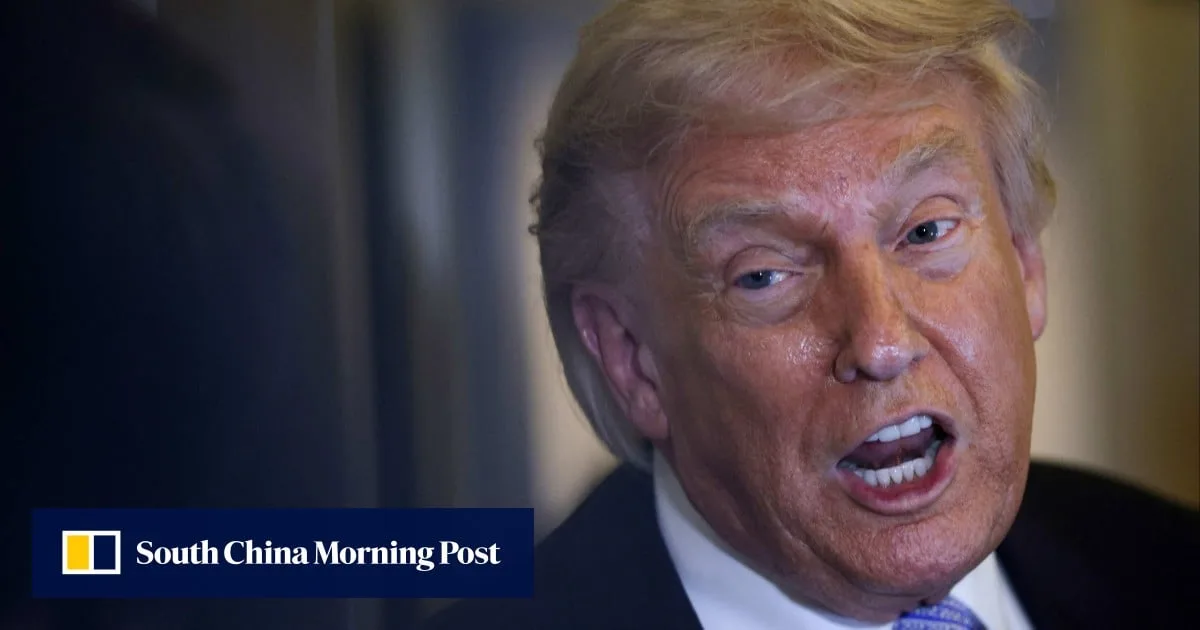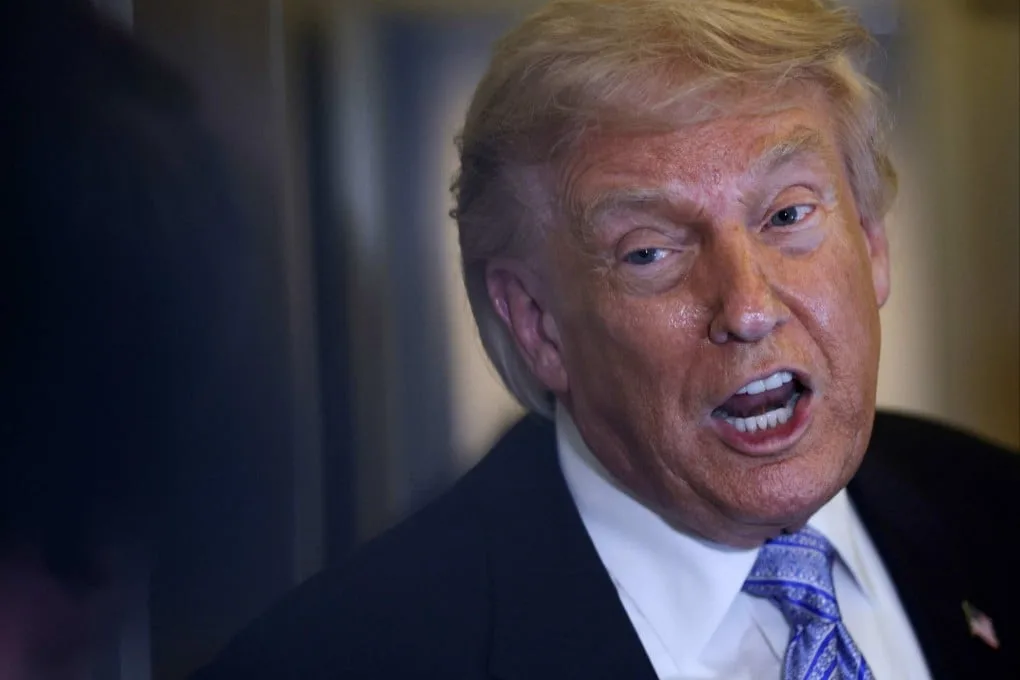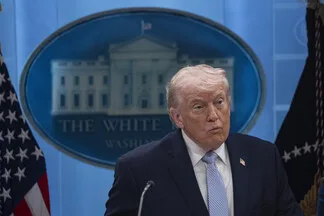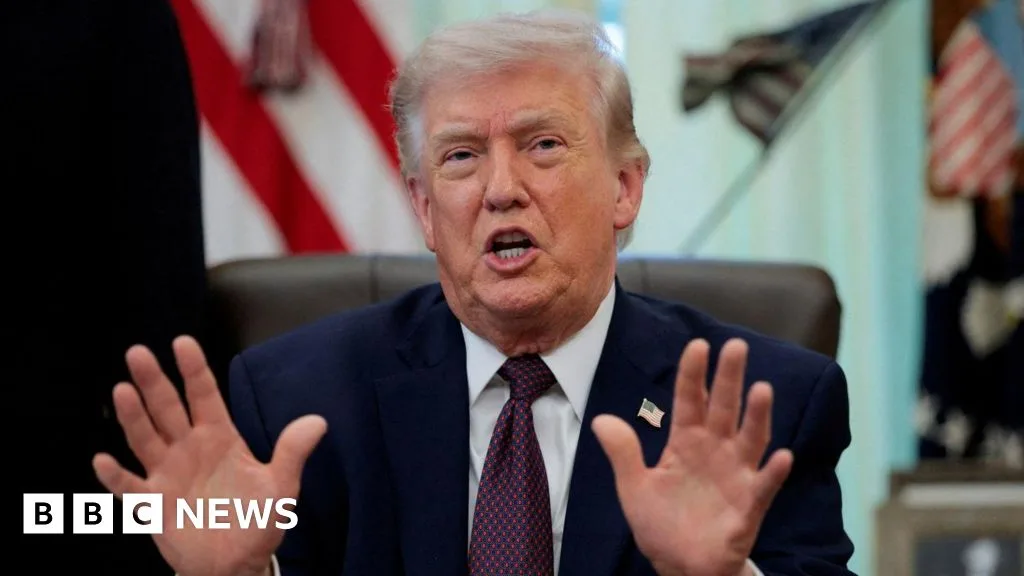
US President Donald Trump announced plans to speak with Taiwan's President Lai Ching-te about a potential $14 billion arms sale to Taiwan. [1, 2, 3] The two leaders have not communicated directly since 1979, when the US severed formal diplomatic ties with Taiwan in favor of recognizing Beijing. [1, 3]
The proposed arms package reportedly includes anti-drone systems and air-defense missile equipment, aimed at strengthening Taiwan's defense capabilities under Lai's leadership. [1, 2, 3] Since taking office in May 2024, Lai has advocated for bolstering the island's military and has rejected efforts to weaken Taiwan's democracy. [1, 2]
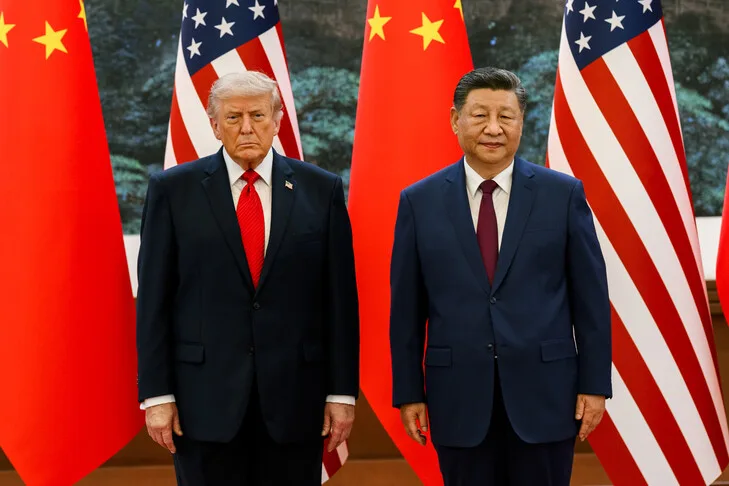
Trump called his May 19-20 meeting with Chinese President Xi Jinping "amazing" and said the discussions covered Taiwan in detail. [1, 2] The summit in Beijing also addressed AI competition and safeguards, with Trump stating, "I discussed it, and he acknowledges how well we’re doing. We’re doing well." [4]
China opposes any US arms sales to Taiwan and official exchanges, accusing Taiwan's leadership of promoting separatism. A spokesperson for China's Taiwan Affairs Office called Lai "the biggest source of instability" and said she had "stubbornly adhered to a separatist stance." [1, 2]
The arms deal has been stalled for months at the State Department, reportedly held up due to Beijing's objections pending Trump's decision after his China visit. [1, 2] Trump told reporters, "I'll speak to him. I speak to everybody.. we'll work on that, the Taiwan problem." [1]
Taiwan’s Democratic Progressive Party, led by Lai, currently holds a minority in the legislature but has pushed for parity and stronger defense measures. [2] Lai said, "Taiwan's future must not be determined by external forces or hijacked by fear, division or short-term benefits." [2]
Trump’s next step is to engage directly with President Lai to discuss the stalled arms sale and Taiwan’s security concerns following the summit with Xi. [1, 2]