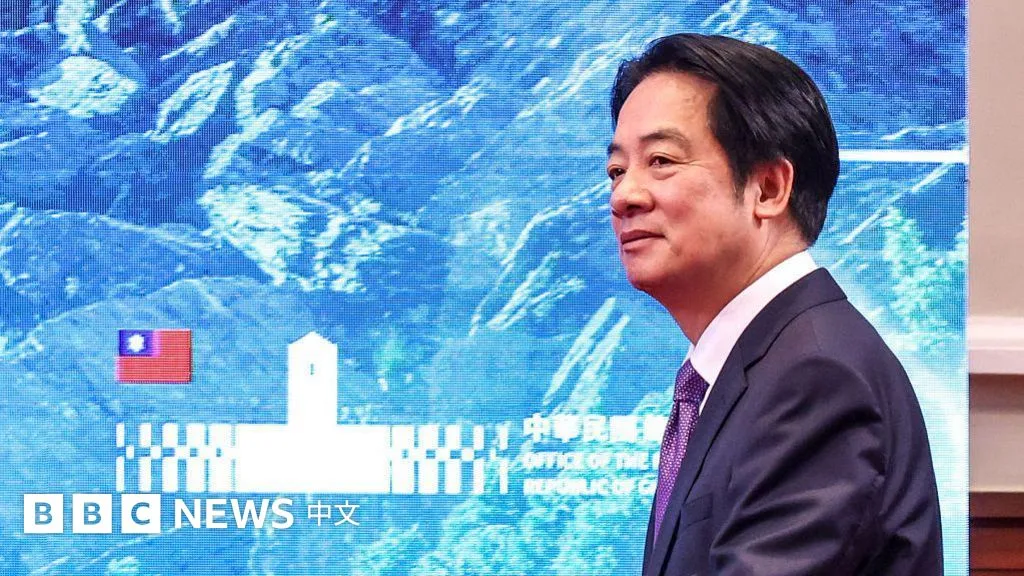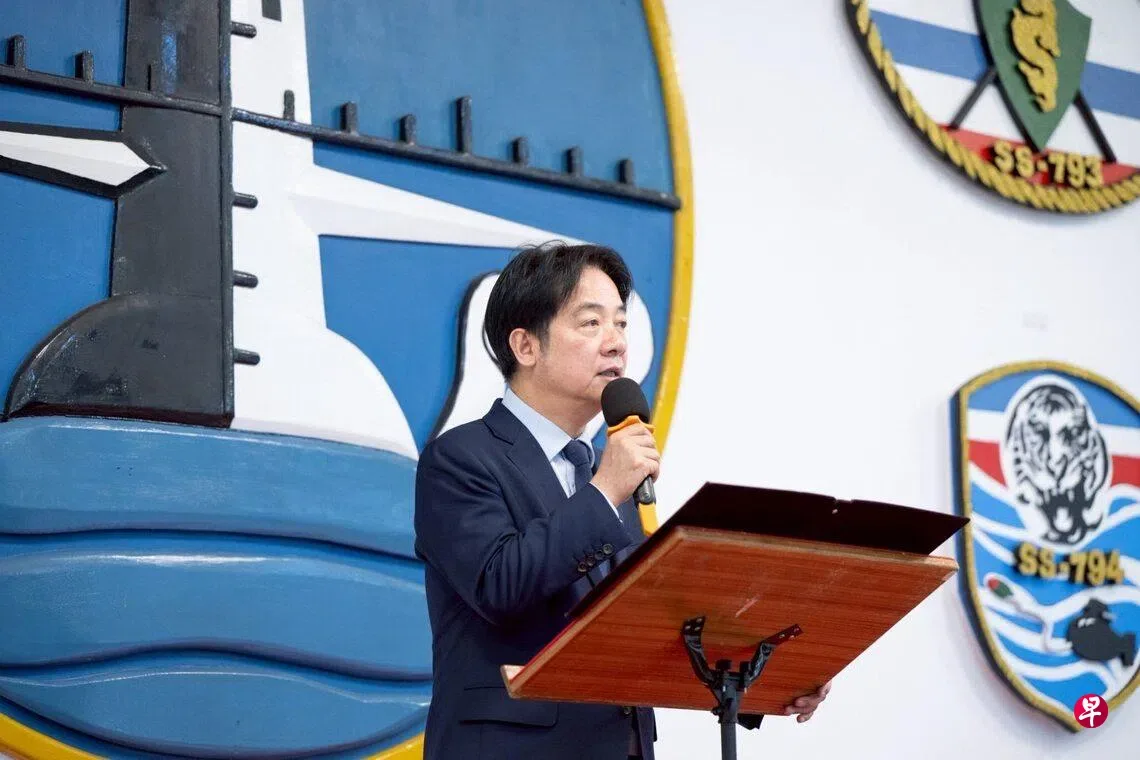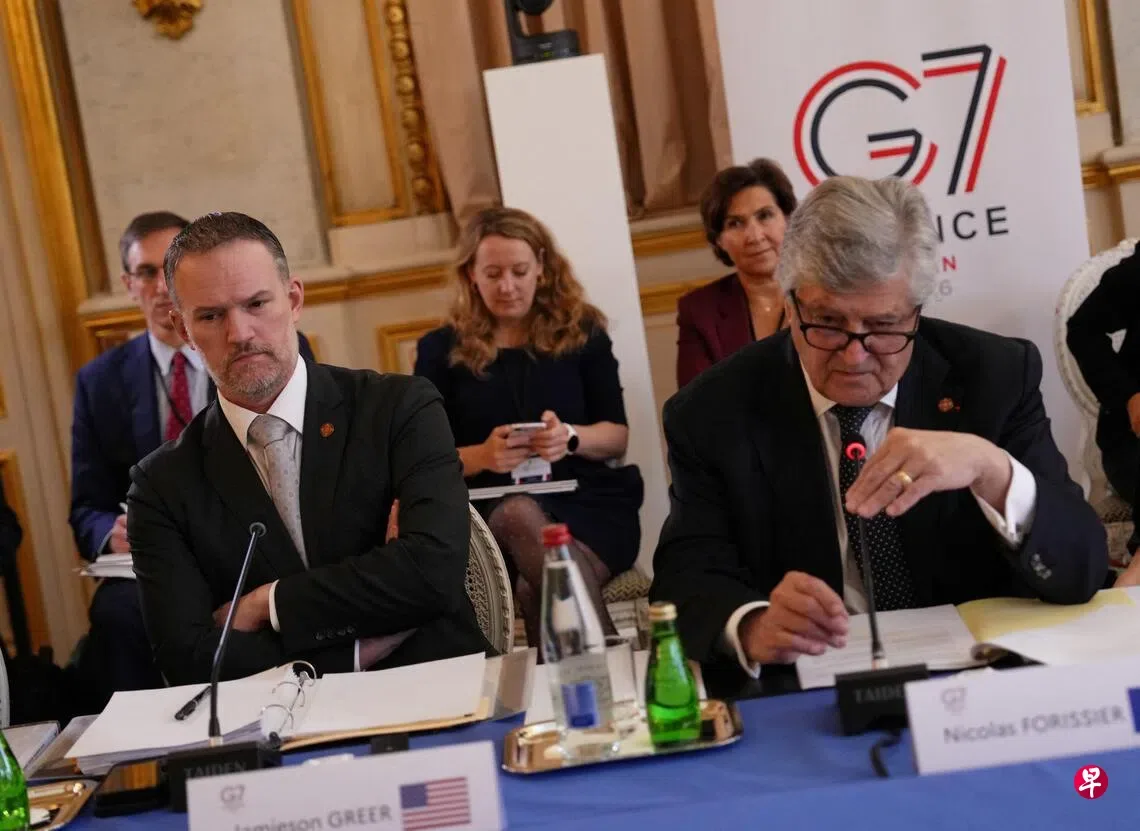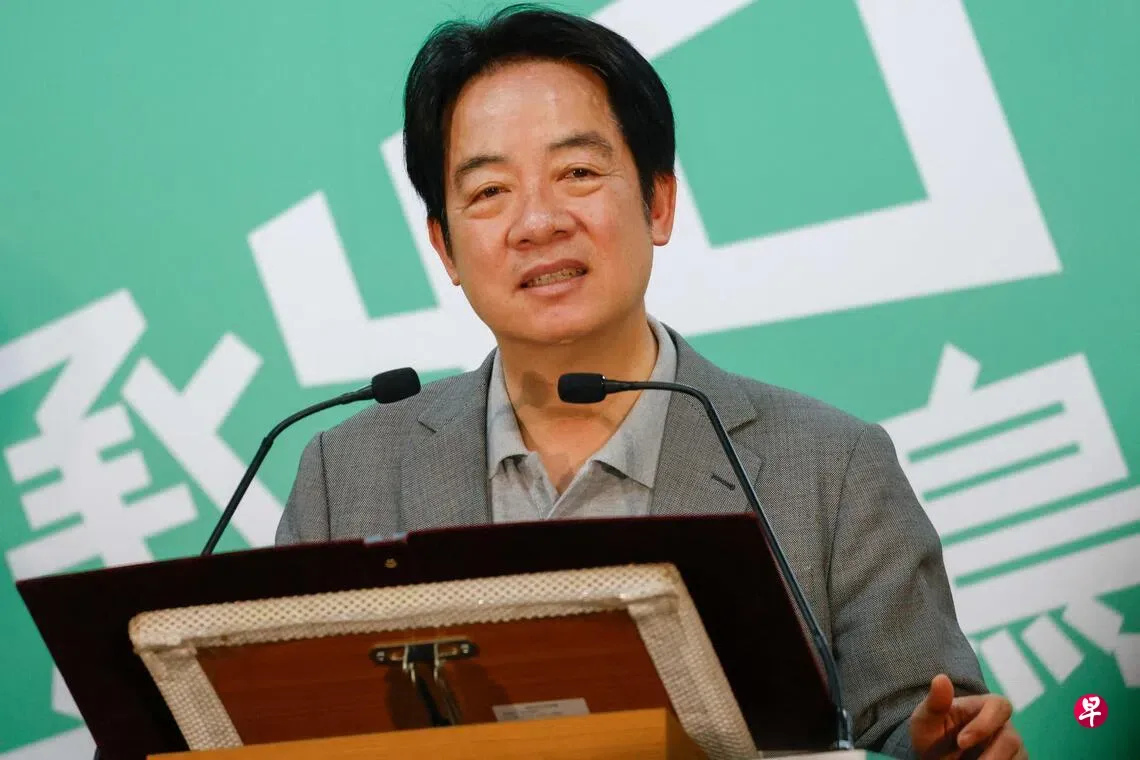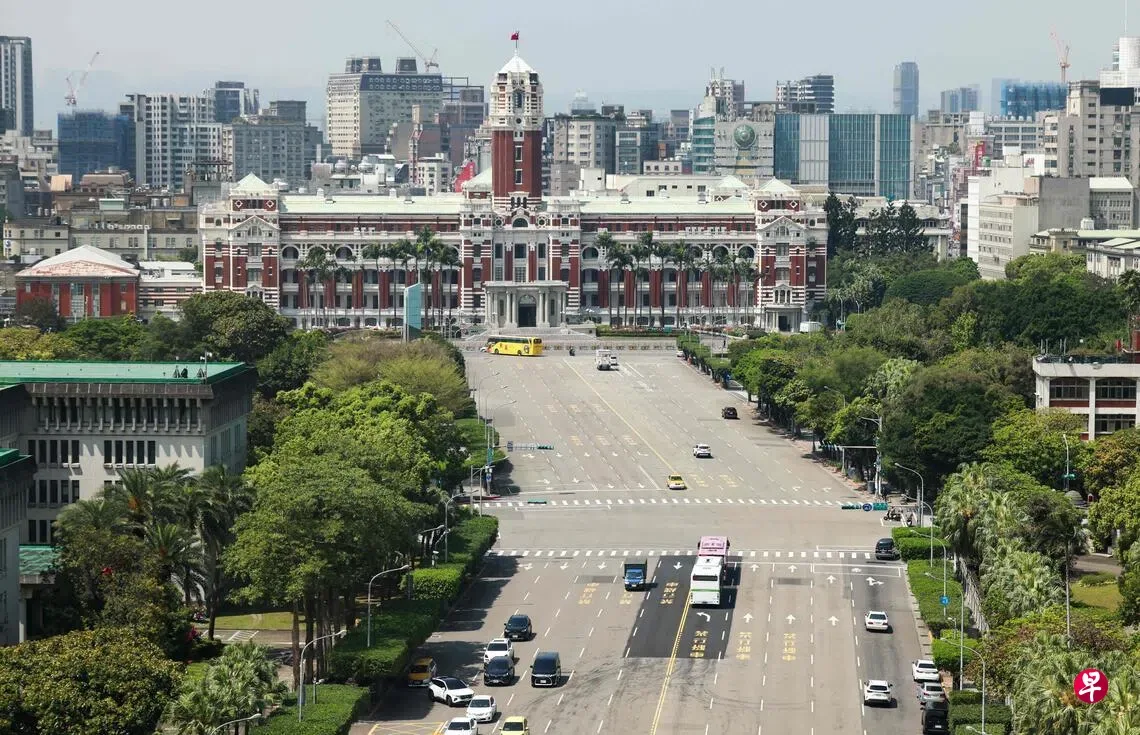
Taiwan President Lai Ching-te emphasized that Taiwan is a sovereign and independent democratic country under the name "Republic of China Taiwan" and rejected the label of "Taiwan independence," insisting on maintaining the status quo across the Taiwan Strait [1, 2, 3]. Lai stated, “台湾从来都是两岸现状的坚定维护者,而不是改变现状的一方,” signaling his commitment to stability [3].
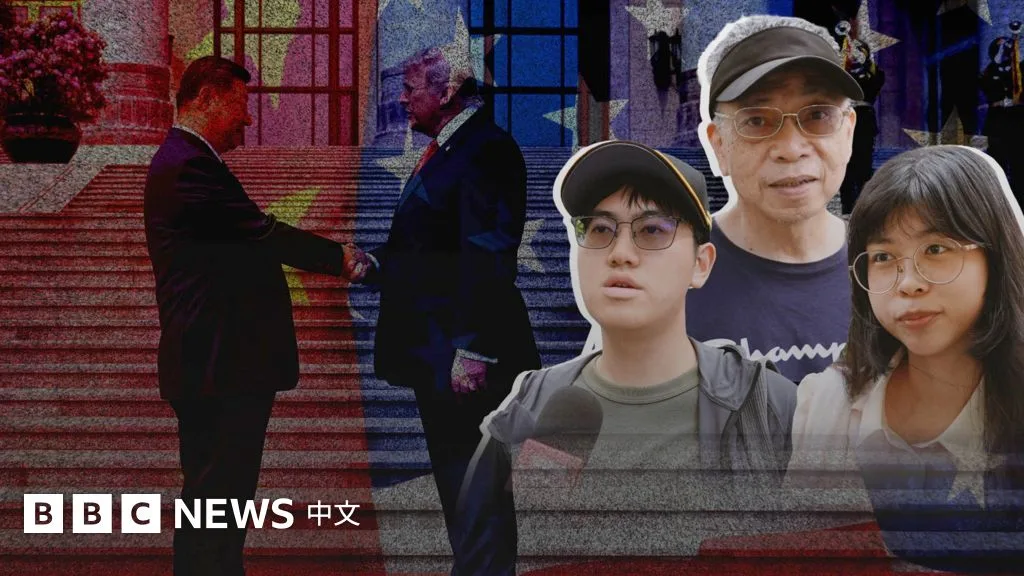
The remarks came shortly after U.S. President Donald Trump’s summit with Chinese President Xi Jinping in Beijing from May 13 to 15, 2026. After leaving Beijing, Trump warned Taiwan not to push for independence, saying, "I do not want to see anyone move towards independence" and signaling caution to Taipei against provoking Beijing [1, 4]. Trump also announced a pending decision on a potential $14 billion arms sale to Taiwan as part of maintaining U.S. commitments to Taiwan’s self-defense [1, 5].
Taiwan’s government expressed gratitude for U.S. support, with Presidential Office spokesperson Guo Yahui noting, "Taiwan thanks U.S. President Trump for his continuous support for Taiwan Strait security since his first term," and emphasized deepening cooperation to ensure regional stability [1]. The Ministry of Foreign Affairs welcomed arrangements for direct phone talks between Trump and Lai to maintain communication [5].
However, Taiwan’s Mainland Affairs Council and national security officials blamed China for regional instability, citing increasing military activities and political pressure as the main sources of tension [1, 2, 6]. Chinese mainland officials dismissed Lai’s claims, calling them "show performances" to hide separatist intent and urging Taiwan to abandon independence efforts [7].
Domestically, Taiwan’s opposition parties criticized Lai’s statements as ambiguous. New Taipei Mayor Hou You-yi demanded the Democratic Progressive Party remove any independence language from its platform, while KMT Vice Chairman Chang Jung-Kung said Trump clearly rejects Taiwan "relying on the U.S. for independence" [8, 9, 10]. This dispute highlights deep divisions on Taiwan’s identity and approach to China.
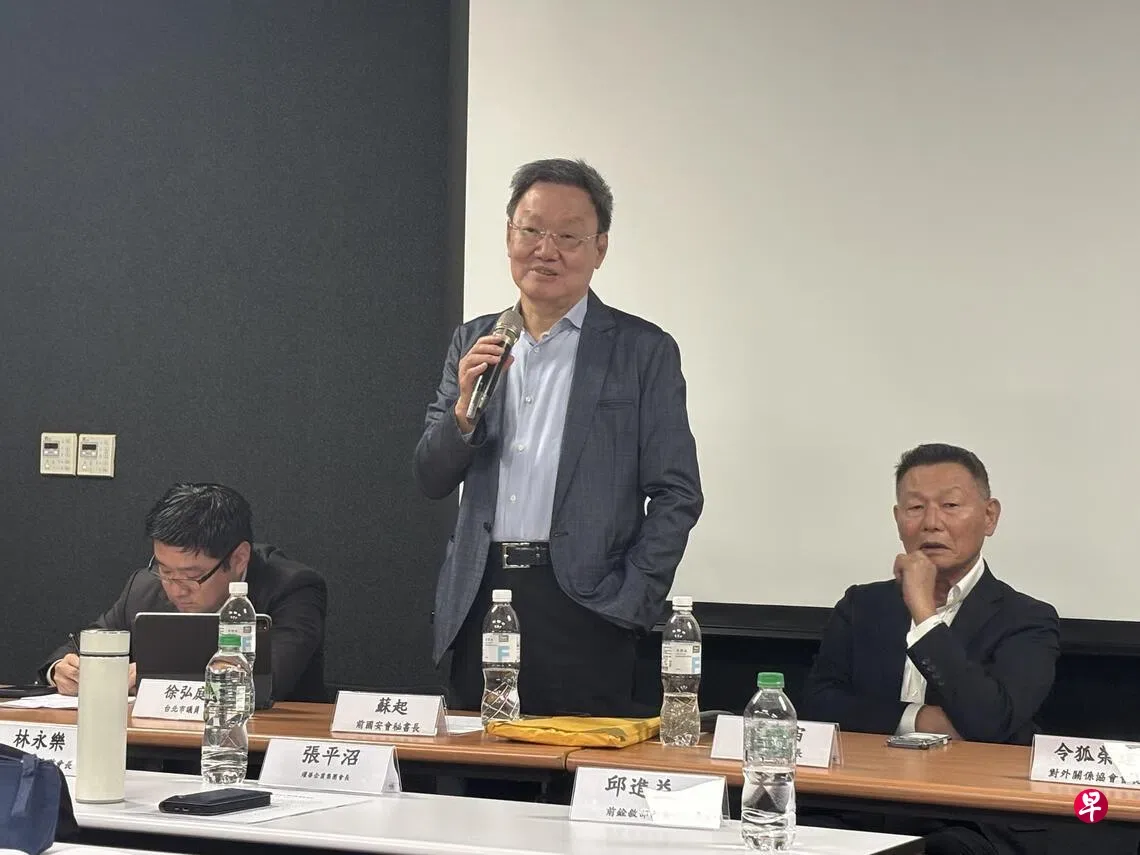
Taiwan scholar Su Chi viewed the Xi-Trump summit as Beijing "cutting the fuel under Taiwan independence" by weakening U.S. support for independence, predicting less backing for Taiwan’s independence in future U.S. policy [11, 4].
The U.S. decision on the $14 billion arms sale remains pending as of today, May 23, with discussions ongoing following the summit [1, 5]. Meanwhile, Taiwan and the U.S. prepare direct presidential talks to ensure dialogue on security and cross-strait issues continues.