A Turkish appeals court annulled the 2023 congress of the main opposition Republican People's Party (CHP), invalidating the election of Özgür Özel as party leader and reinstating former chairman Kemal Kilicdaroglu, 77, to lead the party again on May 21, 2026 [1, 2, 3]. The court cited unspecified irregularities and allegations of vote buying during the 2023 CHP primary as grounds for the annulment [1, 4, 2]. Thirteen people have been detained since May 23 in connection with the vote-buying investigation, facing charges including bribery and violating party laws [5, 6].
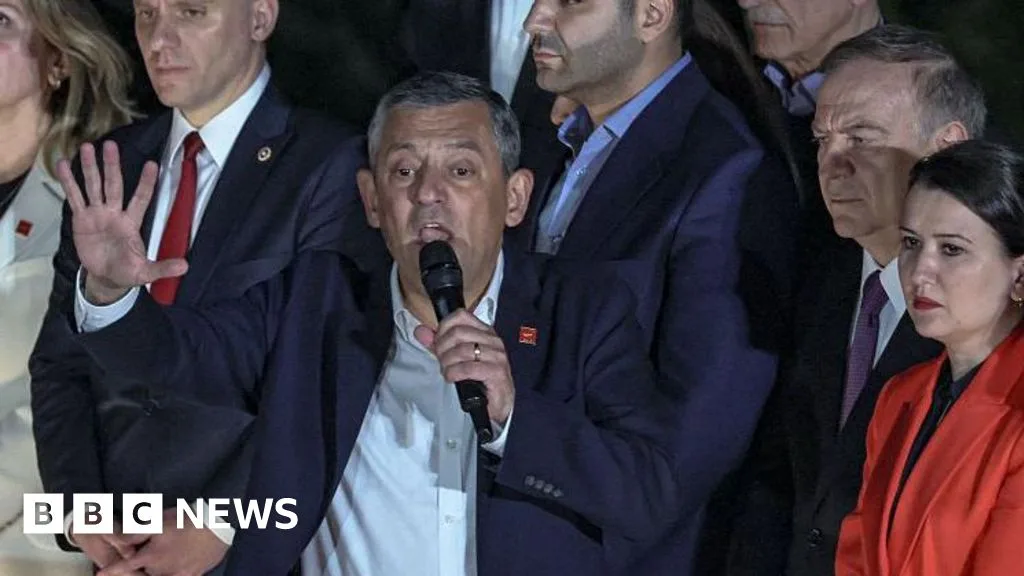
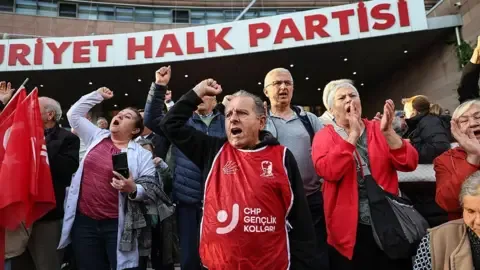
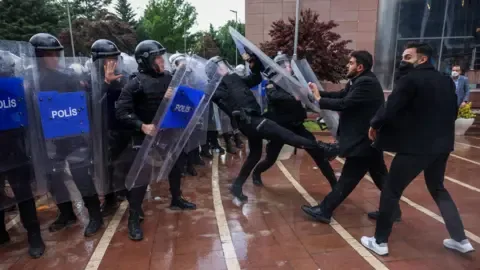
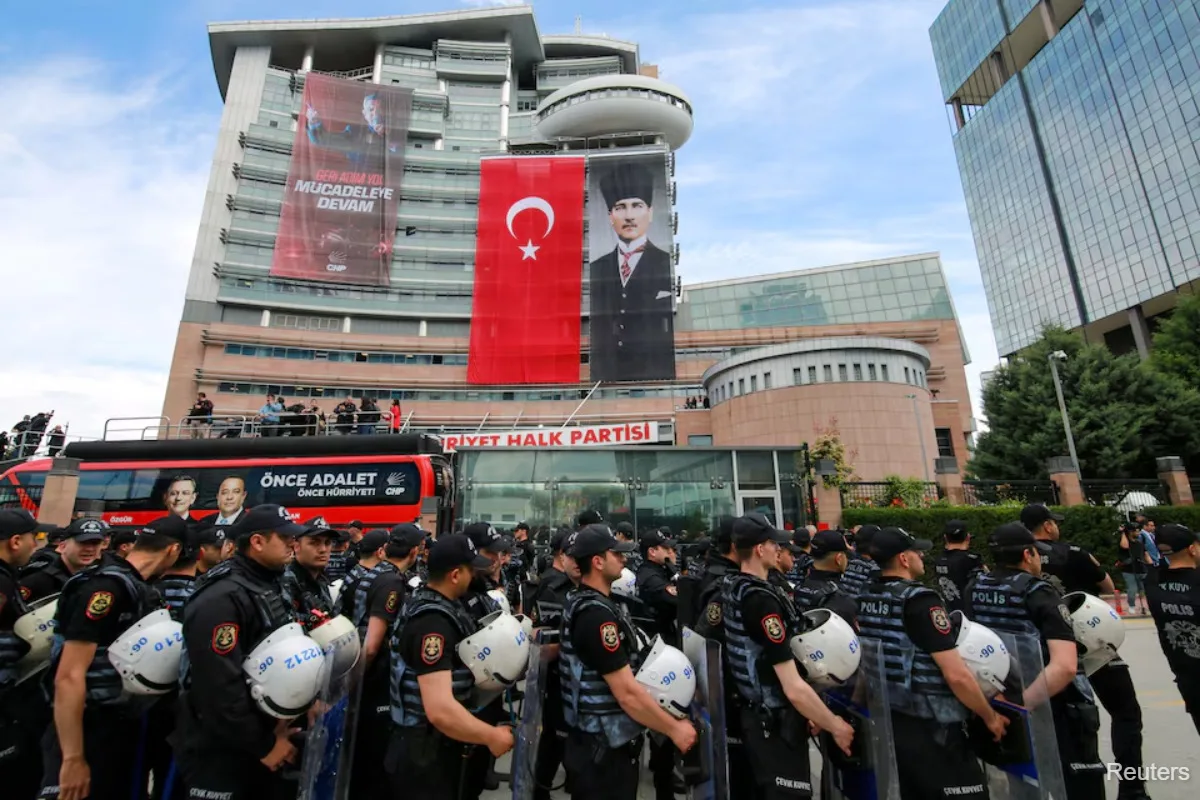
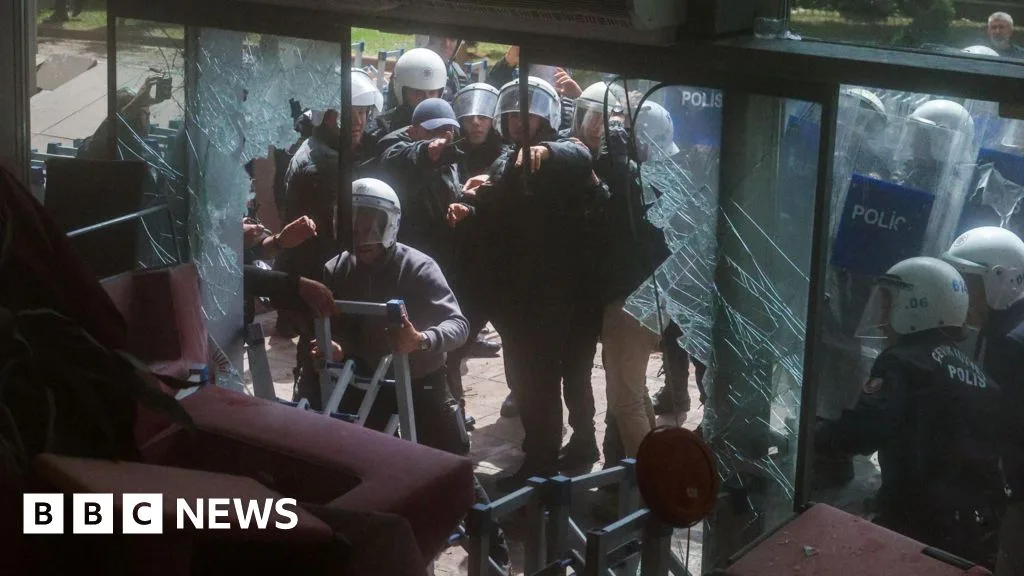
Özgür Özel condemned the ruling as a "judicial coup," saying, "We are experiencing a dark day for Turkish democracy" and vowed to continue legal appeals against the decision [1, 4]. He led opposition protests in Ankara and Izmir that police broke up with tear gas and water cannons on May 24 and May 26, respectively [4, 7, 8]. Riot police forcibly evicted Özel and his supporters from CHP headquarters in Ankara on May 24, firing tear gas and using water cannons during the operation [4, 7, 9, 6]. Özel accused President Recep Tayyip Erdogan of "effectively shutting down the political party that could defeat him" after jailing key rivals including Istanbul Mayor Ekrem Imamoglu, who has been jailed since March 2025 on disputed corruption charges [1, 8].
The court ruling invalidated all decisions made under Özel's leadership and replaced the entire CHP executive with Kilicdaroglu's team [1, 4, 3]. Justice Minister Akin Gürlek defended the verdict, saying it "reinforces our citizens' trust in democracy," and the government denied using courts for political targeting, insisting on judicial independence [1, 10]. Smaller opposition parties criticized the ruling as anti-democratic, while Erdogan ally Devlet Bahceli said the judiciary should avoid interfering in party affairs [3, 10]. The pro-Kurdish DEM Party called the decision and police eviction a "disgrace to democracy" and a violation of democratic norms [11].
The political turmoil weighed on Turkey's financial markets. The Borsa Istanbul stock index dropped 6%, and the lira hit record lows, prompting the central bank to sell billions of dollars to stabilize the currency [1, 2, 3]. Vice President Cevdet Yilmaz said the government would "continue to decisively implement its economic programme" despite the unrest [3].
The next national election is scheduled for 2028, but Erdogan, in power for 23 years, could call early polls amid this political crackdown [1, 3, 5]. Analysts note Erdogan needs 360 parliamentary seats to hold referendums that could extend his rule beyond current term limits [10].
The CHP leadership fight and police eviction mark a sharp escalation in Turkey's political crisis as the opposition grapples with legal and police pressure.