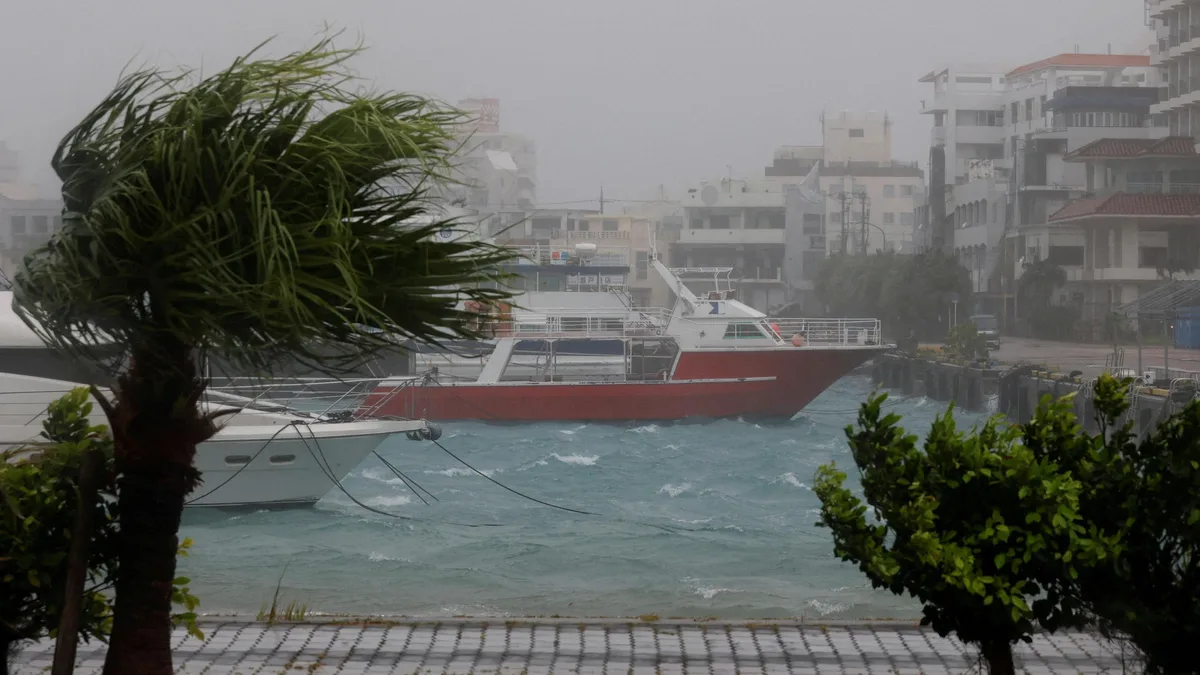
Typhoon Bavi, a massive storm spanning roughly 1,000 km wide—about the size of France—struck East Asia in early July, causing dozens of deaths and widespread disruption across the region [1, 2, 3].
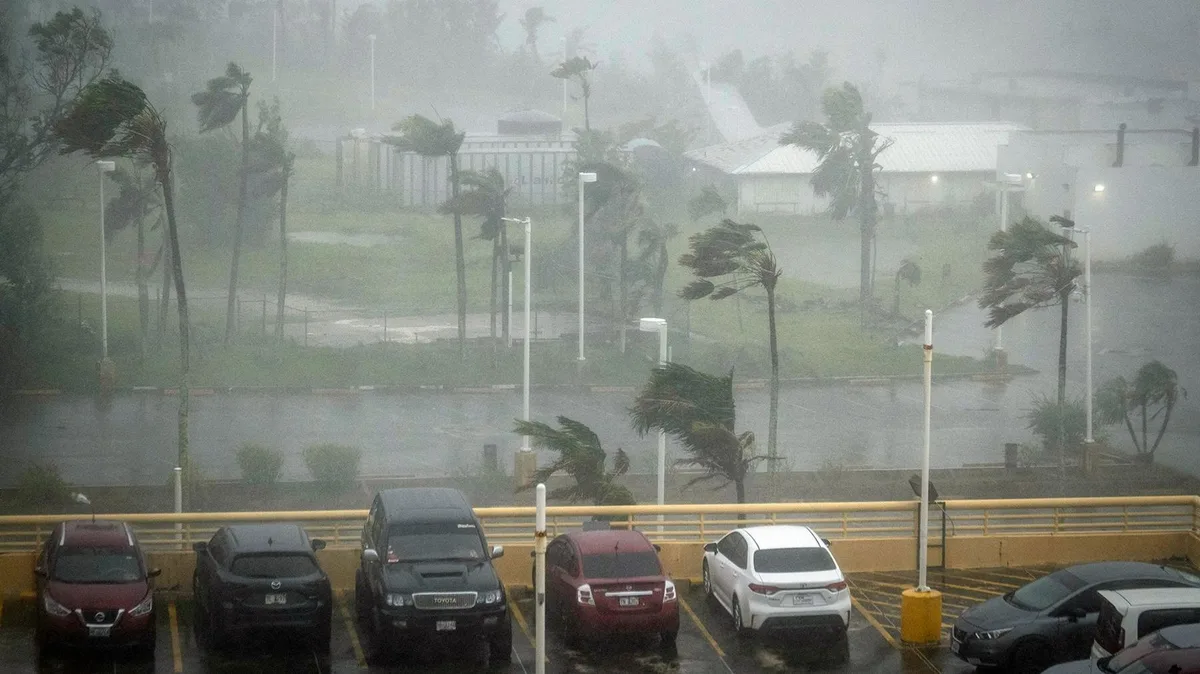
Bavi made or was expected to make landfall near Fujian and Zhejiang provinces in southeastern China around July 10 [1, 2, 3, 4, 5]. By that time, it had weakened from a super typhoon with winds up to 290 km/h down to a Category 1 storm with sustained winds near 162 km/h and gusts up to 198 km/h in Taiwan [2, 6, 3, 4, 5].
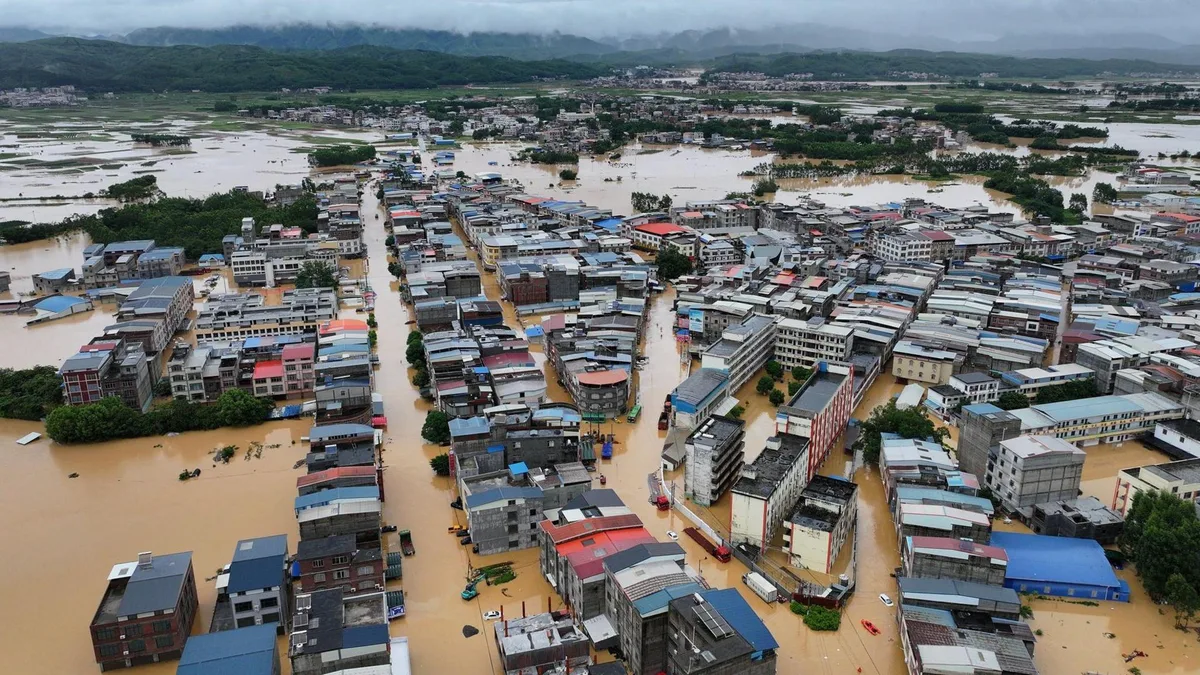
In the southern Philippines, at least 15 to 17 people died in landslides triggered by heavy rains from Bavi [1, 2]. Meanwhile, floods and dam breaches linked to extreme weather killed 39 in Guangxi province, China, with multiple reservoirs failing and cleanup underway as of July 9 [7, 8]. These deaths follow another storm, Typhoon Maysak, which had killed 39 in eastern China earlier that week [2, 3].
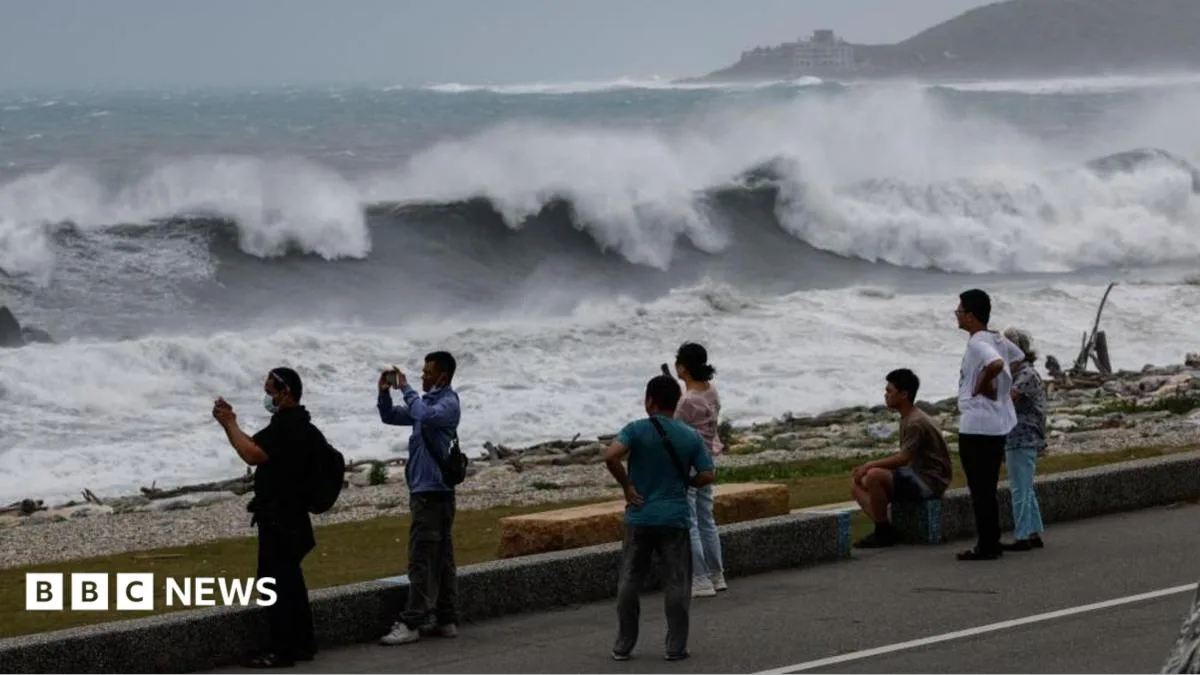
Taiwan prepared for Bavi as the largest typhoon to hit since 1987, prompting evacuations and closures of schools and offices in northern and eastern parts of the island [1, 2, 3, 5]. Taiwanese authorities warned rainfall could reach up to 1 meter (39 inches), flooding low-lying areas [1, 2]. Jason Chang of Taiwan's Central Weather Administration called Bavi "the largest storm by size to hit Taiwan since 1987" and noted such large storms are rare recently [3]. Chen Ming-hui, a 60-year-old fisherman, urged caution: "Don't be fooled by the nice and calm weather now. A storm like this could be the most terrifying" [1].
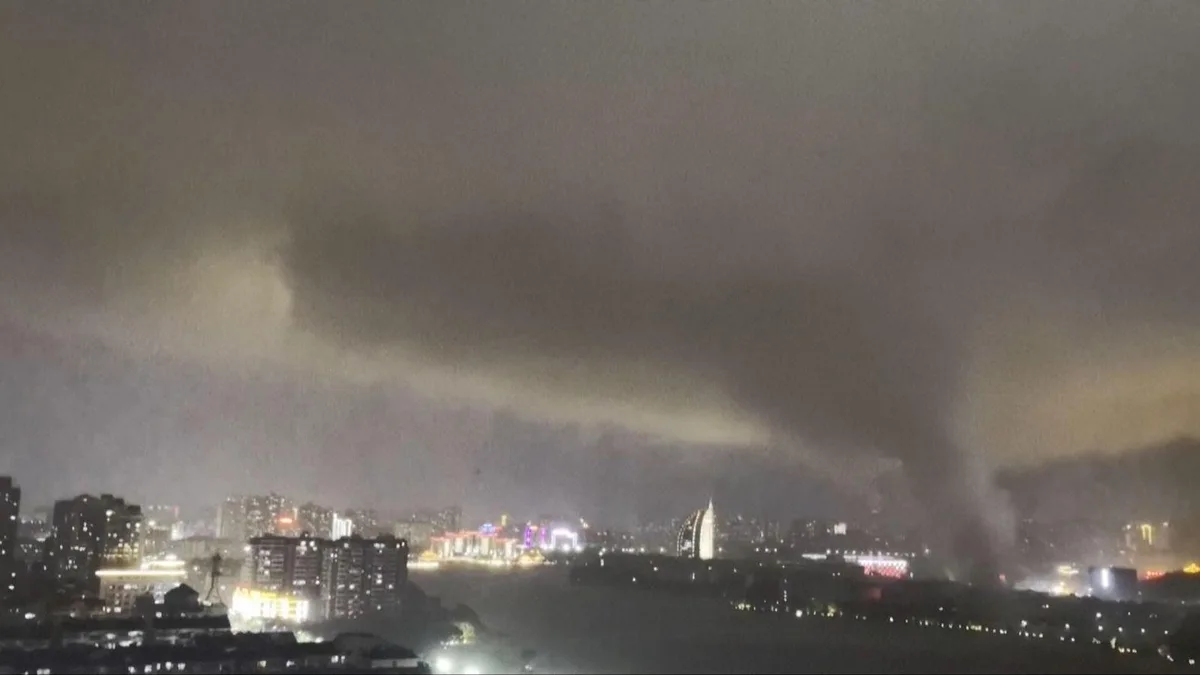
In eastern China, hundreds of thousands were evacuated near cities including Wenzhou ahead of Bavi's arrival [2]. Flights were canceled at airports such as Zhoushan and Wenzhou [1, 4]. Ma Jun, director of China's Institute of Public and Environmental Affairs, said the storm's size and power meant its remnants could move northward into Jiangsu, Anhui provinces, and the Bohai Sea region after landfall [1].
Japan's Sakishima Islands and Okinawa prefecture were put on high alert. Bavi caused power outages and injured at least five people in the Ryukyu Islands [1, 2, 3].
Elsewhere, Malaysia saw no significant threat from Bavi but experienced thunderstorms and heavy rains in several states until July 6, while a separate incident on July 5 saw a footballer die from a suspected lightning strike during a friendly match in Melaka [9, 10, 6]. Meteorologists noted the ongoing strong El Niño in the Pacific may impact future typhoon activity through early 2027 [11].
By early July, Bavi's slow weakening was expected to continue due to unfavorable environmental conditions, according to Taiwan's forecaster Wang Ping-hsiang [5]. The main focus remained on relief and response in China and the Philippines as floodwaters receded and displaced populations returned home.