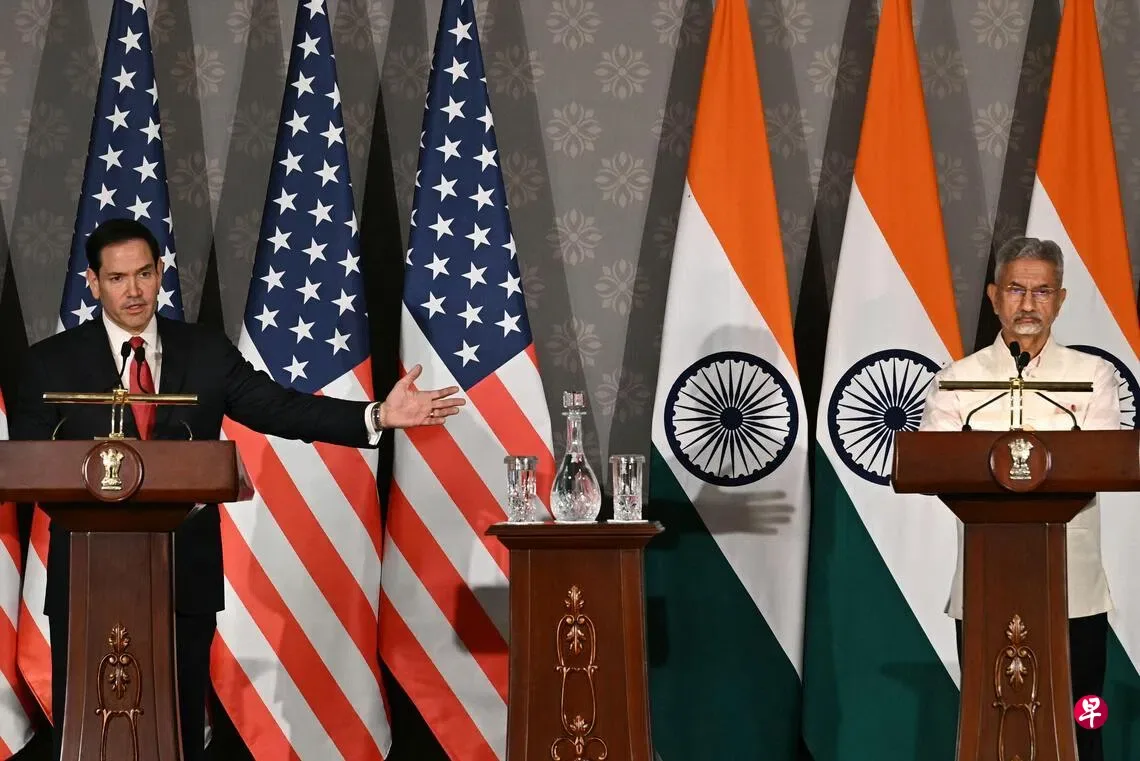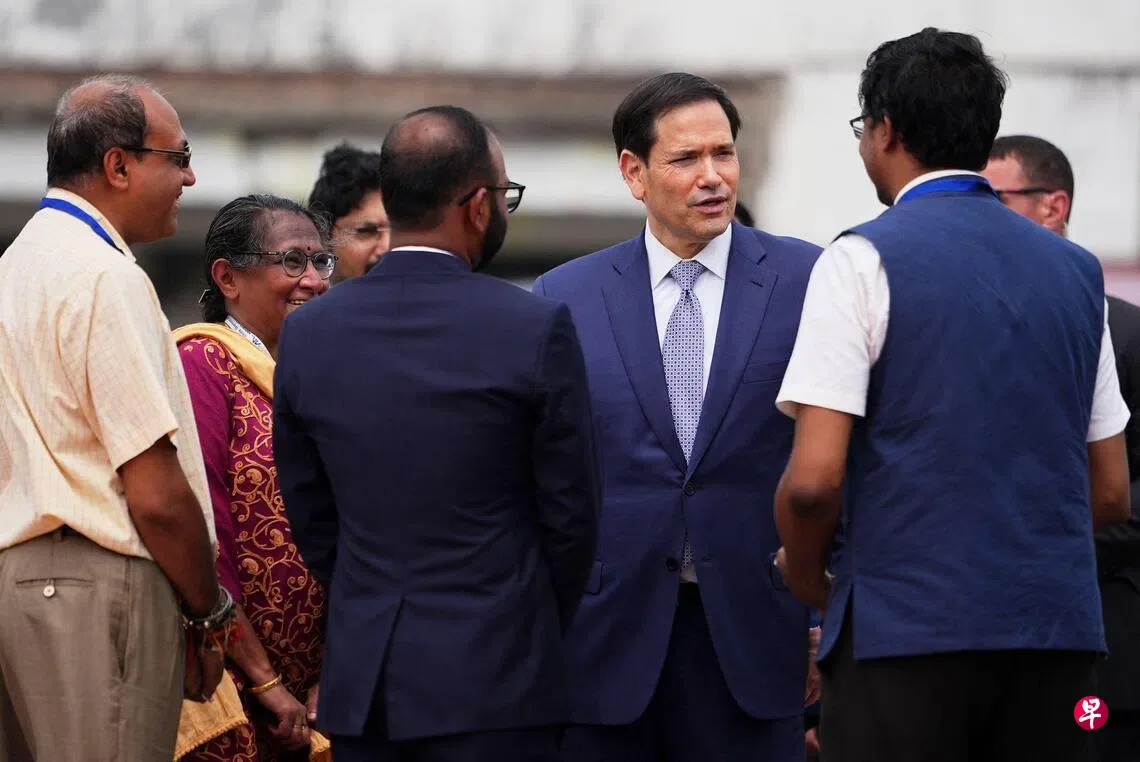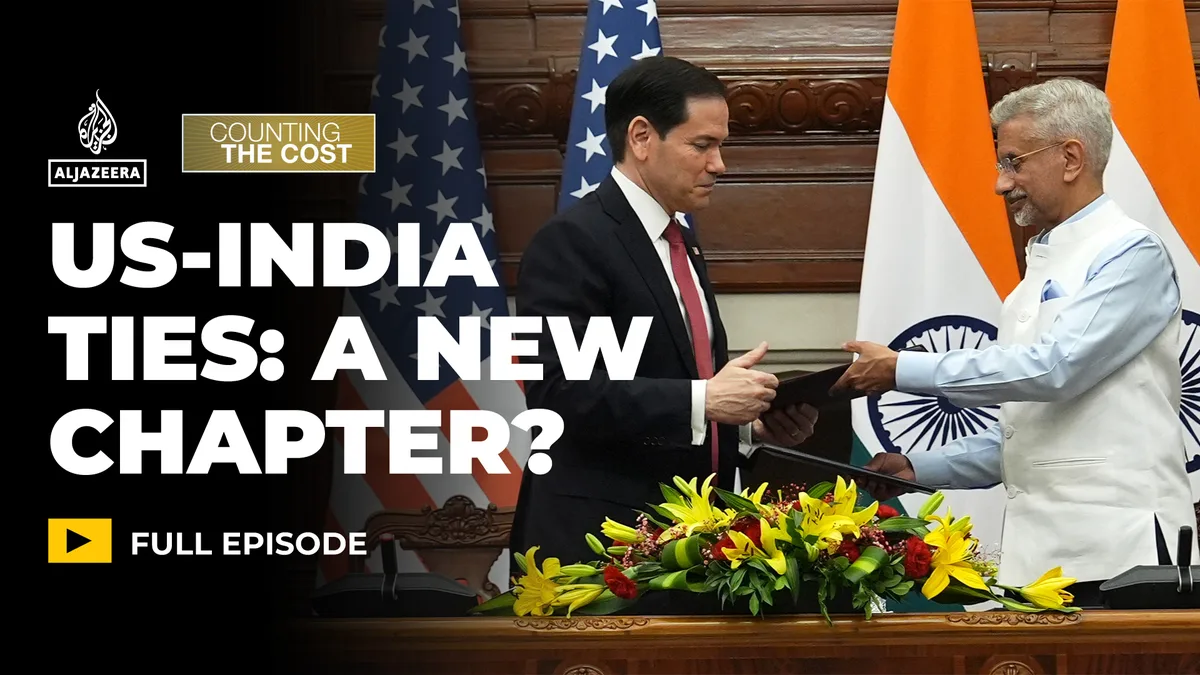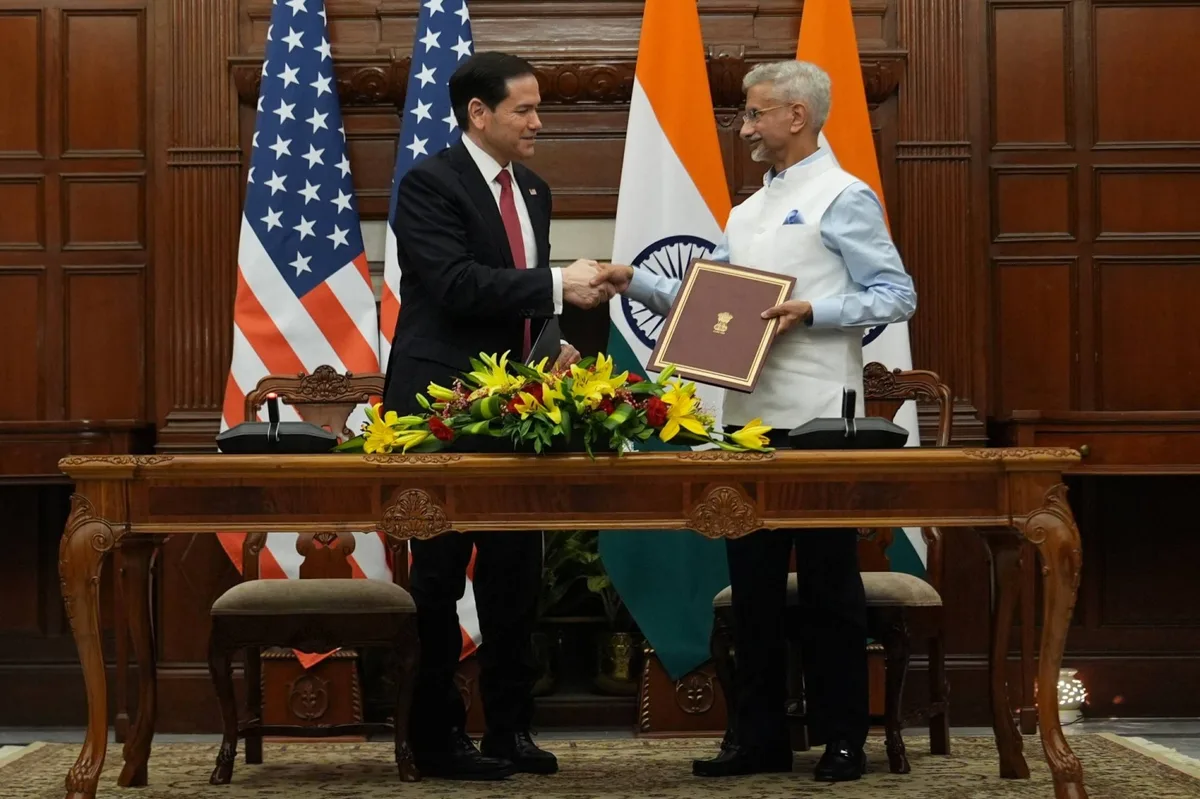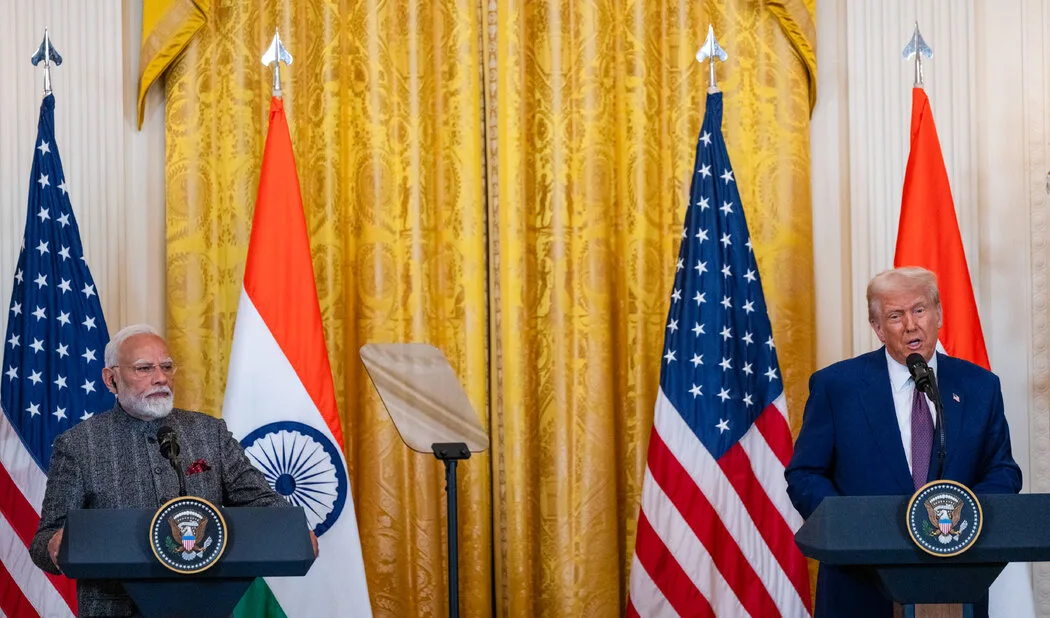
US Secretary of State Marco Rubio arrived in India on May 23, 2026, launching a four-day visit that included stops in Kolkata, Agra, Jaipur, and New Delhi [1, 2, 3, 4]. He met with Indian Prime Minister Narendra Modi and External Affairs Minister Subrahmanyam Jaishankar to discuss expanding bilateral cooperation in trade, energy, defense, and maritime security [1, 5, 6, 7, 8, 2, 9, 10, 4]. Rubio emphasized the close strategic partnership between the two democracies, inviting Modi to visit the White House [5, 6, 7, 9, 10, 4]. “The world’s oldest democracy in the United States and the world’s largest democracy here in India are natural partners now and in the future,” Rubio said [7]. Modi echoed the sentiment, saying, “India and the United States will continue to work closely for the global good” [7].
Rubio’s visit came as the countries addressed ongoing trade tensions. In February 2026, a temporary US tariff reduction from 50% to 18% on Indian imports was agreed, but a US Supreme Court ruling later reinstated a 10% tariff, stalling finer negotiations [9, 10]. Despite obstacles, officials described progress. Jaishankar noted, “两国在许多领域的国家利益将是一致的,我们会携手合作,这也是建立战略伙伴关系的原因。当然也会有一些领域双方利益并不一致,在这种情况下我们就需妥善处理这些问题。” (The two countries share many national interests and will cooperate; differences will need to be properly managed) [4].
Energy cooperation was key amid global supply disruptions caused by conflicts in the Middle East and blockade of the Strait of Hormuz, a route for 90% of India’s imported LPG [2, 3]. Rubio said, “美国的能源产品可有助於印度能源供应多元化。” (US energy products can help diversify India’s energy supply) [9]. US Ambassador to India Sergio Gor added, “印度要买美国能源,我们十分乐见,” (We welcome India’s purchase of US energy) [2]. Brent crude oil prices have risen by over 50% since the February conflict onset, further raising urgency [2, 3].
Rubio also took part in a Quad foreign ministers meeting on May 26 involving India, the US, Japan, and Australia, focusing on regional security in the Indo-Pacific [1, 8, 2, 3, 9, 10]. India maintains strategic autonomy despite tensions with China and recent US-Pakistan warming, balancing partnerships across powers [6, 11]. Rubio’s visit aimed to stabilize relations amid geopolitical uncertainties and US "America First" trade policies, seen by some as eroding trust and by others as a renewal effort [1, 5, 6, 8, 11].
In defense, India inaugurated a shell manufacturing plant able to produce 500,000 155mm artillery shells annually and recently increased defense exports from under 10 billion rupees in FY2014 to 384.2 billion rupees across 80 countries [4].
Rubio’s visit concludes May 26 after meetings in New Delhi. Modi’s invitation to the White House is expected to open new diplomatic engagements between the two countries [5, 6, 7, 9, 10, 4].