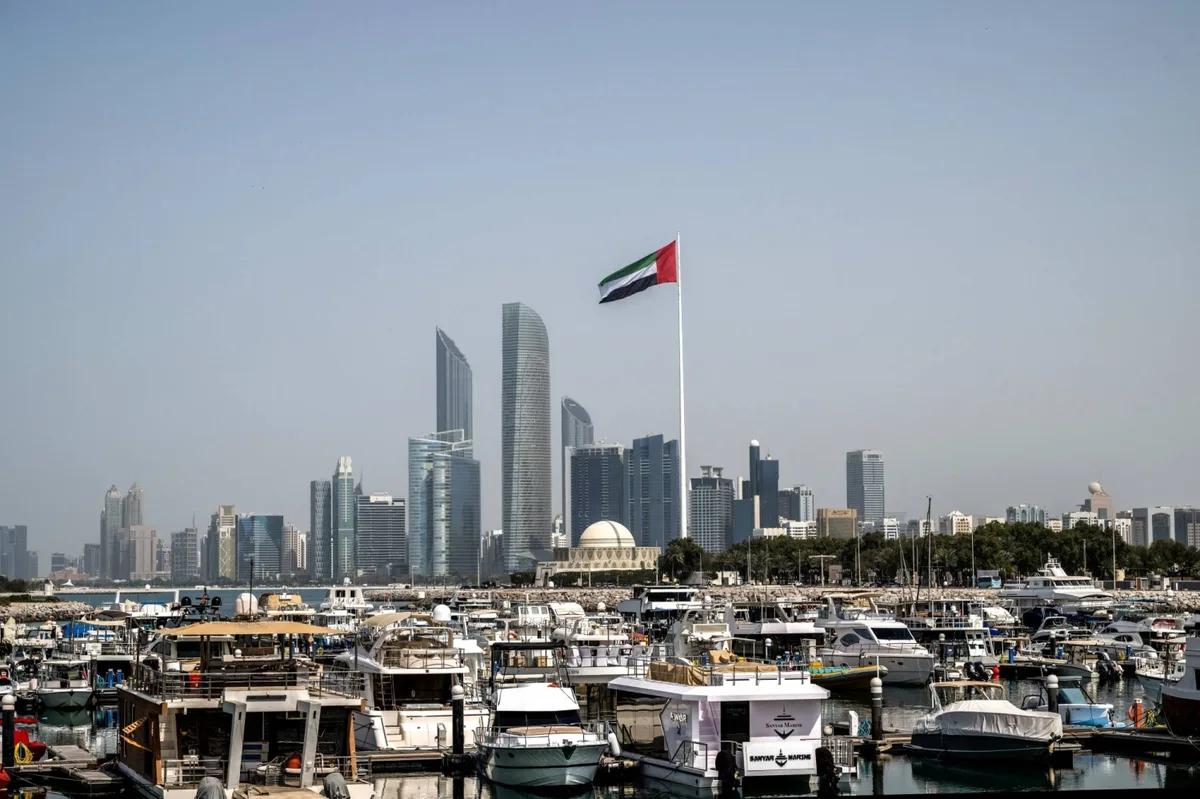
The United Arab Emirates announced a suspension of all trade, commercial exchanges, and financial transactions with Iran on or before August 19, 2026, citing recent regional escalations and alleged missile attacks from Iran targeting UAE maritime interests [1, 2, 3, 4, 5, 6, 7, 8, 9]. The UAE defense ministry reported detecting two ballistic missiles launched from Iran aimed at maritime traffic; both missiles fell into the sea without causing damage [1, 3, 4, 5, 8].
Iran has denied responsibility for the missile launches and called the UAE's claims baseless, labeling them a "false flag operation" orchestrated by Israel and the United States to justify aggression [1, 3, 4, 5, 8]. Iran's foreign ministry emphasized the need to avoid unfounded accusations, asserting the attacks did not originate from Iranian territory [4, 5, 8].
The UAE is a central economic partner for Iran, with bilateral trade amounting to over $21 billion in Iranian imports from the UAE in 2024, making the UAE Iran's largest import source and a key financial gateway [4, 5, 10]. The embargo is seen by analysts as potentially more impactful than U.S. sanctions or naval blockades due to this trade volume. Mark Kimmitt, a retired U.S. general, said, "In many ways, the embargo being put on by the UAE is even more significant than the embargo being put on by the United States" [3].
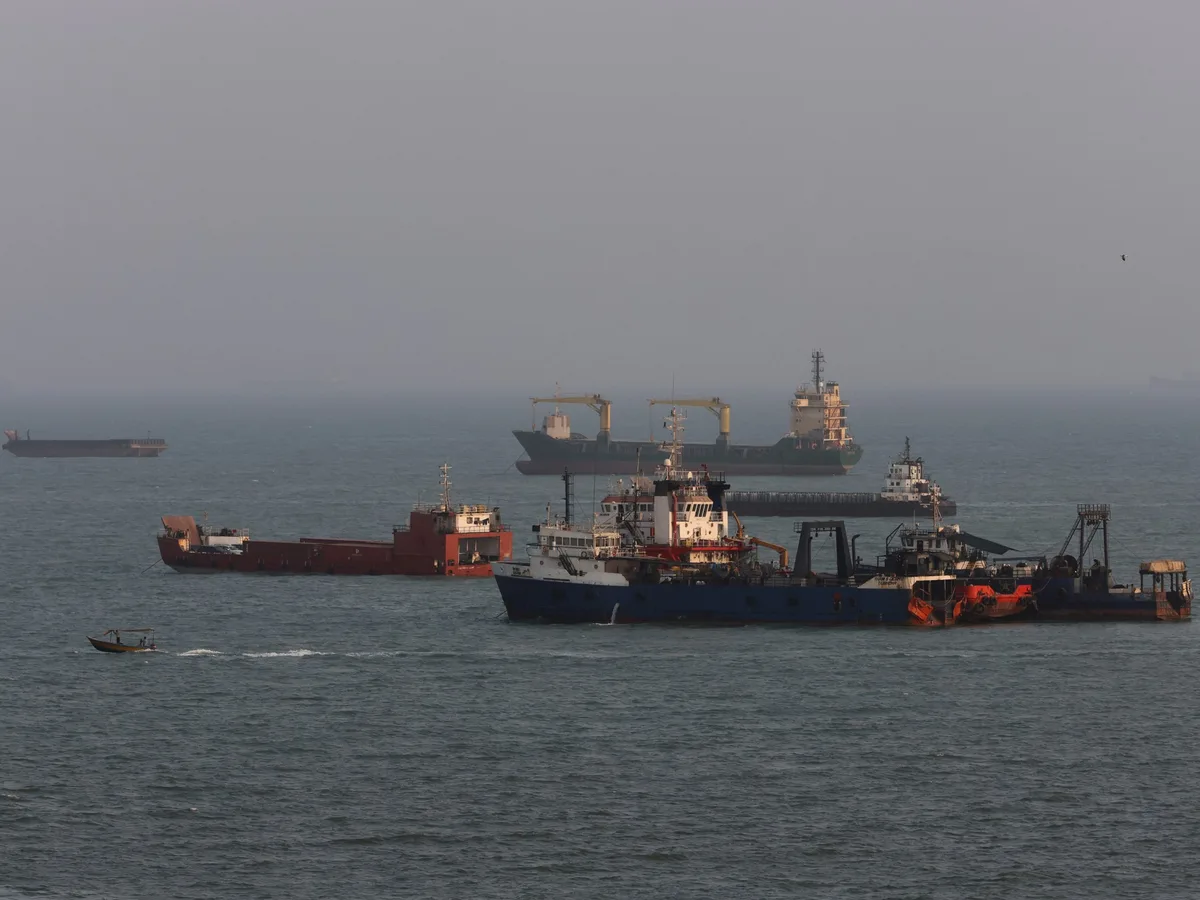
The suspension comes amid repeated attacks on UAE oil interests, including at least three Abu Dhabi National Oil Company (ADNOC) vessels targeted in the strategic Strait of Hormuz in the past week [4, 5]. Since the Middle Eastern war began on February 28, 2026, the UAE has borne the brunt of Iranian missile and drone attacks in the Gulf, facing nearly 3,000 assaults to date and intercepting hundreds of ballistic and cruise missiles as well as thousands of drones [2, 3, 4, 5, 6, 8].
Despite the stand-off, the UAE government affirmed commitment to dialogue, peace, and regional prosperity even as the embargo is in place [1, 4, 8]. Anwar Gargash, diplomatic advisor to the UAE president, denied rumors that the UAE had extended financial facilities to Iran, calling such reports "false and part of desperate media campaigns" [1].
Although some diplomatic engagement occurred between the two countries as recently as June and July 2026, including security talks and resumption of Tehran-Dubai flights, trust remains fragile [4, 5]. The trade and financial suspension marks a major deterioration in ties following escalations viewed by the UAE as threats to regional and international peace and security [1, 2, 3, 4, 5, 6, 8].
The crisis traces to broader regional conflict involving US-Israeli strikes on Iran and Iranian retaliation involving missile and drone attacks targeting the UAE since February 28, 2026 [1, 3, 4, 5, 6, 8]. The last reported missile strike on UAE soil before these recent events occurred at Fujairah port in early May 2026 [1].