The United Kingdom, European Union, and Canada unveiled a new set of sanctions on June 15 and 16 targeting Russia's shadow fleet, military-industrial complex, energy revenues, and financial institutions such as Yandex Bank, part of a Russian tech giant [1, 2, 3, 4, 5, 6, 7, 8, 9].
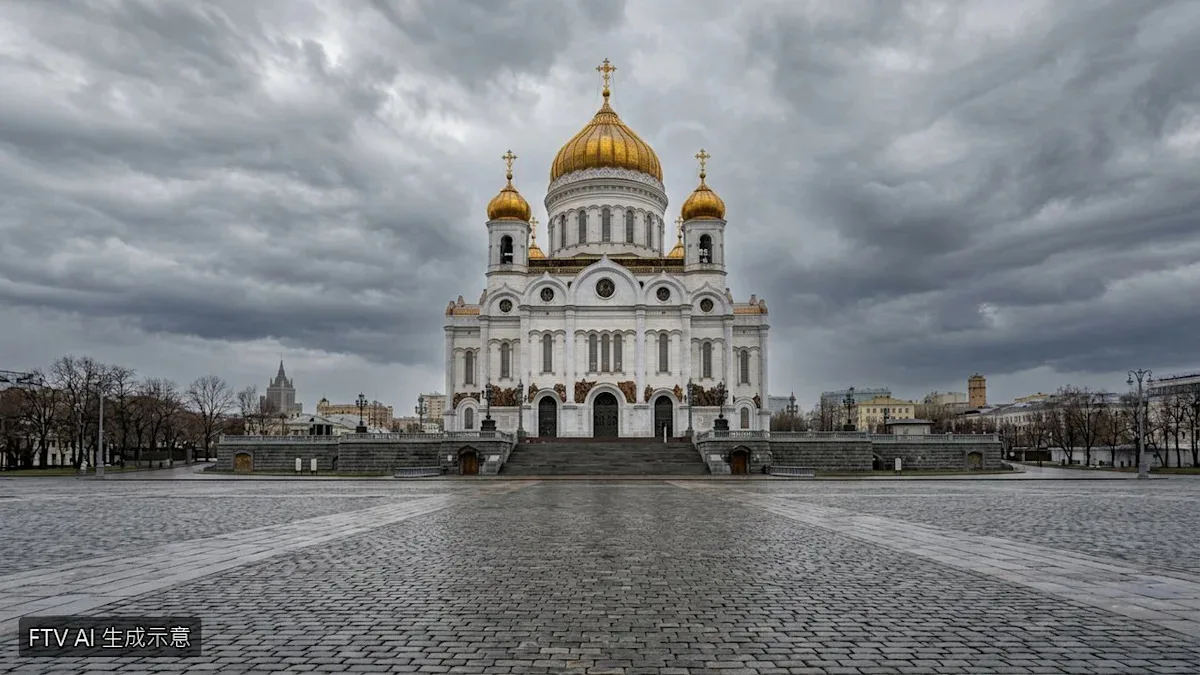
The European Union added 81 new sanction targets, consisting of 34 individuals and 47 entities primarily linked to energy revenue, military industries, political propaganda, and human rights abuses [2, 3, 4, 5, 9]. Included are Russian Orthodox Metropolitan Tikhon, known as President Putin's "confessor," who was sanctioned for spreading pro-invasion propaganda [10]. The EU also targeted two Chinese firms, Shenzhen Minghuaxin Technology and Xinxiang Ruifeng New Materials, accused of supplying high-tech chips and materials to support Russia's military [11, 9].
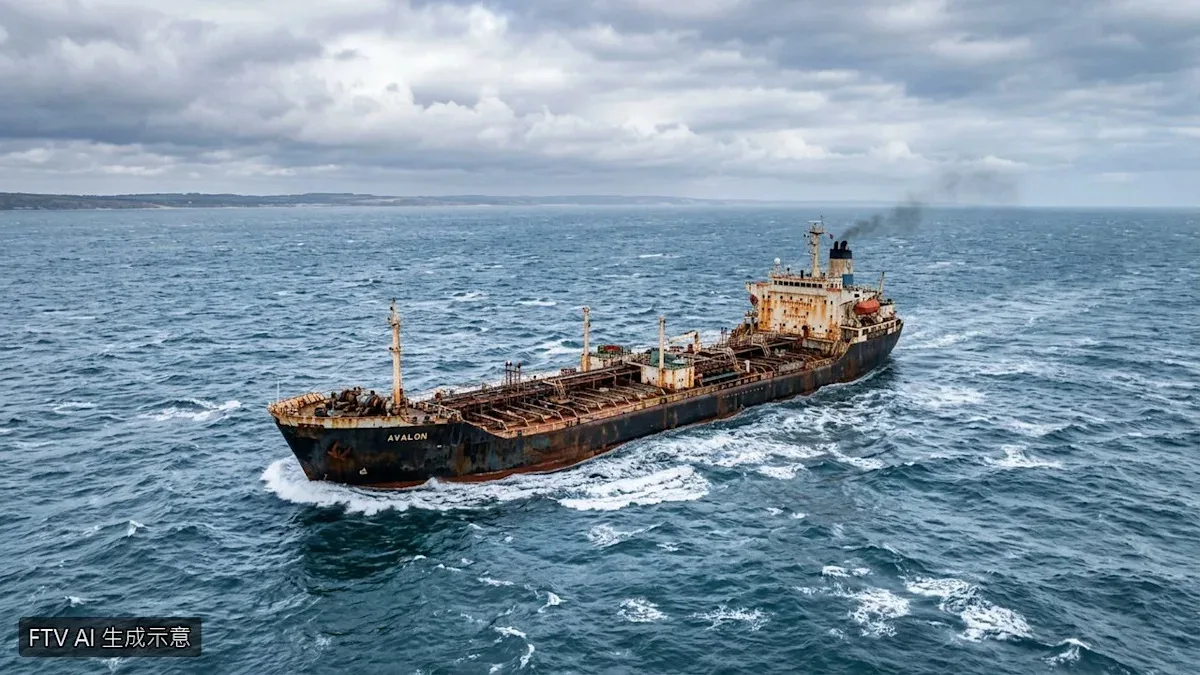
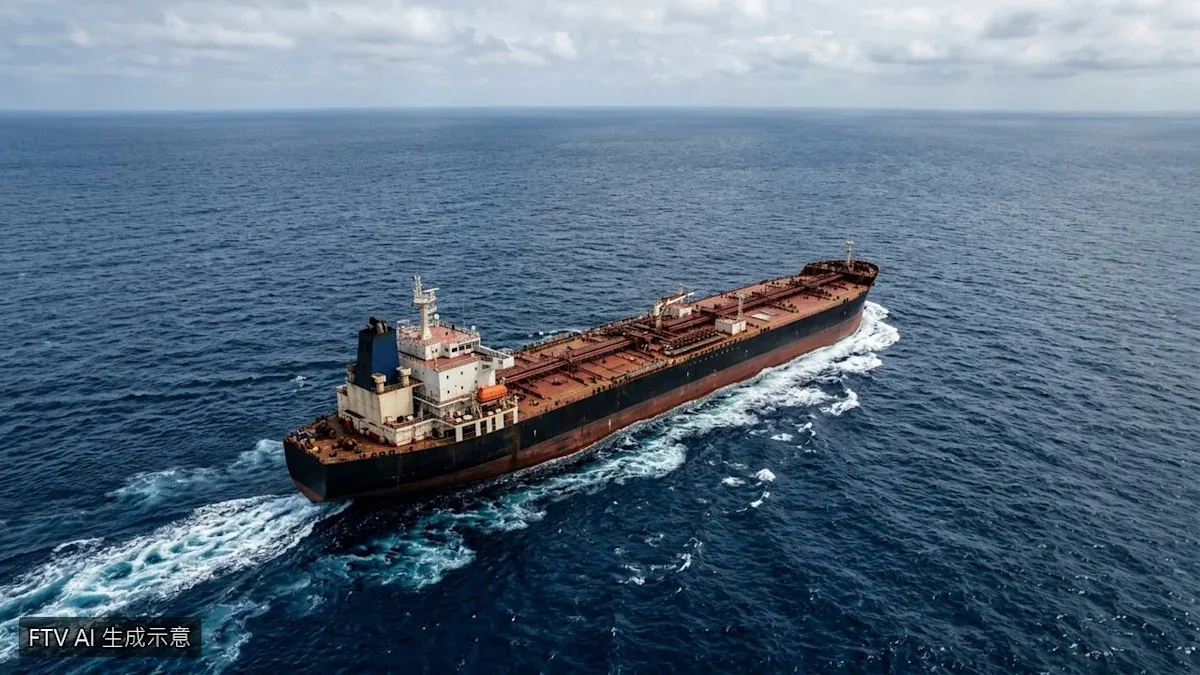
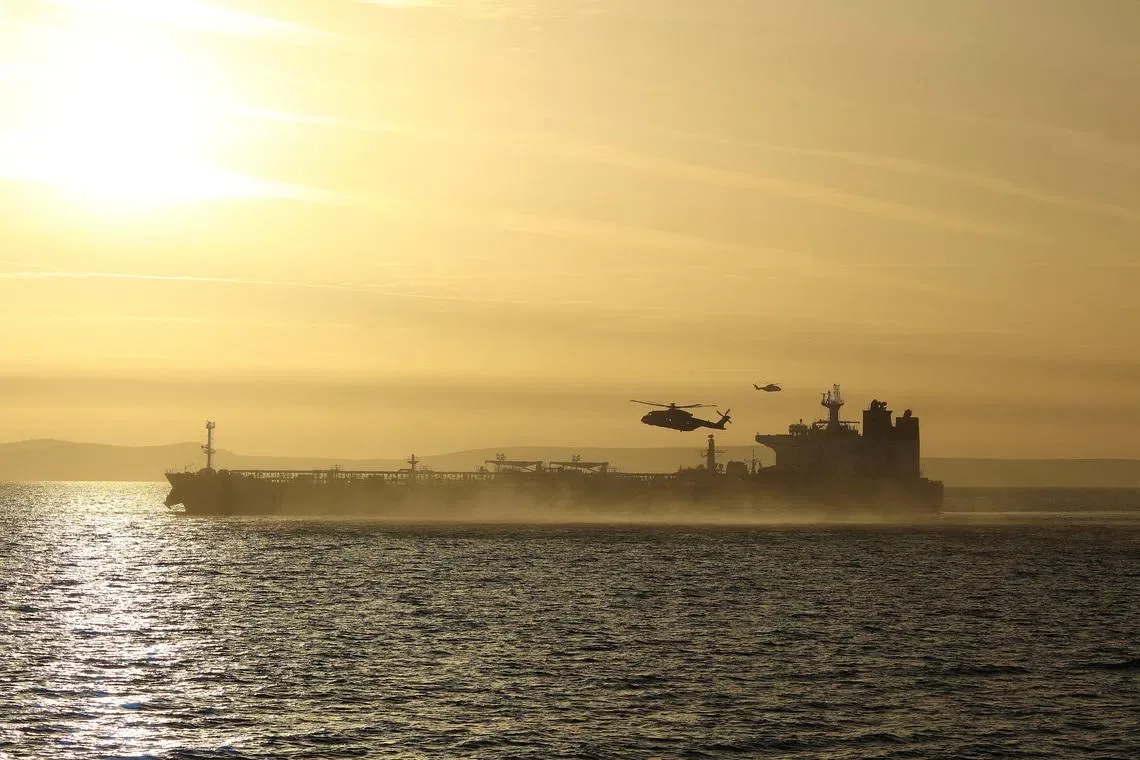
UK sanctions focused on around 20 oil tankers and several LNG carriers tied to Russia's Arctic LNG 2 project. The UK also sanctioned Rosgosstrakh insurer and a secret procurement network called Neptune, which acts as a front for Russia’s GRU military intelligence to acquire Western technology [1, 7, 12]. UK Prime Minister Keir Starmer said, "These sanctions target the vessels, the money and the actors propping up Russia’s war economy, and in turn, threatening European security" [1].
Canada imposed sanctions concentrating on Russia's shadow fleet, energy income, defense industry, and disinformation networks supporting the Kremlin’s war effort, announced after a meeting with Ukrainian President Zelenskyy at the G7 summit [8].
The EU stated that sanctions to date have cost Russia an estimated 1 to 1.3 trillion euros, severely damaging its war economy. EU High Representative Kaja Kallas said, "We have approved a new round of sanctions to further pressure Russia to end the war. Each measure shrinks Russia’s space to maneuver" [2, 3, 4, 5, 9].
Additional EU sanctions targeted individuals involved in producing and supplying drones and weapons to Russian forces as well as propagandists and human rights violators [10, 11, 9].
The EU also extended sanctions related to Crimea until June 23, 2027 [11].
The UK has sanctioned more than 600 vessels to date that have been linked to evading western energy sanctions, with the latest round adding about 20 oil tankers [1, 12]. The UK also announced £210 million aid to Ukraine’s Energoatom nuclear company [12].
Together, the UK, EU, and Canada reiterated their support for Ukraine’s sovereignty and territorial integrity, calling for Russia’s unconditional, immediate ceasefire and meaningful negotiations [2, 3, 4, 5, 9]. The EU is preparing a 21st package of sanctions to build on this latest round [2, 4, 5].