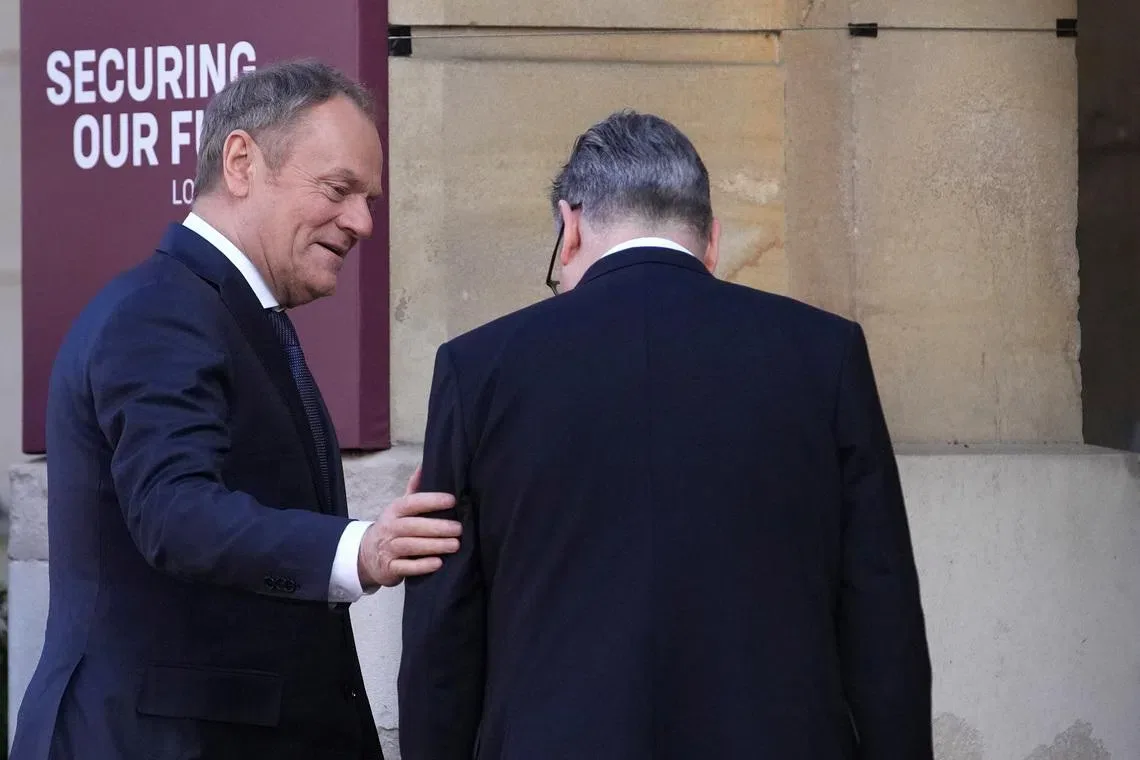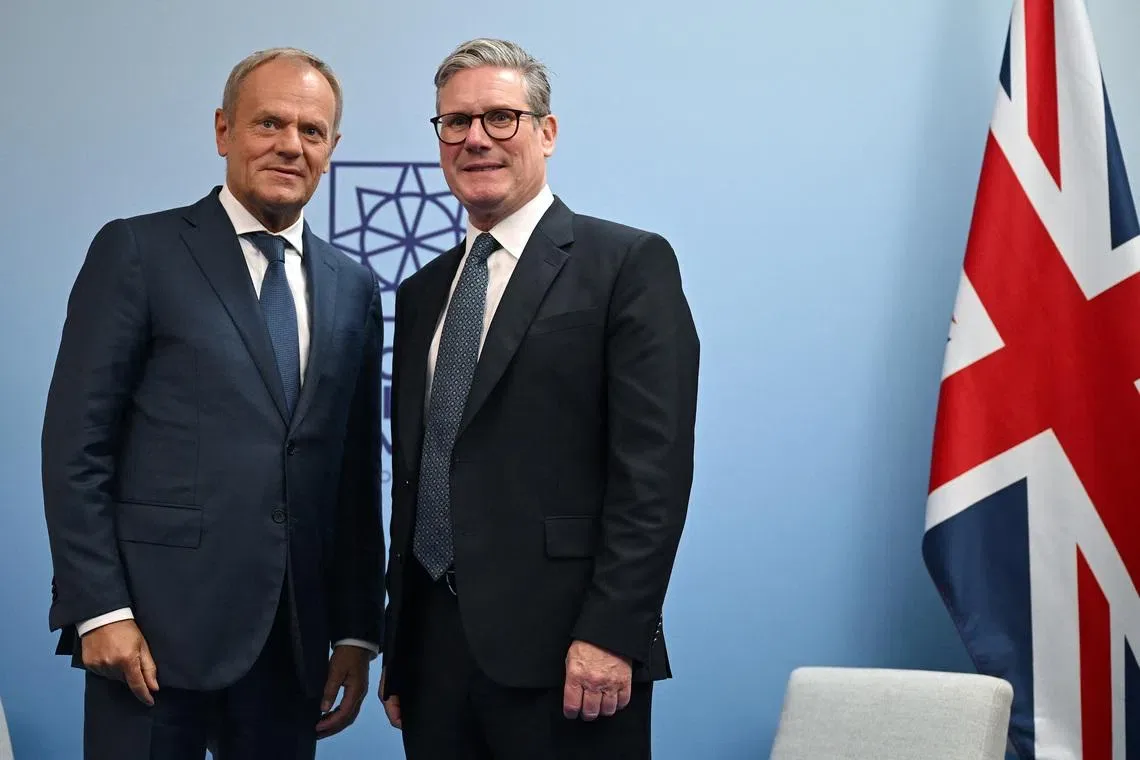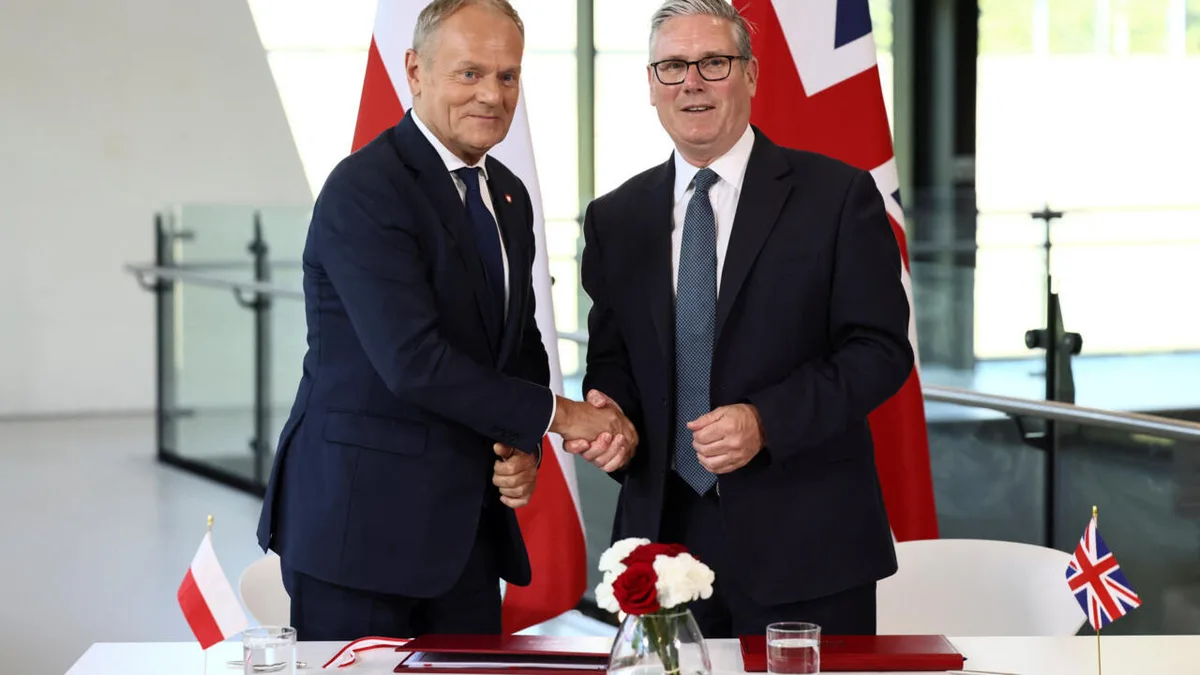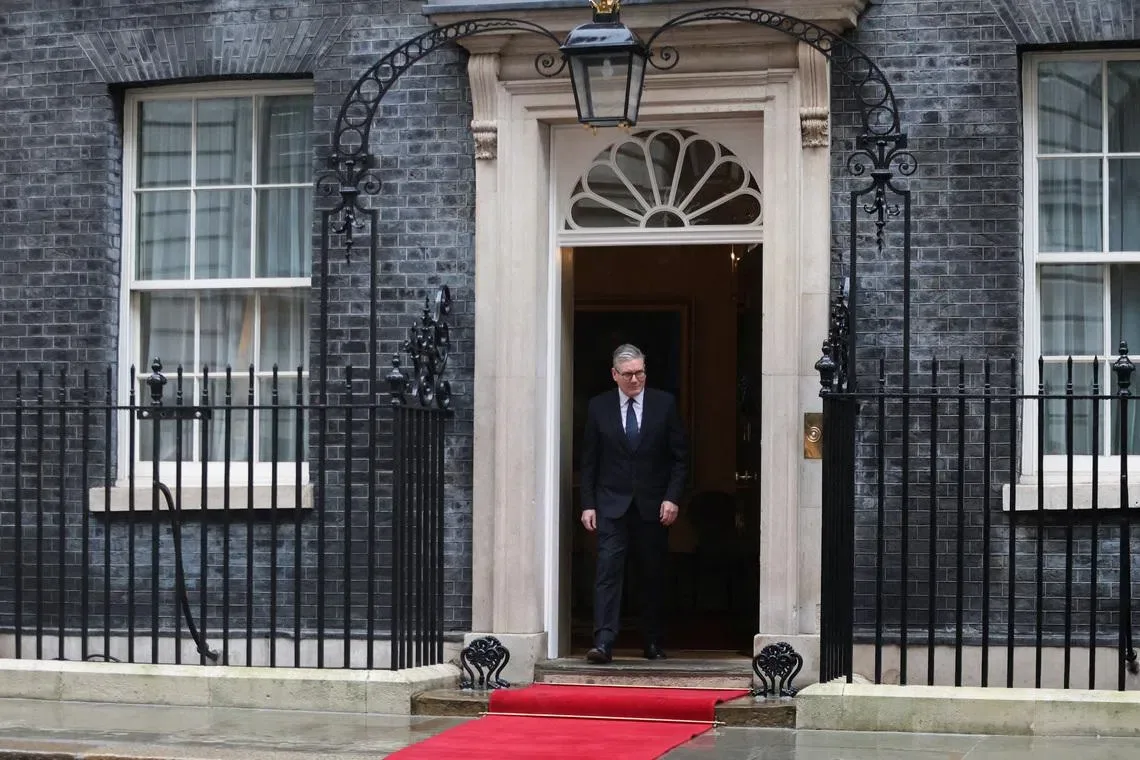
UK Prime Minister Keir Starmer and Polish Prime Minister Donald Tusk signed a new defence and security treaty in London on May 27, 2026, aiming to deepen military cooperation and enhance security between the two countries [1, 2, 3, 4, 5, 6, 7, 8, 9].
The treaty focuses on boosting defence collaboration, improving border security, combating organised crime, and strengthening cybersecurity [1, 3, 5, 6, 7, 8, 9]. Both leaders highlighted countering Russian aggression as a key priority, viewing it as a long-term strategic threat to Poland, the UK, and NATO [1, 2, 3, 4, 5, 6, 7, 8, 9]. Prime Minister Starmer said, "There's no greater challenge for either of our countries than the challenge of Russian aggression" [4], while Tusk called the pact "a historic moment" and noted that "both sides emphasize that Russia is a strategic threat, also a long-term one" [1, 2].
The treaty facilitates joint development and production of advanced weapons systems. It enables UK-Poland collaboration on next-generation complex arms including medium-range air defence missiles and precision-guided munitions [1, 3, 4, 7, 9]. It also supports expanded joint land force exercises and the use of unmanned autonomous systems to strengthen NATO’s eastern flank [4, 8, 9].
Cybersecurity plays a major role due to Poland’s position as a key hub for military aid to Ukraine and a frequent target of Russian espionage, cyberattacks, and disinformation campaigns [1, 2, 3, 6, 7, 8]. Tusk said the treaty "focuses significantly on cybersecurity given Poland’s role as a hub for military aid to Ukraine and consequent targeting by Russian espionage and cyberattacks" [3]. Enhanced information sharing will help counter hybrid threats including cyberattacks, espionage, disinformation, and hybrid warfare tactics [1, 2, 3, 6, 7, 8, 9].
The agreement reaffirmed both countries’ "ironclad commitment to NATO as the cornerstone of Euro-Atlantic security" [5]. It builds on Poland’s 2025 defence treaty with France and ongoing talks with Germany to strengthen defence cooperation [1, 3, 6, 7, 8]. Starmer called it "the biggest step forward in our defence and security relationship with Poland in a generation" [3] and said "the challenges Europe now faces demands an even stronger partnership" [1].
The signing marks a generational uplift in UK-Poland defence relations as both countries work to bolster mutual security amidst growing Russian threats [1, 3, 4, 7].