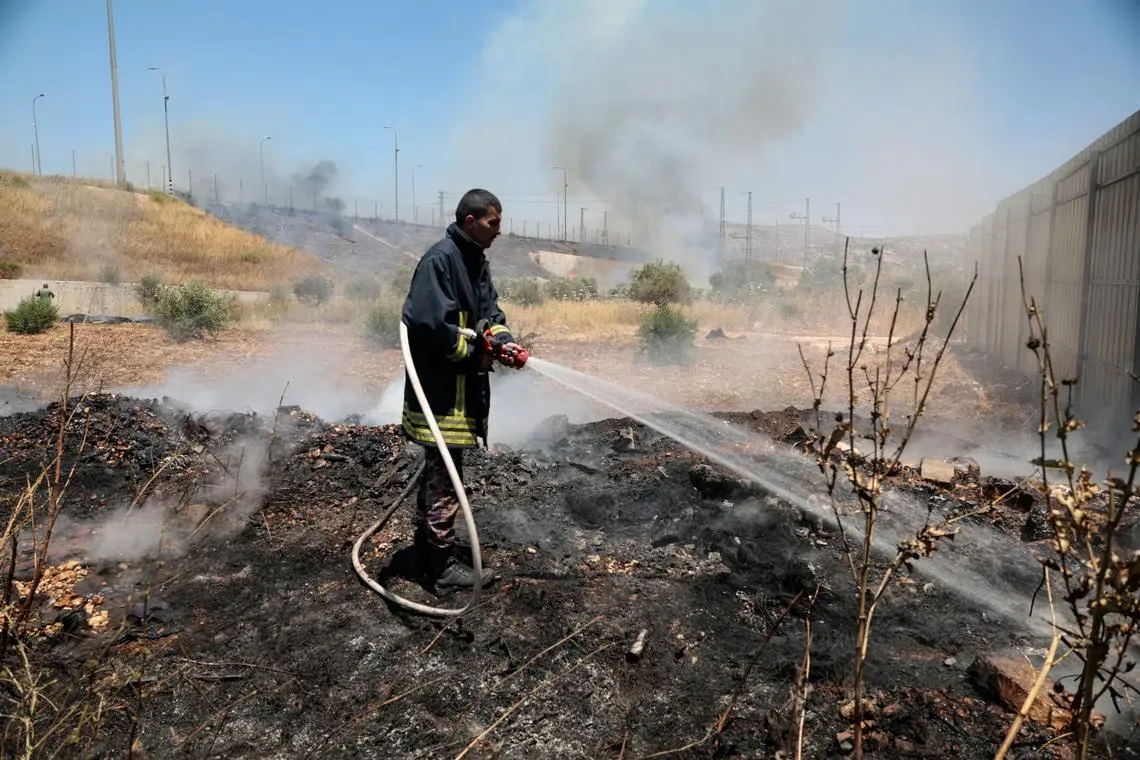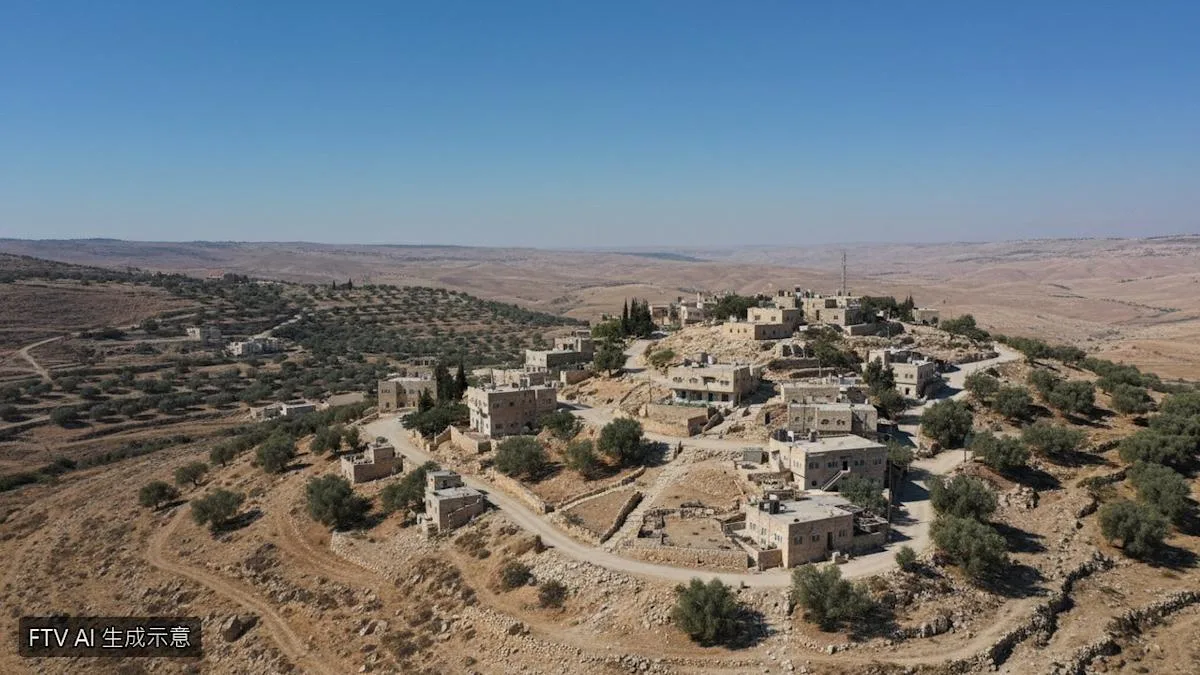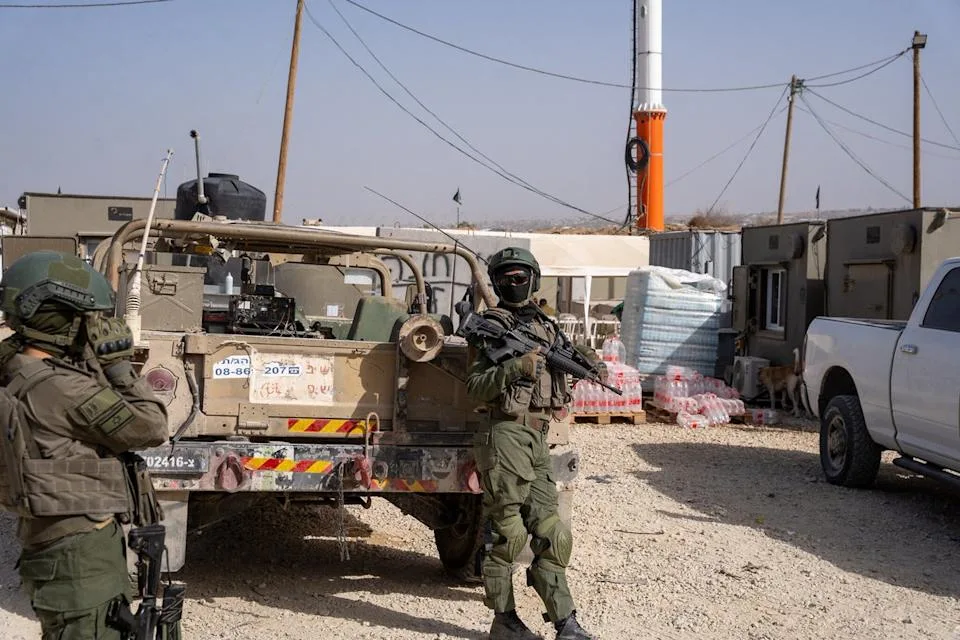
Britain, Canada, France, and Norway announced coordinated sanctions on June 9, 2026, targeting Israeli networks involved in financing, enabling, and carrying out violence in the Israeli-occupied West Bank [1, 2, 3, 4, 5]. The measures focus on Israeli settlers and organizations responsible for violence against Palestinian civilians and settlement expansion in the West Bank [1, 2, 6, 3, 4, 5].
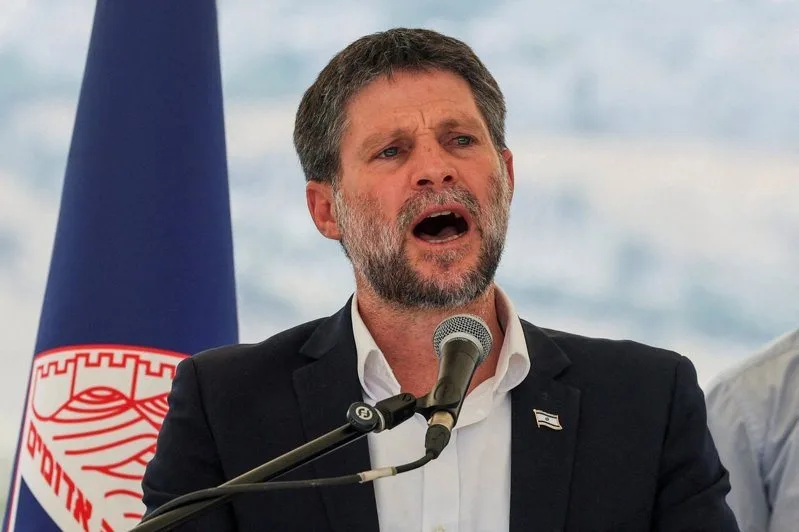
These sanctions build on earlier steps by Australia and New Zealand, reflecting Western countries' anger at Israeli Prime Minister Benjamin Netanyahu’s government's ongoing settlement expansion [1, 2, 3]. France in particular imposed travel bans on Israeli Finance Minister Bezalel Smotrich, citing his promotion of annexation and settlement policies deemed unacceptable by the international community [1, 7, 3, 4]. Four settler organization leaders and 21 settlers implicated in violent activities have also been banned from entering France [7, 3, 4].
UK Foreign Minister Yvette Cooper urged British businesses and citizens to avoid financial dealings in illegal settlements to prevent profiting from occupied land. She said violent groups must not gain from seized territories [4]. France's Foreign Minister Jean-Noel Barrot clarified the ban on Smotrich as a response to his active push for annexation and settlement expansion, policies that undermine the two-state solution supported by many countries [4].
The Israeli Foreign Ministry condemned the sanctions as "shameful" political acts interfering with Jewish settlement rights. Spokesman Oren Marmorstein accused Western countries of failing to control antisemitism and interfering in Israel’s internal affairs [1, 2, 6, 3, 4]. Yisrael Ganz, head of the Yesha Council representing settlement councils, called for dismantling the Palestinian Authority and expanding Israeli sovereignty in the West Bank [1, 2]. He argued Israel's parliament should strengthen control over the territory.
Since January, over 800 incidents of settler violence against Palestinians have been recorded across more than 220 West Bank communities, contributing to worsening local security [5]. Diplomats and Western officials say the violence aims to undermine chances for a two-state solution [1, 2, 4, 5]. The United Nations and most countries consider Israeli settlements illegal under international law, though Israel disputes this [1, 3].
The coordinated sanctions include financial measures against companies linked to settlement expansion and violence, including construction firms [1, 3]. On June 8, the five countries initially issued coordinated sanctions against Israeli settlers, with the UK, Canada, France, and Norway publicly announcing them the following day [5, 1, 2, 3, 4].
The latest actions signal increased Western pressure on Israel amid escalating violence in the West Bank, which has intensified since the October 2023 Gaza war escalation that left over 1,080 Palestinians dead [4].
Officials involved have said, "We continue to urge the Government of Israel to take action to ensure meaningful accountability for violence in the West Bank" [1]. The sanctions remain in effect as governments monitor compliance and further developments in the region.