On July 6, 2026, the UK government imposed stricter regulations on overseas political donations to safeguard elections from foreign influence [1, 2, 3, 4, 5, 6]. Political candidates must now declare any donations exceeding £2,230 received before standing and prove the legitimacy of pre-candidacy funding [1, 2, 3, 4, 5, 6].
Individuals moving to the UK are required to have permanent residency for at least one year before donating £100,000 or more [1, 2, 3, 4, 5, 6]. For donations from companies, eligibility will be assessed based on past post-tax profits instead of revenue, ensuring a genuine UK connection [1, 2, 3, 4, 5, 6].
The changes follow a 2025 government review that uncovered persistent foreign attempts to influence UK politics, particularly by Russia, China, and Iran [1, 2, 3, 4, 5, 6]. The review was triggered by the jailing of a Reform UK politician convicted of accepting bribes for delivering pro-Russia speeches [1, 2, 3, 4, 5, 6].
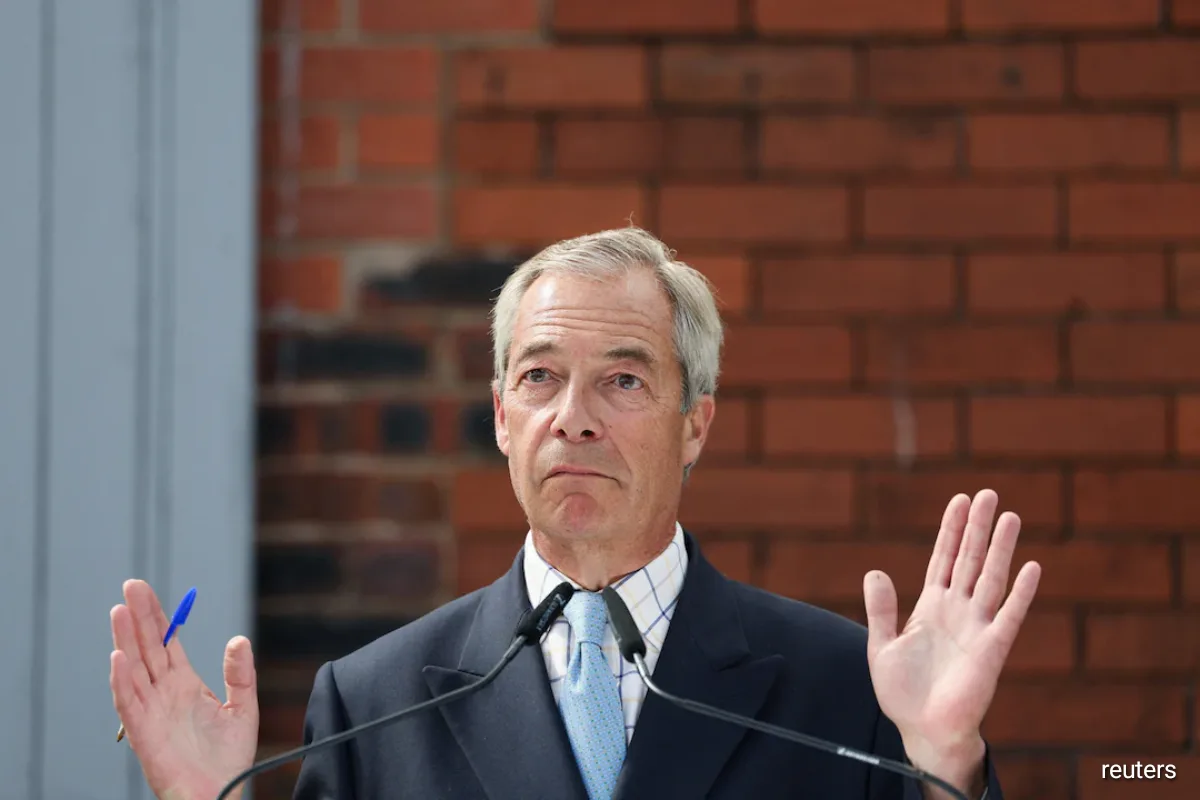
Nigel Farage, leader of Reform UK, is currently under investigation by the parliamentary standards watchdog for allegedly failing to declare a £5 million donation from a Thailand-based cryptocurrency billionaire received ahead of his candidacy [1, 2, 3, 4, 5, 6]. The case was transferred for investigation on August 5, 2026 [5, 6].
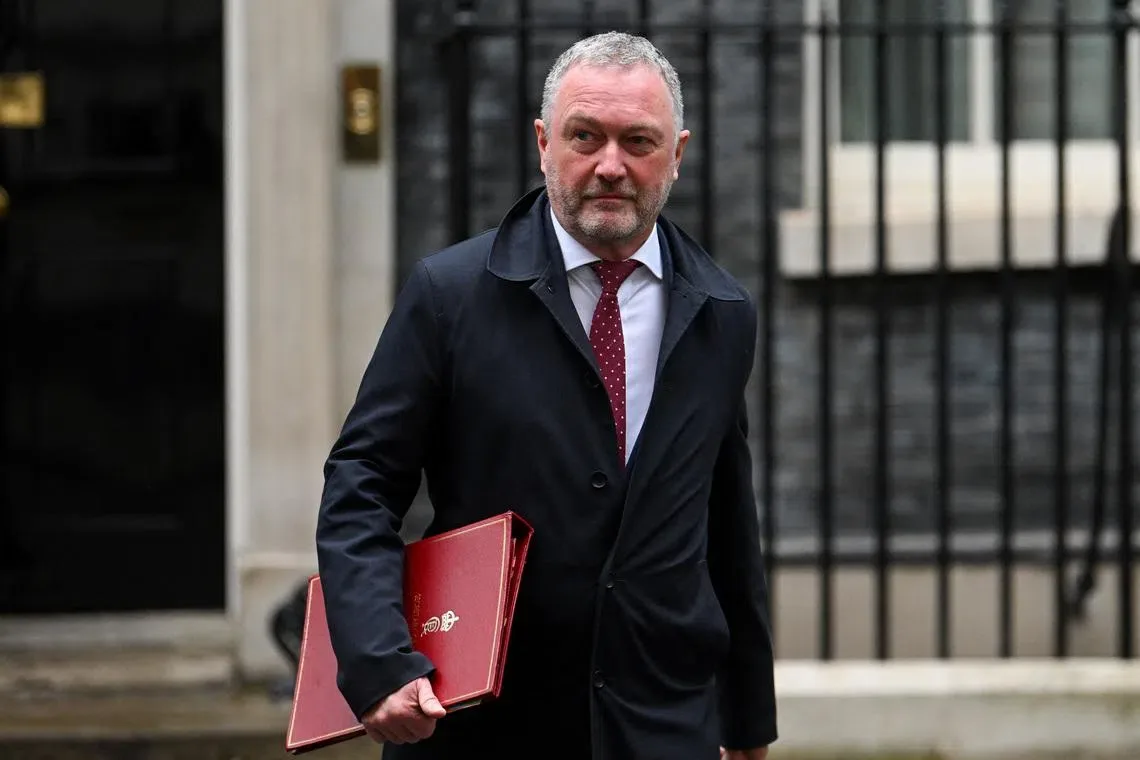
Prior to these new rules, the government had capped donations by Britons living abroad at £100,000 per year and banned cryptocurrency donations until regulatory frameworks are established [2, 3, 4, 5, 6]. Steve Reed, UK Housing Minister, said, "By holding overseas donors to tougher standards and requiring candidates to prove where their funding comes from, we are taking world-leading action to protect the integrity of our elections and tackle the threats we face from abroad" [1].
The new rules took effect immediately on July 6, 2026 [1, 2, 3, 4, 5, 6].