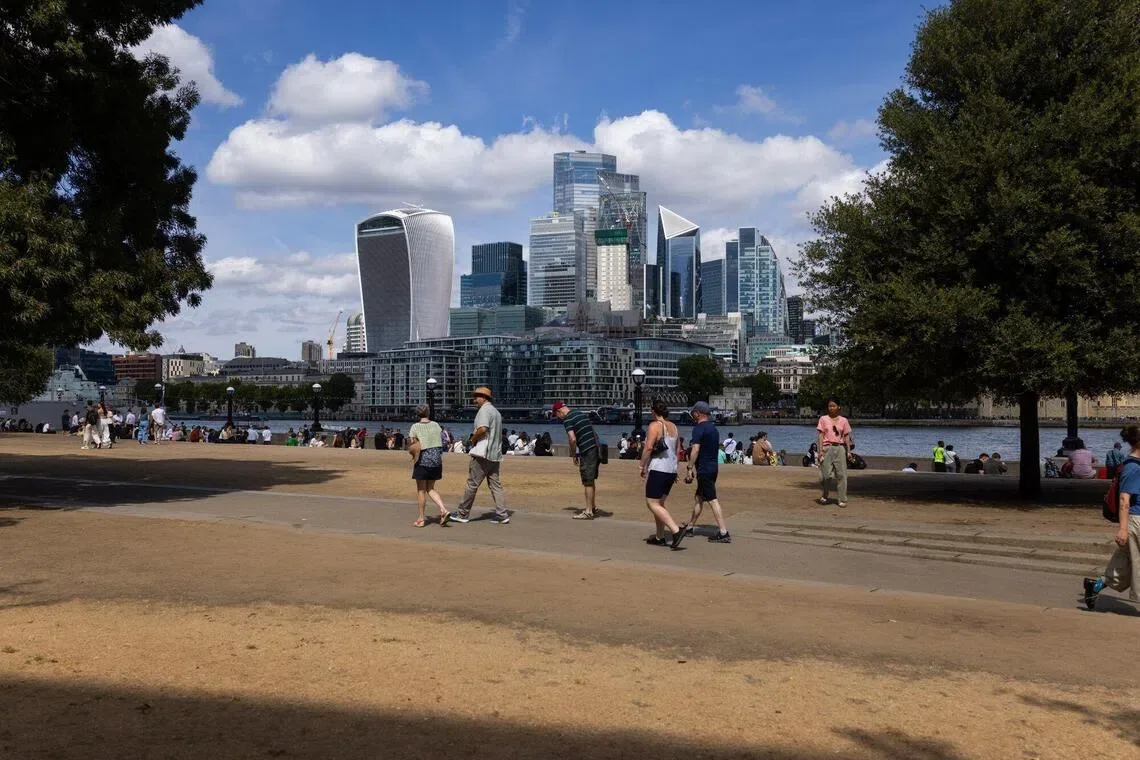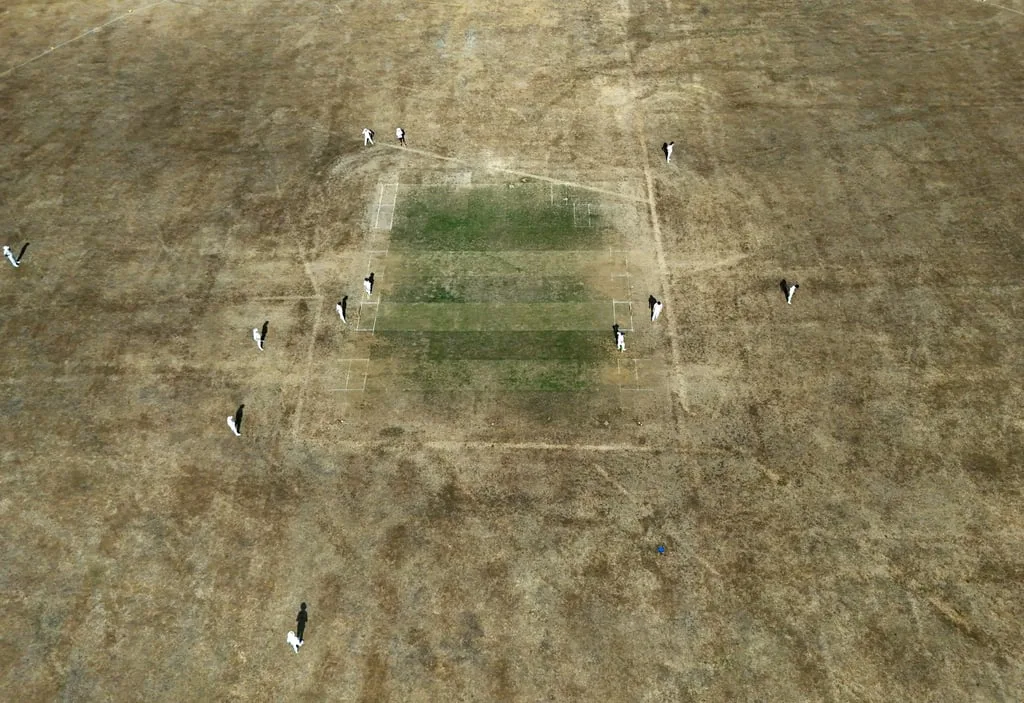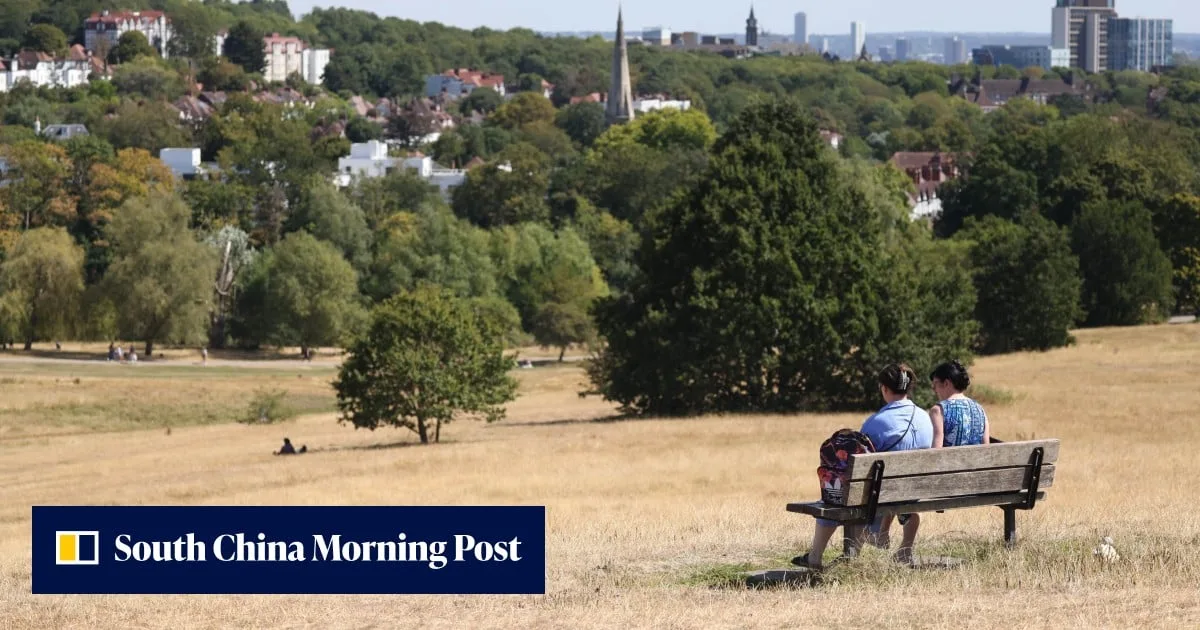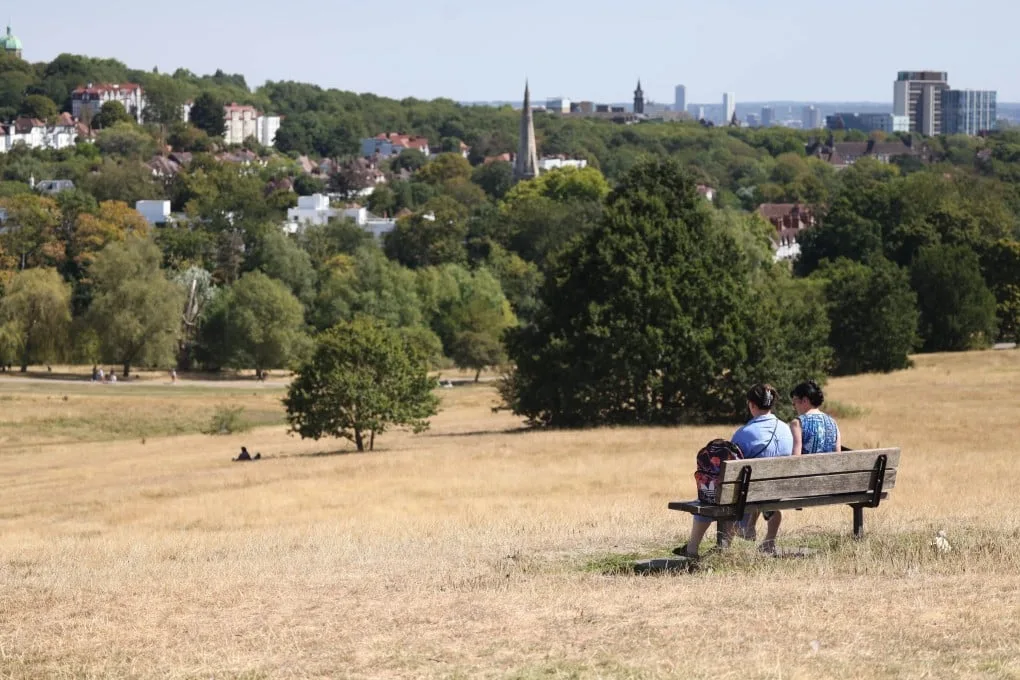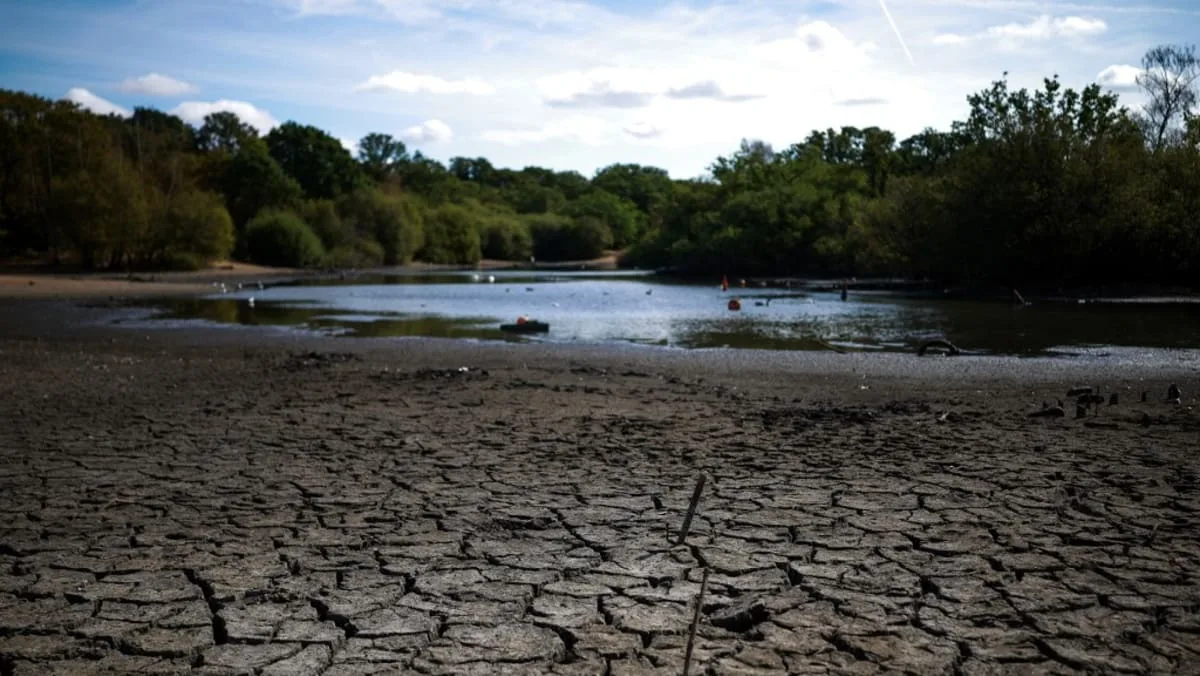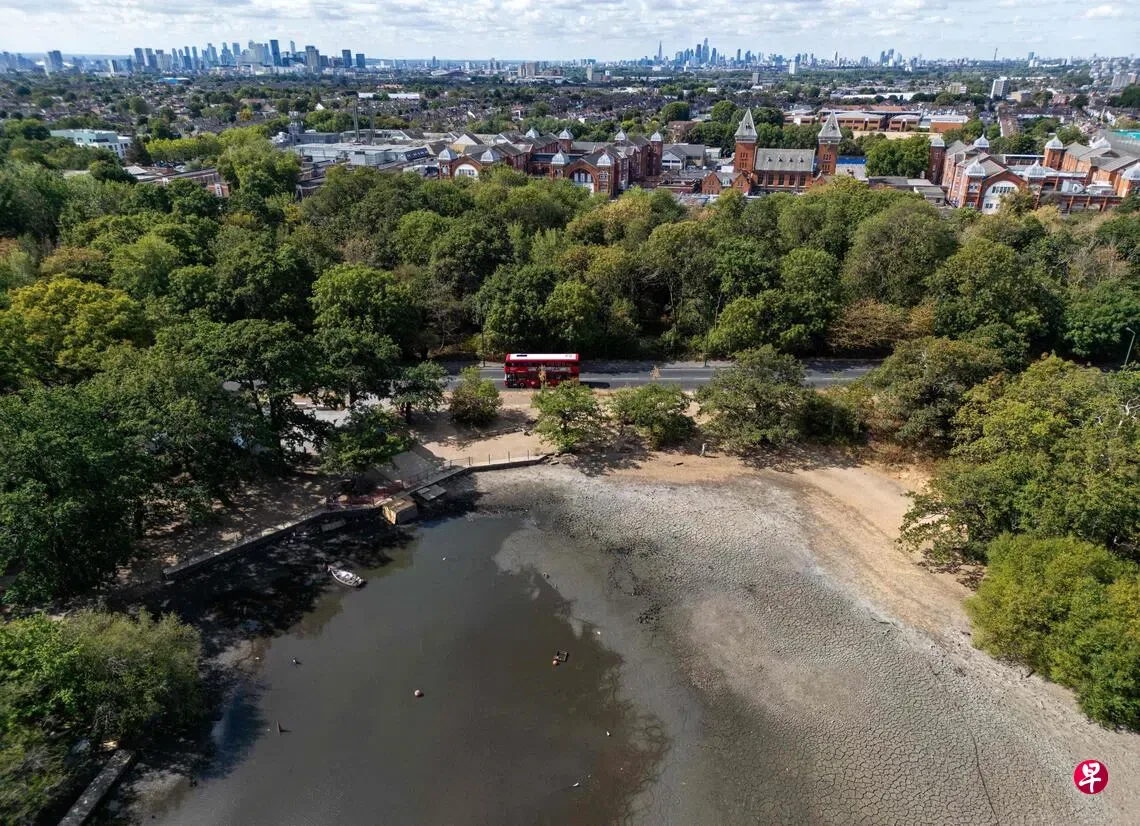
As of August 10, 2026, about 71.3% of England is officially in drought following the driest July on record, the UK government announced [1, 2, 3]. England and Wales recorded their driest July ever, with England receiving only 10% of its long-term average rainfall for the month [1, 3, 4]. The drought has been described as a "flash drought" caused by very low rainfall combined with high temperatures developing rapidly since early August [1, 2, 4].
All regions of England are under pressure from water shortages, with no area classified as having normal water conditions, according to officials [1, 2]. Around 45 million people in England live in drought zones, and more than 27 million face water use restrictions such as irrigation limits and hosepipe bans [1, 2, 5]. This marks the third drought year in the UK within the past five years [1, 3].
The country is also facing its fifth heatwave this summer, with temperatures forecast to reach the mid-30s Celsius in some areas [1, 5, 4]. Farmers have warned of potential food shortages due to low crop yields from drought and heat stress [1, 3].
Reservoir levels dropped by 16% during July alone, the largest July decline in at least 30 years [2]. Only 14% of rivers have normal water levels, while 22% are at abnormally low levels [2]. Tony Grayling, chair of the National Drought Group and Environment Agency official, said: "Almost three-quarters of England is now in drought as conditions worsen following a dry start to August. We know the hot and dry weather is taking a real toll on farming and there will be long-lasting impacts on our environment" [1]. He added the drought will worsen without "significant sustained rainfall" and urged public water conservation to preserve existing supplies [2].
Scientists have linked the increased frequency and intensity of droughts and heatwaves to climate change [1, 4]. The UK Met Office warned that dry conditions and further heatwaves are expected through August and into September [1, 2].
The UK government has formed a National Drought Group to coordinate responses and imposed water use restrictions and bans in affected areas [2, 6]. On August 10, the group met to assess the situation and plan further measures [2].