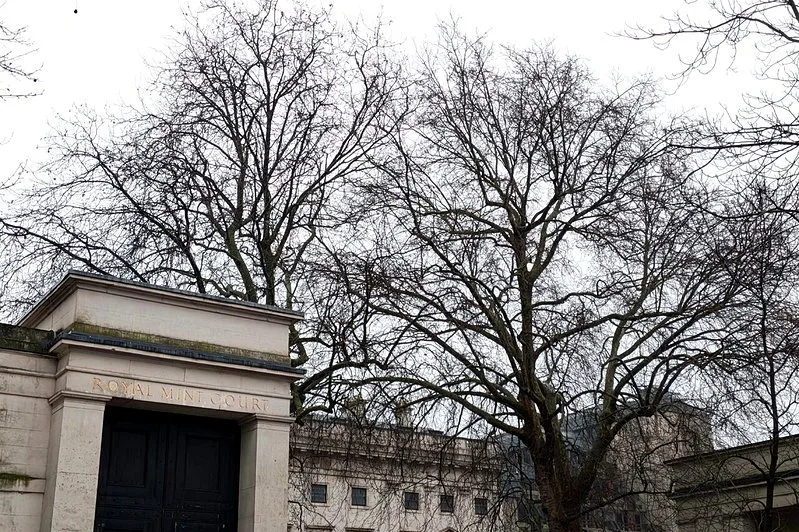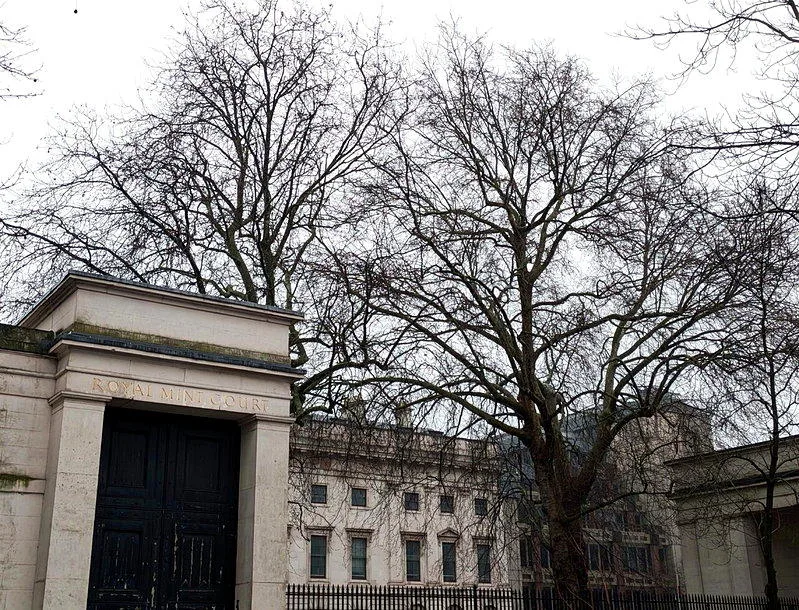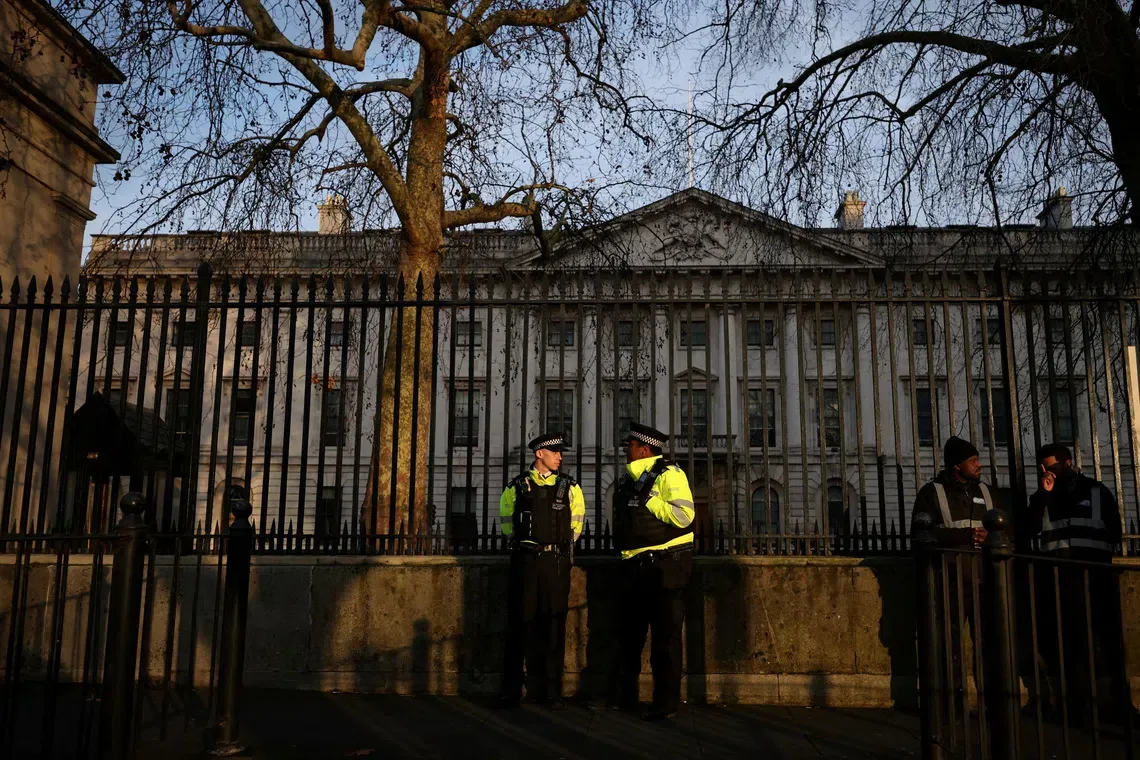
The UK High Court ruled on July 31, 2026, that the British government lawfully approved China’s construction of a large new embassy at Royal Mint Court in London, dismissing a legal challenge by local residents and groups [1, 2, 3, 4, 5, 6, 7]. The court found no sufficient evidence that the embassy’s presence would infringe personal rights or violate laws [1, 2, 3, 6].
China purchased the Royal Mint Court site in 2018 for about $327 million and plans to build the largest embassy in the UK by area, consolidating seven existing embassy offices [2, 8, 3, 4, 5, 6, 7]. The embassy is projected to exceed 50,000 square metres in floor space, making it London’s largest embassy by size [5].
Residents and local associations challenged the approval, citing concerns including national security risks, spying, repression of protests, human rights abuses, and safety hazards like fire risks due to diplomatic immunity [1, 2, 8, 3, 4, 5]. Around 100 households near the site objected, fearing reduced property rights and that Chinese law might be enforced adjacent to their homes [8, 4, 7]. Luke Pollard, head of the Royal Mint Court Residents Association, said, "Beijing thinks this judgment is the final word. It isn’t... If they expect us to roll over and allow our own capital to become a CCP power centre, they have completely misjudged the strength of opposition" [2].
National security concerns focus on the embassy’s proximity to critical London underground cables and telecom infrastructure linked to UK defense and intelligence [8, 4, 7]. UK intelligence agencies MI5 and GCHQ recognize that fully eliminating risks from foreign embassies is unrealistic but are working on mitigation [8, 4, 7]. The UK government plans to remove some underground cables near the site at public expense to reduce security concerns [8, 4, 7].
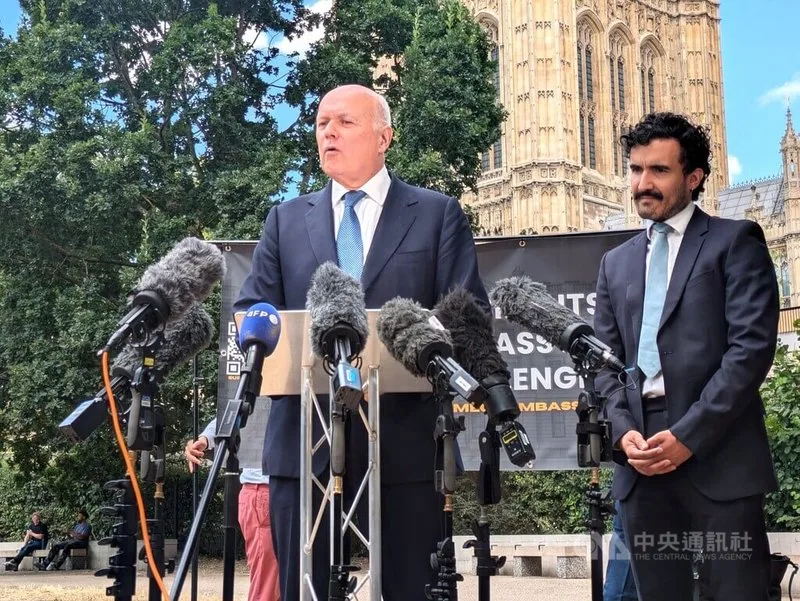
A UK Conservative MP and IPAC co-chair, Iain Duncan Smith, criticized past UK governments for being too soft on China and questioned the site choice near financial districts and sensitive cables. He said, "China could choose another site, rather than occupy a historic London landmark that neighbors vital cables linked to UK defense and intelligence" [8, 4, 7].
Despite the High Court ruling, the Royal Mint Court Residents Association and NGO IPAC announced they will appeal the decision within the 21-day legal deadline, halting embassy construction until the appeal is resolved [2, 8, 4, 7]. Luke de Pulford of IPAC said, "Until the appeals process finishes, construction by China cannot proceed" [8]. Legal fundraising for the challenge has raised more than £220,000 [8, 4, 7].
The appeal process may delay construction for over six months, with hearings unlikely to be scheduled soon [8, 4, 7]. The next concrete step is the pending appeal filing by mid-August 2026, which will determine the future timeline of the embassy project.