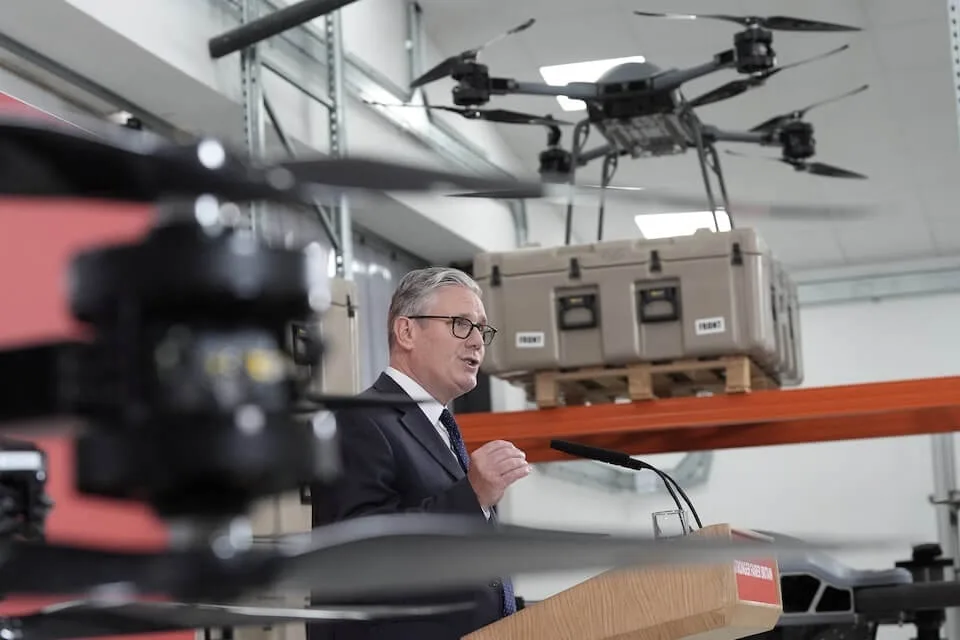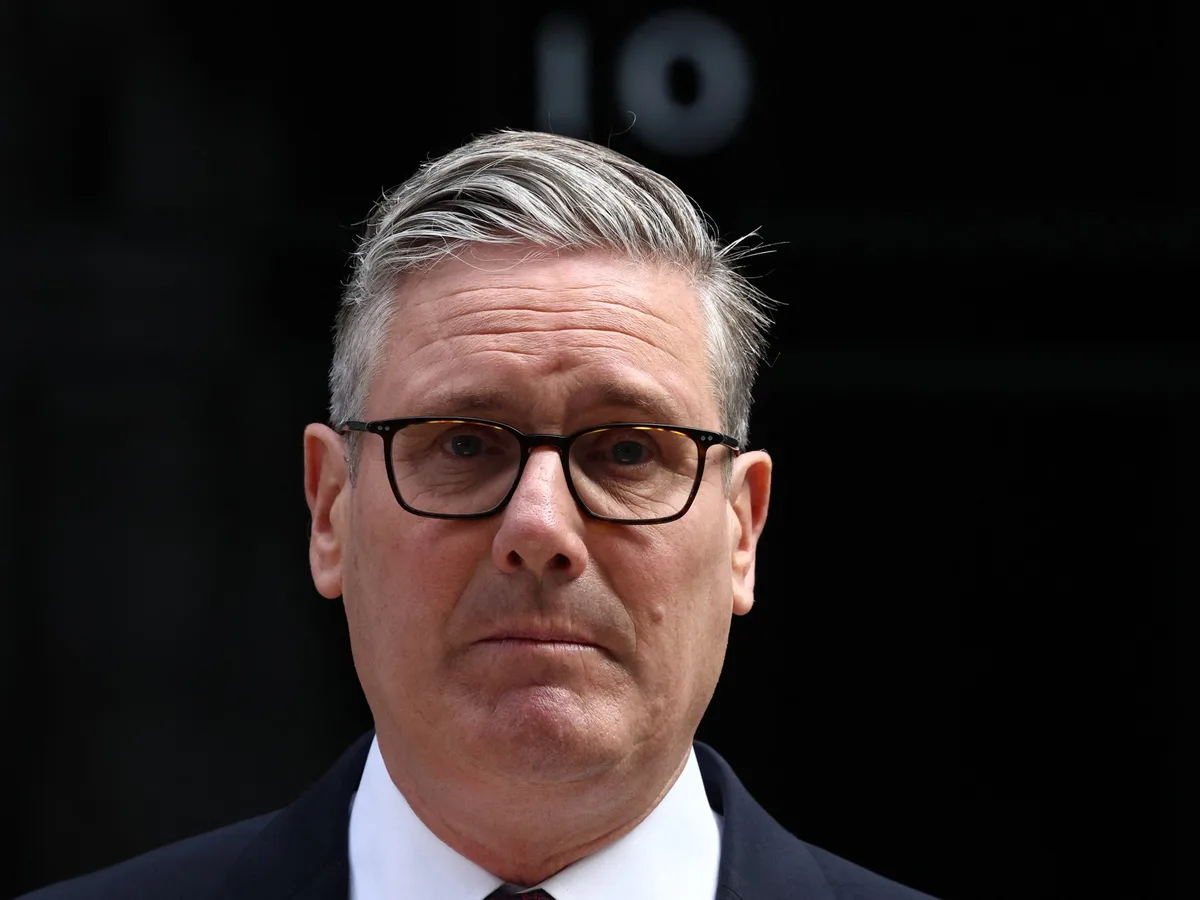
UK Prime Minister Keir Starmer unveiled a £300 billion defence investment plan on June 30, 2026, aiming to modernize the armed forces amid rising global security threats [1, 2, 3, 4]. The plan includes a £15 billion increase in defence spending over four years and targets nearly £80 billion in annual defence expenditure by 2029 [1, 2, 3, 4].
Starmer said, "Last year I made the decision in the national interest to reprioritise aid spending towards defence and achieved the biggest uplift in defence spending since the end of the Cold War" [1]. He added, "When the whole world is rearming, aggression is increasing, the best way to avoid war is to be prepared, and the best way to defend is deterrence, which is having power that makes opponents think twice before acting" [2].
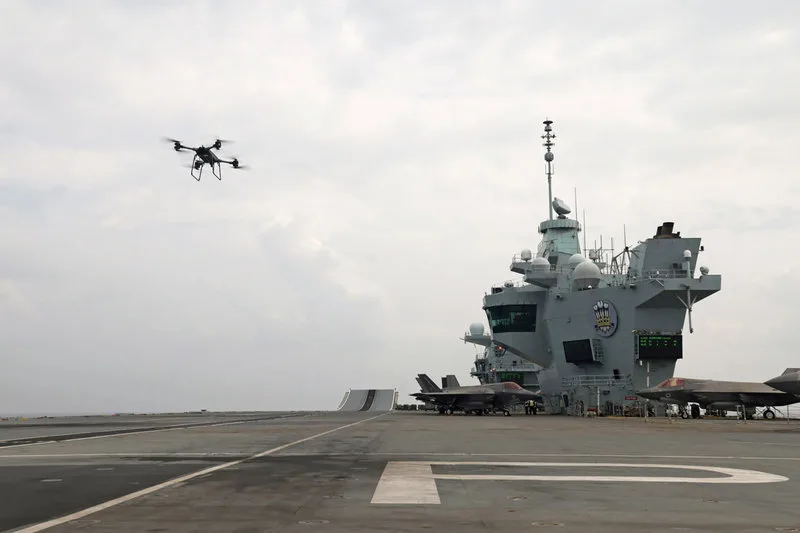
More than £5 billion will be allocated to drones and autonomous systems— the largest ever UK armed forces investment in unmanned technology [1, 5, 6, 7, 8, 4]. Starmer described this allocation as "building a Hybrid Navy and enhancing the Army’s lethality" [7].
The UK plans to develop a Hybrid Navy integrating manned and unmanned platforms. This includes new unmanned missile platforms (Type 91), underwater sensing vessels (Type 92 and 94), and large unmanned underwater vehicles (Type 93) [5, 6, 7, 8].
The Army aims to deploy 24 autonomous armed drones by 2030 to operate alongside Apache attack helicopters in roles including reconnaissance, precision strikes, and electronic warfare [5, 6, 7, 8]. The Royal Air Force will develop autonomous combat aircraft to fly alongside manned fighters, with demonstration flights expected before 2030. An advanced drone, Storm Shroud, is set to enter service in 2026 [5, 6, 7, 8].
In June 2026, the UK government opened the largest European Unmanned Systems Centre in Swindon for testing and developing military autonomous systems [5, 6, 7, 8].
Starmer also announced plans to enhance the UK's nuclear deterrent and support next-generation stealth fighter jet development [2, 3, 9, 4]. Defence spending aims to reach 3.5% of GDP by 2035, rising eventually to 4.2% [1, 2, 3, 4].
The plan has sparked political turmoil, resulting in the resignation of Defence Secretary John Healey and another minister over funding disagreements [1, 2, 3, 7, 4]. Starmer called the plan "the historic shift in UK defence spending and my proud political legacy, building a stronger military to meet modern warfare challenges" [3].
The UK Defence Ministry cited lessons from recent conflicts, noting Ukraine’s monthly consumption of 200,000 drones and peak daily drone attacks of 700 during the Iran conflict [5, 6, 7, 4].
Starmer will present the plan at the NATO summit in Ankara, Turkey, on July 7-8, 2026 [1, 2, 9]. He plans to step down as Prime Minister later that month, with Andy Burnham expected to assume office around July 20 and continue advancing the defence plan [1, 2, 3, 9, 4].