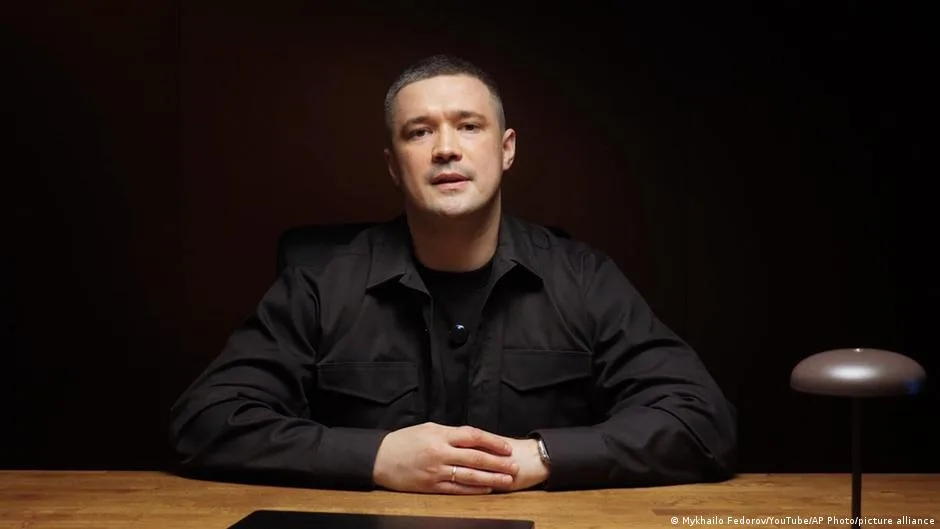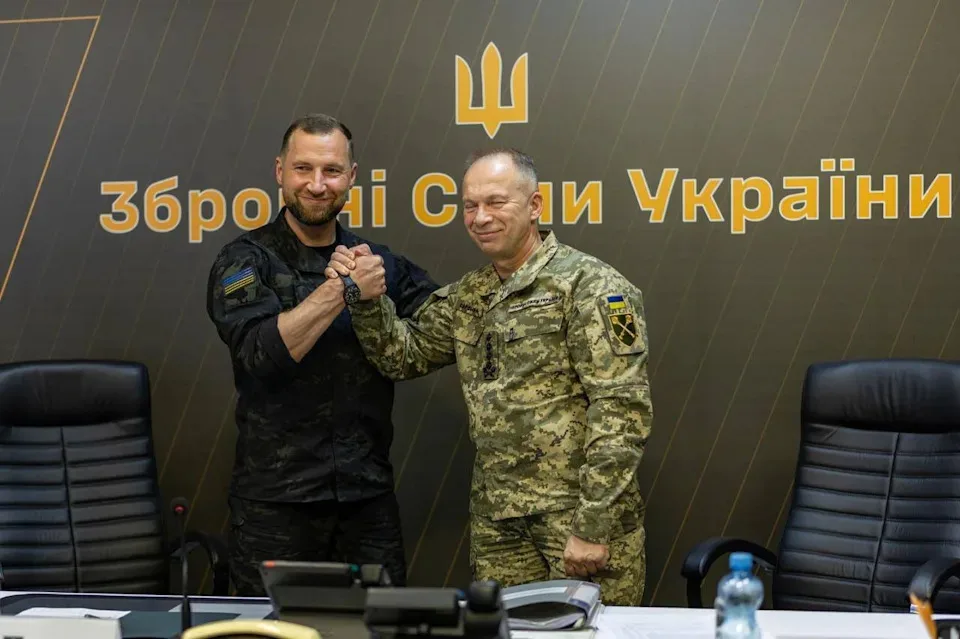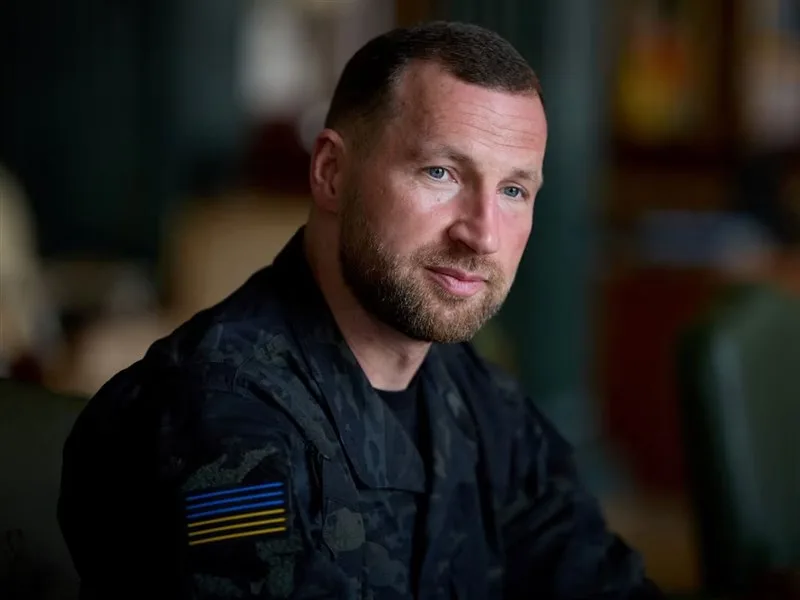
Ukraine’s former defense minister Mykhailo Fedorov publicly called for holding national elections despite martial law banning elections during wartime, in a YouTube video posted on August 18, 2026, marking a rare political challenge amid ongoing conflict with Russia [1, 2, 3, 4]. Fedorov, 35, dismissed in July after clashes with military leadership including Armed Forces Commander Oleksandr Syrskyi, argued that democracy should not be hostage to Russia and that Ukraine needs a legal, safe, and practical mechanism to hold elections even during prolonged war [1, 5, 2, 3, 4]. “Democracy must not become Russia’s captive. We fight because we want to preserve a free European state,” Fedorov said [1]. He added, “We must find a legal, safe and feasible process to fully restore democratic progress even in a protracted war” [4].
Fedorov was a close ally of President Volodymyr Zelenskyy when appointed defense minister in January but was removed in July amid internal disputes and criticism over the high frontline casualties [1, 6, 2, 3, 4]. His dismissal sparked rare wartime protests demanding his reinstatement and denouncing military leadership for command failures and losses on the more than 1,200-kilometer front [1, 6, 7, 3, 4]. Meanwhile, Zelenskyy appointed Yevhenii Khmara, a seasoned but lesser-known intelligence official, as acting defense minister pending parliamentary approval [1, 6, 5, 7, 8, 4]. On August 19, Ukraine’s parliament confirmed Khmara as defense minister, effectively blocking Fedorov’s return to the post [6, 5, 8, 4].
Martial law imposed since Russia’s 2022 invasion prohibits elections during wartime, citing security concerns including active frontlines, millions of displaced voters—4.4 million refugees in the EU and about 4 million internally displaced—and 4.5 million adults living in Russian-occupied areas [1, 9, 10]. Experts say holding elections would require building a legal framework from scratch, air ceasefire, and measures to prevent Russian interference, with the necessary legislation taking six months to draft [9, 10]. Political polls show most Ukrainians oppose elections amid war; however, support for Zelenskyy has dropped from around 90% to about 60%, while Fedorov’s popularity surged to 13% after his dismissal, with former military leaders also seen as potential challengers [9, 10].
The political turmoil comes as Ukraine faces further challenges. The National Anti-Corruption Bureau launched probes into Zelenskyy’s office officials over a scandal involving approximately 1.5 billion hryvnias [6, 5, 7, 8, 4]. Zelenskyy dismissed deputy office head Iryna Mudra amid the investigation [5, 8, 4]. Former top aide Andriy Yermak resigned due to related corruption allegations, which the EU has cited as a major obstacle to Ukraine’s EU accession [5, 8, 4].
Fedorov’s tenure was marked by military reforms and a push for modernization, particularly digital transformation and UAV adoption, which significantly influenced Ukraine’s defense efforts [1, 3].
On August 19, the Ukrainian parliament’s approval of Khmara as defense minister signals a consolidation of Zelenskyy’s control over military leadership and ends prospects for Fedorov’s return for now [6, 5, 8, 4]. The ongoing anti-corruption investigations could also reshape the political landscape in the coming months.