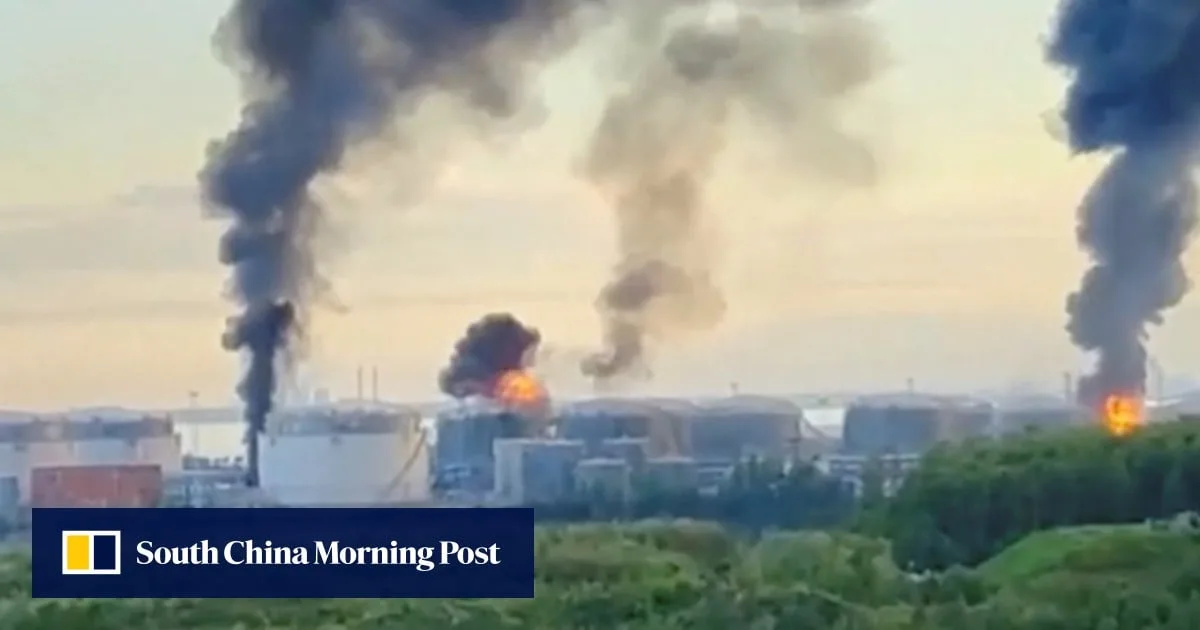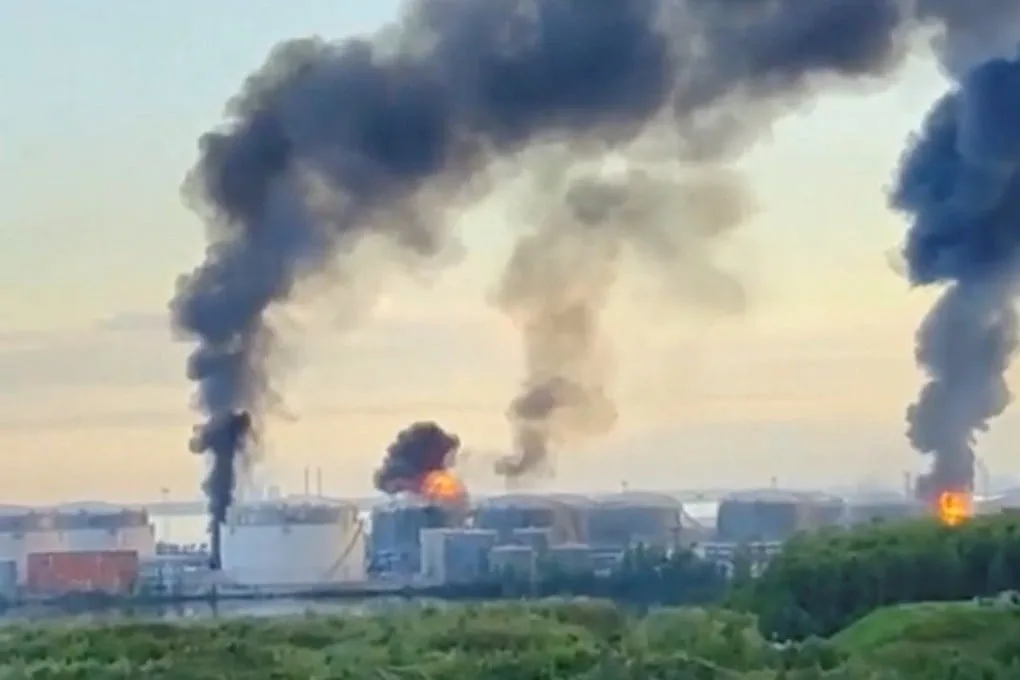
Ukrainian drone strikes on June 3, 2026, hit energy and military sites deep inside Russia, including in Saint Petersburg during President Vladimir Putin’s flagship economic conference [1, 2]. The strikes targeted oil facilities, a critical source of revenue for Russia’s war effort [1, 2].
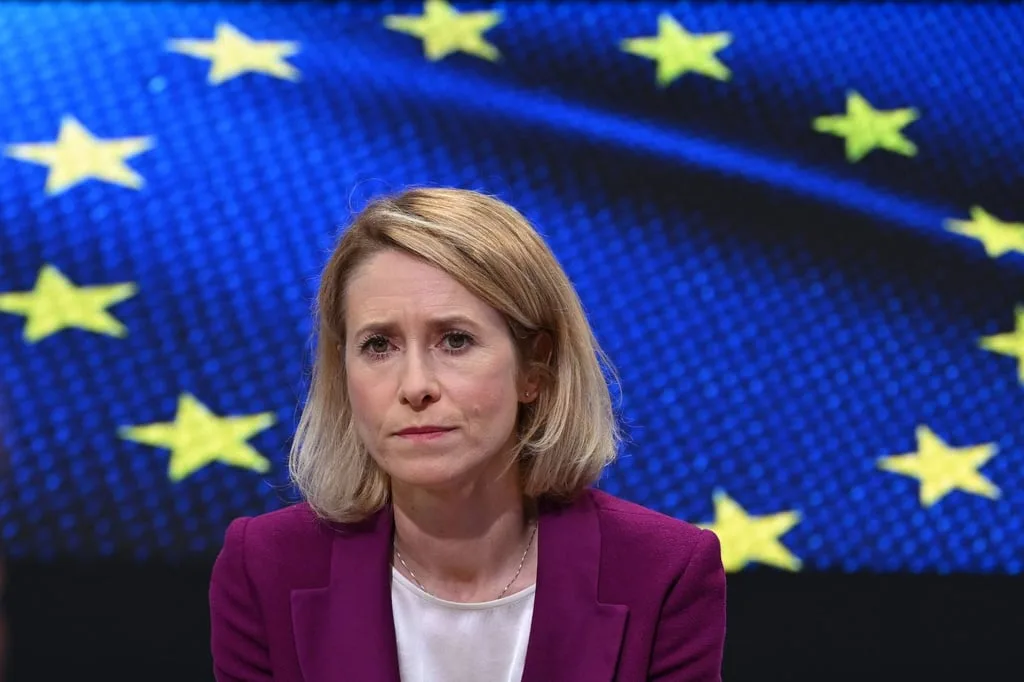
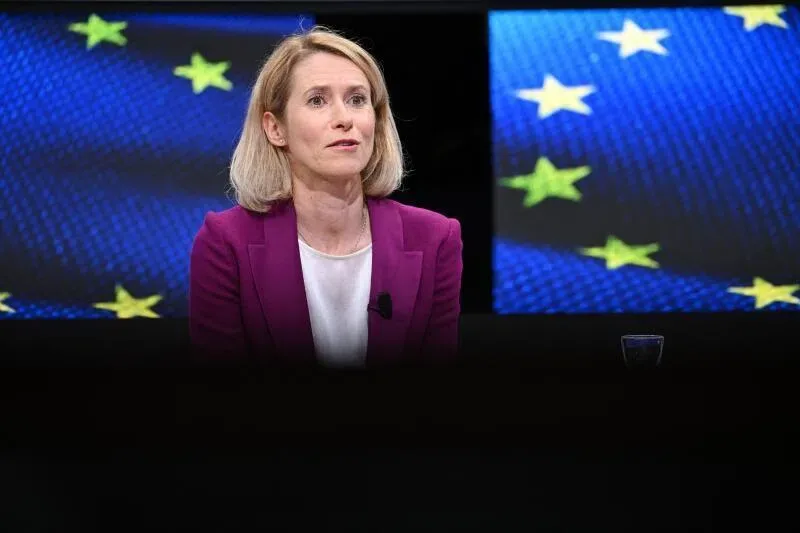
EU top diplomat Kaja Kallas said the strikes have caused panic within the Kremlin. She told reporters, "It clearly shows also panic on the Russian side – why they are increasing the terrorist attacks that they’re doing in Ukraine is because they don’t know what to do with these things" [1]. Kallas linked Russia’s escalating attacks on Ukrainian civilians to desperation caused by battlefield losses in money, manpower, and momentum [1, 2].
Russian forces launched a series of drone and missile attacks in Ukraine on June 2 that killed at least 23 people [1]. Ukrainian President Volodymyr Zelensky described the June 3 strikes as "fair" retaliation for Russia’s bombardment of Ukraine and warned of more to come [1].
Ukraine has stepped up deep strikes on Russian oil production sites to cut war funding [1, 2]. Meanwhile, the EU is preparing new sanctions targeting Russia’s military industry and financial institutions to further restrict Moscow’s war financing capabilities [1]. Kallas emphasized the EU is increasing support to Ukraine to help defend against ongoing Russian attacks and stated the EU cannot act as a neutral mediator given its strong backing of Kyiv [1].
The June 3 strikes marked a significant escalation as they struck at the heart of Russia's economic and military infrastructure during Putin’s key conference in Saint Petersburg, signaling Ukraine’s intent to target Kremlin assets directly. [1, 2]