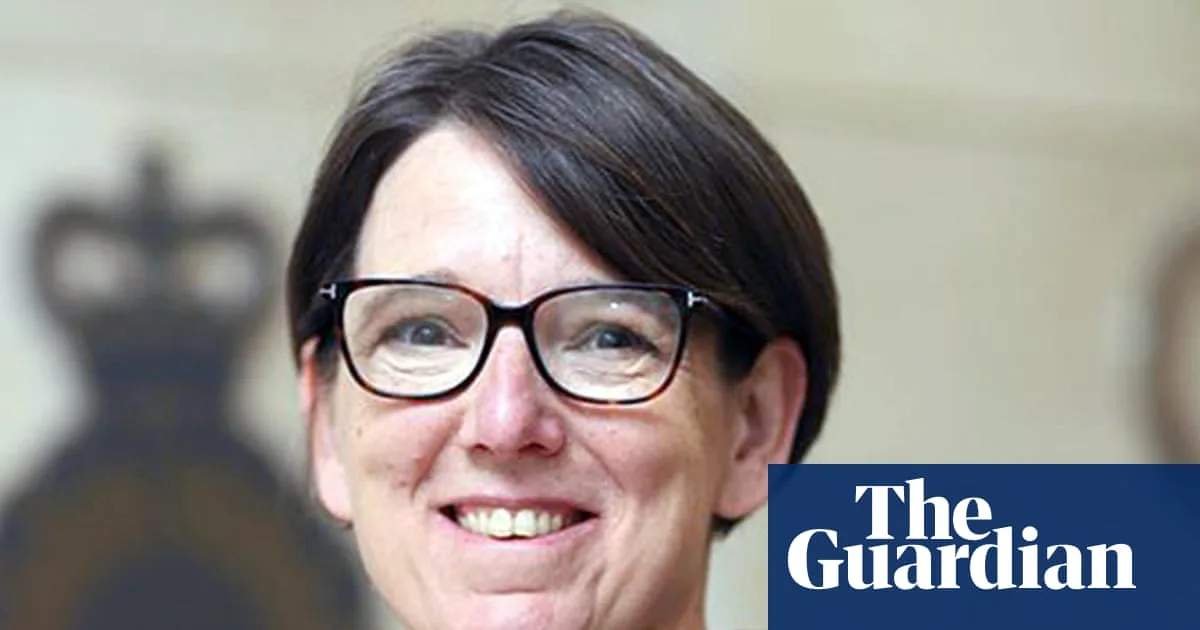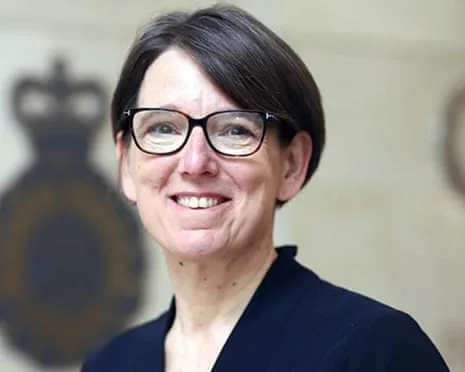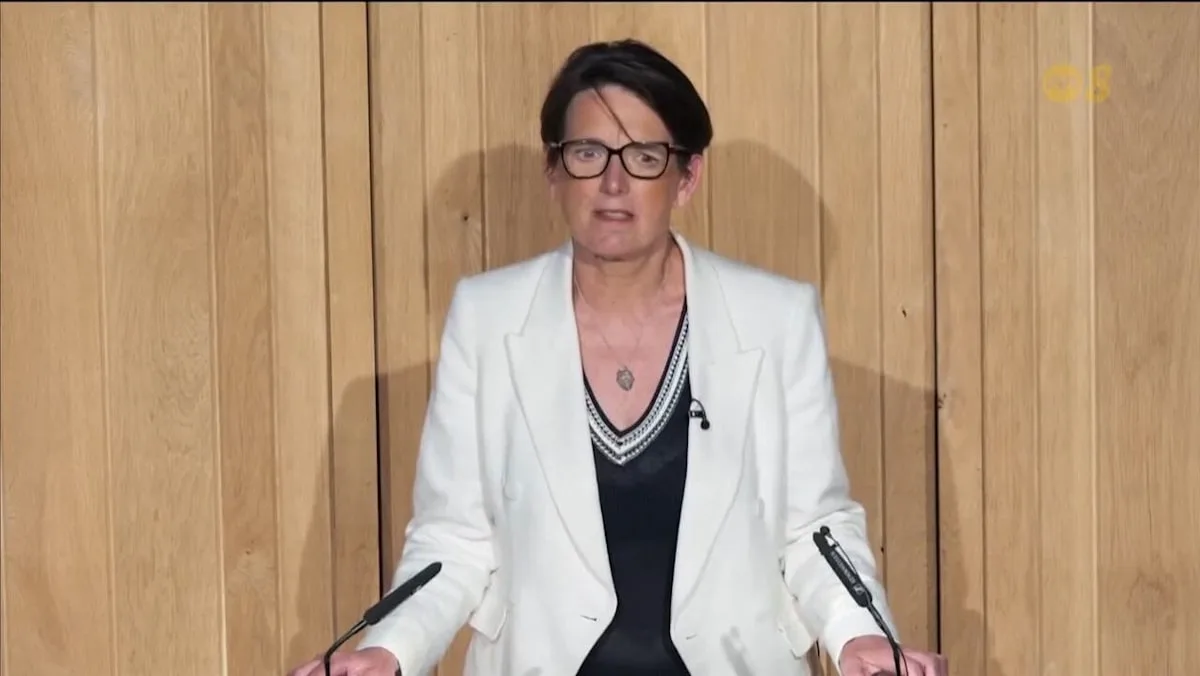
GCHQ Director Anne Keast-Butler delivered her inaugural public speech on May 27 at Bletchley Park, warning that the UK faces a "moment of consequence" amid escalating cyber and intelligence threats from Russia and China [1, 2, 3, 4, 5, 6]. She described a new era of "radical uncertainty and unprecedented risk of miscalculation," as geopolitical rivalry intensifies alongside rapid technological change [2].
Russia has been relentlessly targeting the UK's critical infrastructure, democratic processes, supply chains, and public trust through cyberattacks, sabotage, and assassination attempts, Keast-Butler said. Since Russia's full-scale 2022 invasion of Ukraine, it has waged a "hybrid war" against the UK and NATO allies, including espionage and sabotage efforts like placing firebombs in DHL parcels that ignited in Leipzig and Birmingham [1, 2, 3, 5, 6]. She emphasized that "Russia is relentlessly targeting critical infrastructure, democratic processes, supply chains and public trust" [2].
The UK intelligence agency is actively working to disrupt Russian smuggling of Western technologies and to protect against sabotage and assassination threats [1, 3, 4, 5, 6]. The 2018 attempted assassination of Sergei Skripal in Salisbury using Novichok was referenced as a prior example of such hostile acts [1]. Keast-Butler also highlighted that "as we remain steadfast in our support for Ukraine, Putin is going backwards on the battlefield" [1].
China was described as a "science and technology superpower" with advanced capabilities across intelligence, cyber operations, and military sectors. It is rapidly advancing artificial intelligence, which is shrinking "the window for the UK and allies to stay ahead in technology," Keast-Butler said [1, 2, 7, 3, 4, 5, 6]. She noted, "China is now a science and tech superpower – with sophisticated capabilities across their intelligence, cyber and military agencies" [2].
The National Cyber Security Centre (NCSC) reported last month that the UK faces around four major cybersecurity incidents weekly, primarily linked to Russia, China, and Iran [2, 6]. GCHQ collaborates with intelligence partners, defense agencies, academia, industry, and the public to counter these threats and promote stronger cybersecurity defenses [1, 2, 7, 4, 6]. Keast-Butler urged individuals to improve personal security, such as by switching from passwords to passkeys [1].
In response to the cyber threat environment, the UK government is developing a new national cyber defense blueprint incorporating advanced AI to speed responses to attacks [7]. Keast-Butler warned, "The ground beneath our feet is shifting in AI and technology" [1]. She concluded that "the risk of miscalculation has never been higher" [2].
Keast-Butler’s speech marks a clear signal that the UK is preparing for elevated state-sponsored cyber operations and hybrid threats. Follow-up briefings and updates on the cyber defense blueprint are expected later in 2026.