The UN Security Council held its first informal straw poll on July 30, 2026, to begin selecting the next Secretary-General who will succeed Antonio Guterres when his term ends December 31, 2026 [1, 2, 3, 4]. Seven candidates are competing: Michelle Bachelet of Chile, Maria Fernanda Espinosa of Ecuador, Rafael Grossi of Argentina, Rebeca Grynspan of Costa Rica, Olara Otunnu of Uganda, Carolyn Rodrigues-Birkett of Guyana, and Macky Sall of Senegal [1, 2, 3, 4].
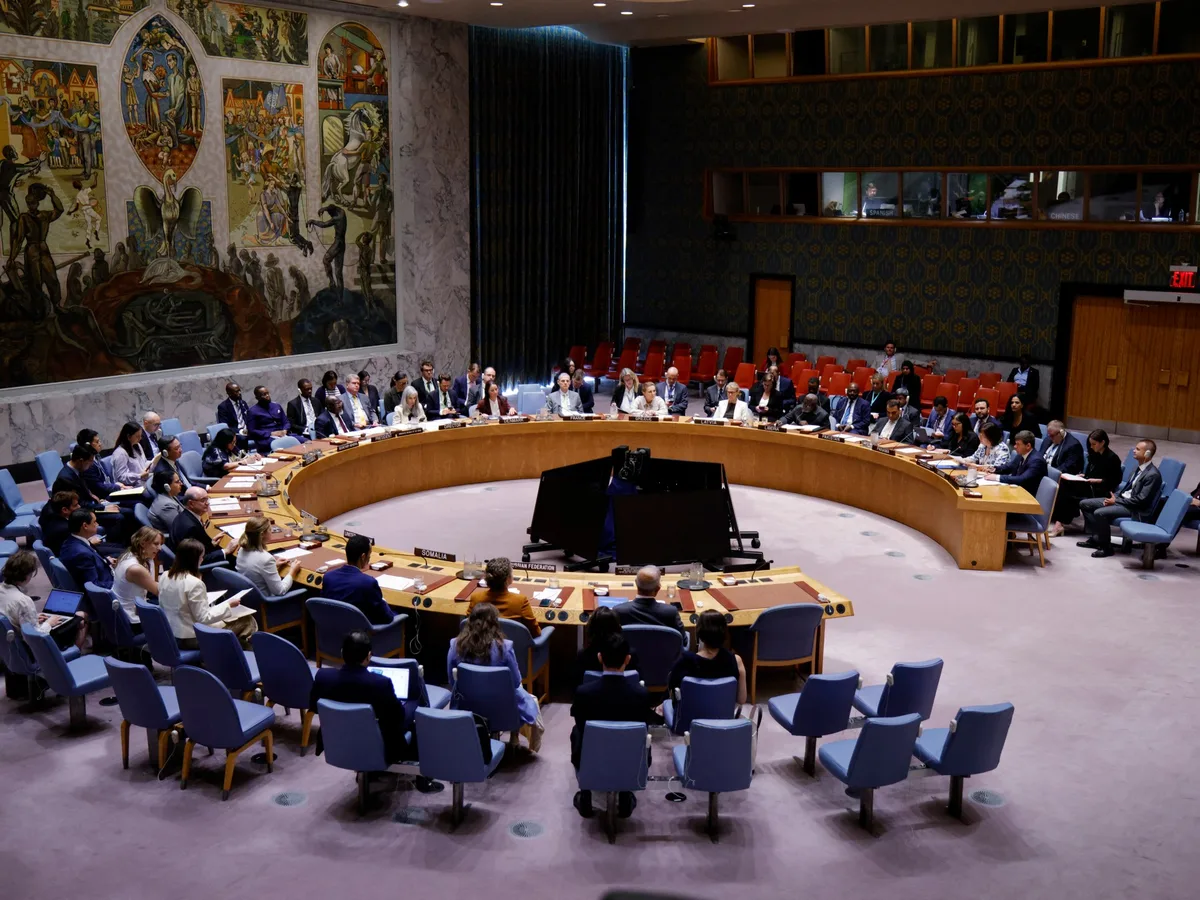
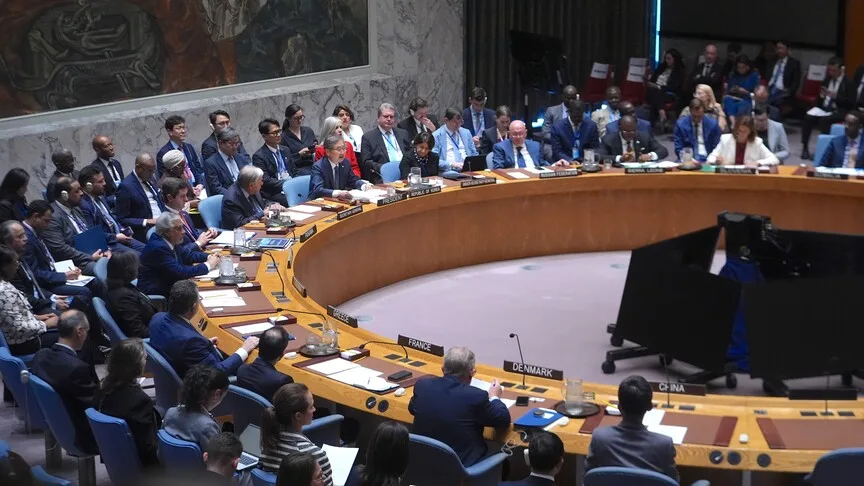
The 15-member council requires a candidate to secure at least nine votes without any veto from its five permanent members—China, France, Russia, the United Kingdom, and the United States—to be recommended for the post [1, 3, 4]. In the July 30 straw poll, reported but not officially disclosed, Rebeca Grynspan received 10 "encourage" votes, making her the early frontrunner, followed by Carolyn Rodrigues-Birkett with nine votes and Rafael Grossi placing third [2]. However, the Security Council chose not to publicly release the poll results to maintain confidentiality and avoid speculation. Council President Zenon Mukongo Ngay said, "The thinking behind is to keep everything close, and we want transparency at the same time, (and) efficiency, but we don't want speculations on that." He added the decision to withhold results was collective, not his alone [3].
Next straw polls are expected over the coming months as the council narrows the field. The final selection of the new Secretary-General is anticipated between September and December 2026 [2, 3]. The chosen candidate will start a five-year term on January 1, 2027 [3, 4].
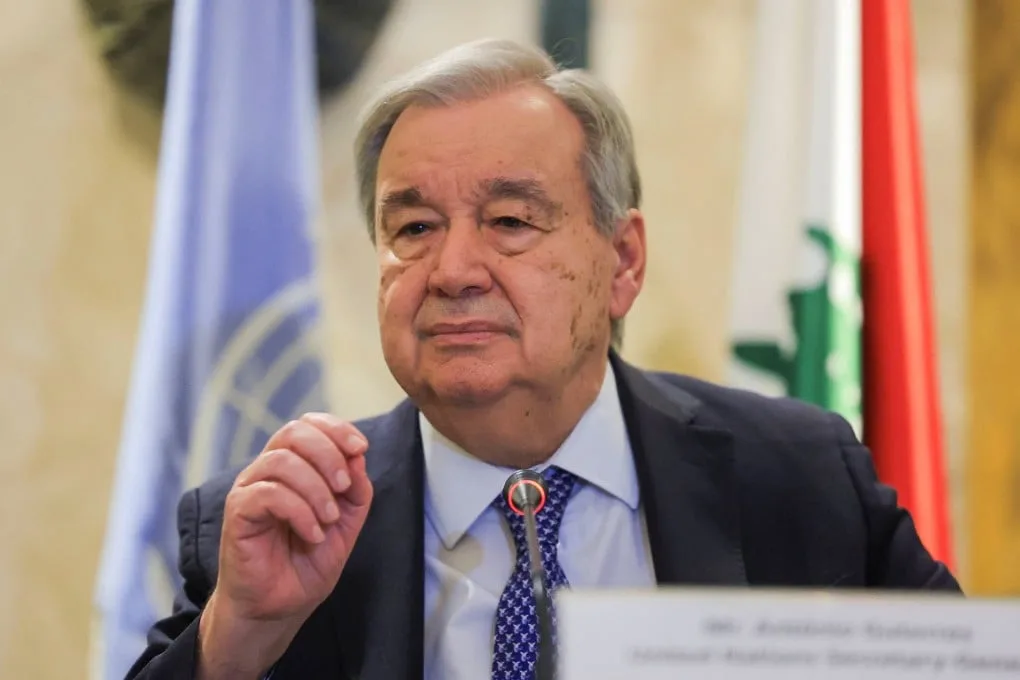
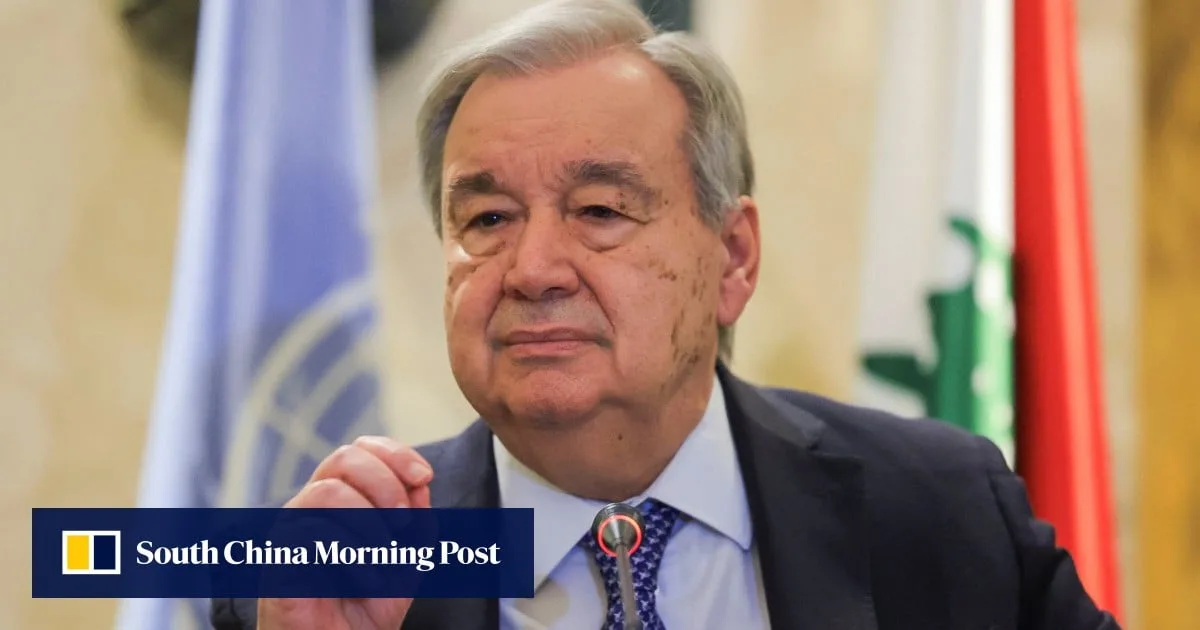
Current Secretary-General Antonio Guterres will complete his second term on December 31, 2026 [1, 3, 4]. The Security Council’s process, including the veto power held by its permanent members, will decide who leads the United Nations in the coming years [1, 3, 4].