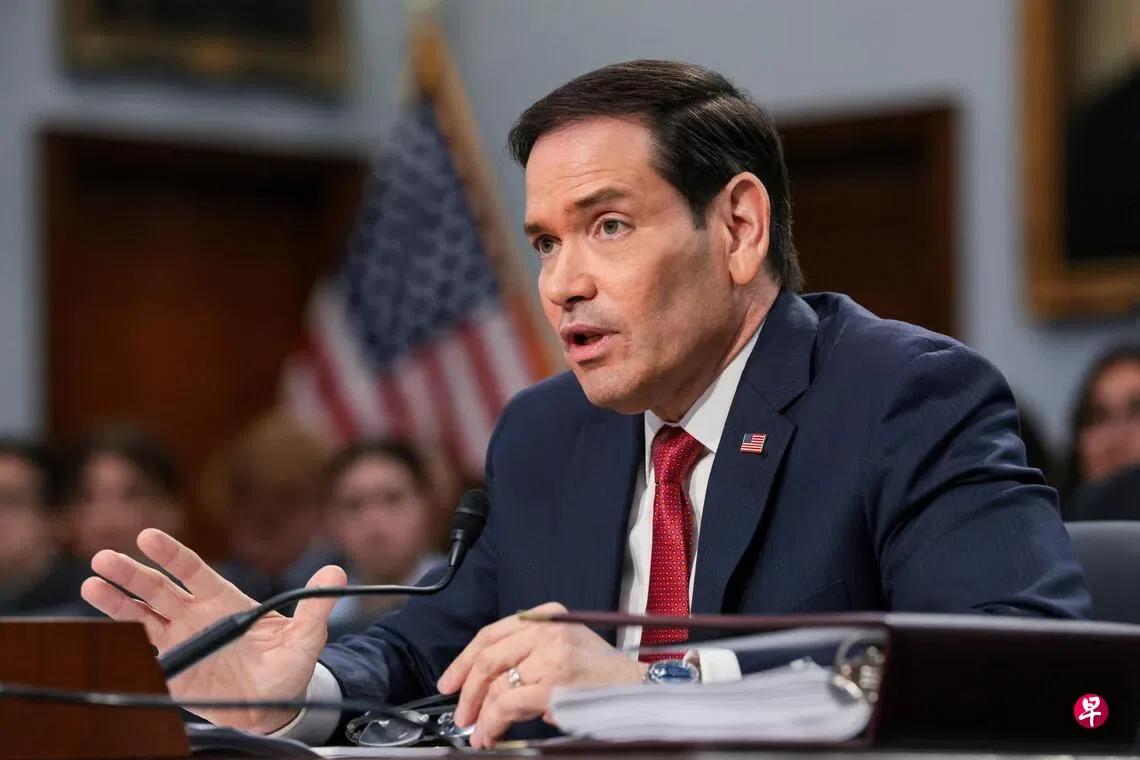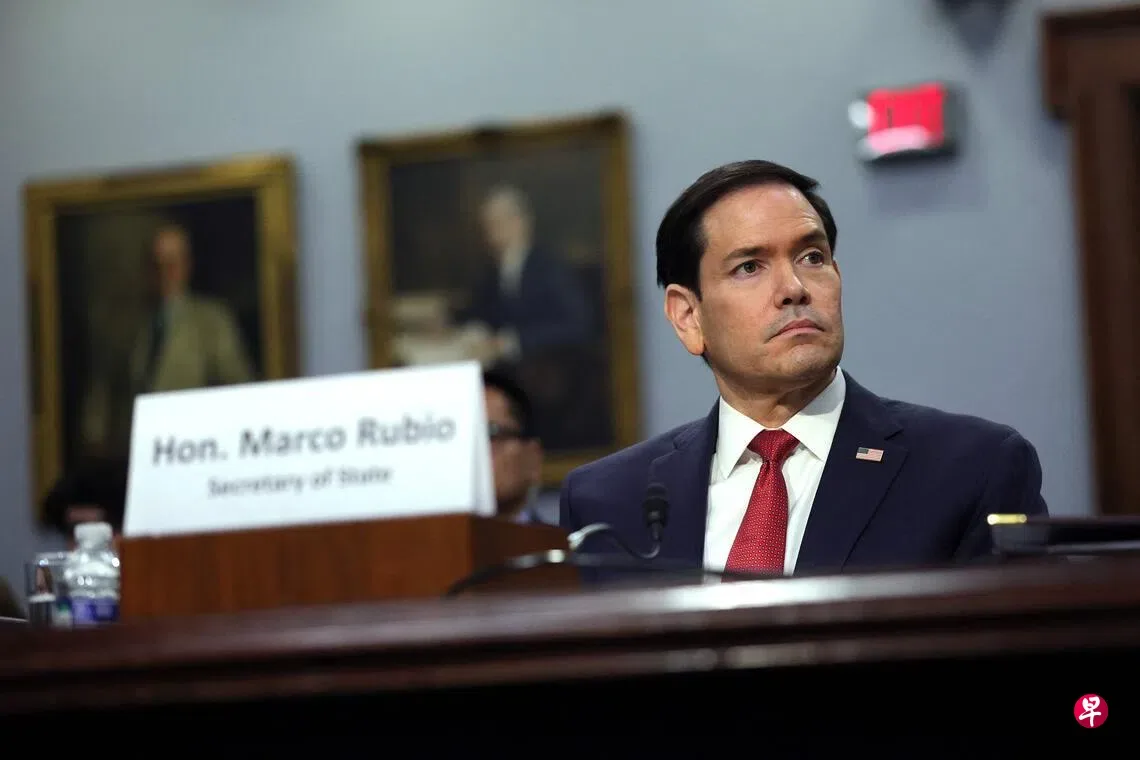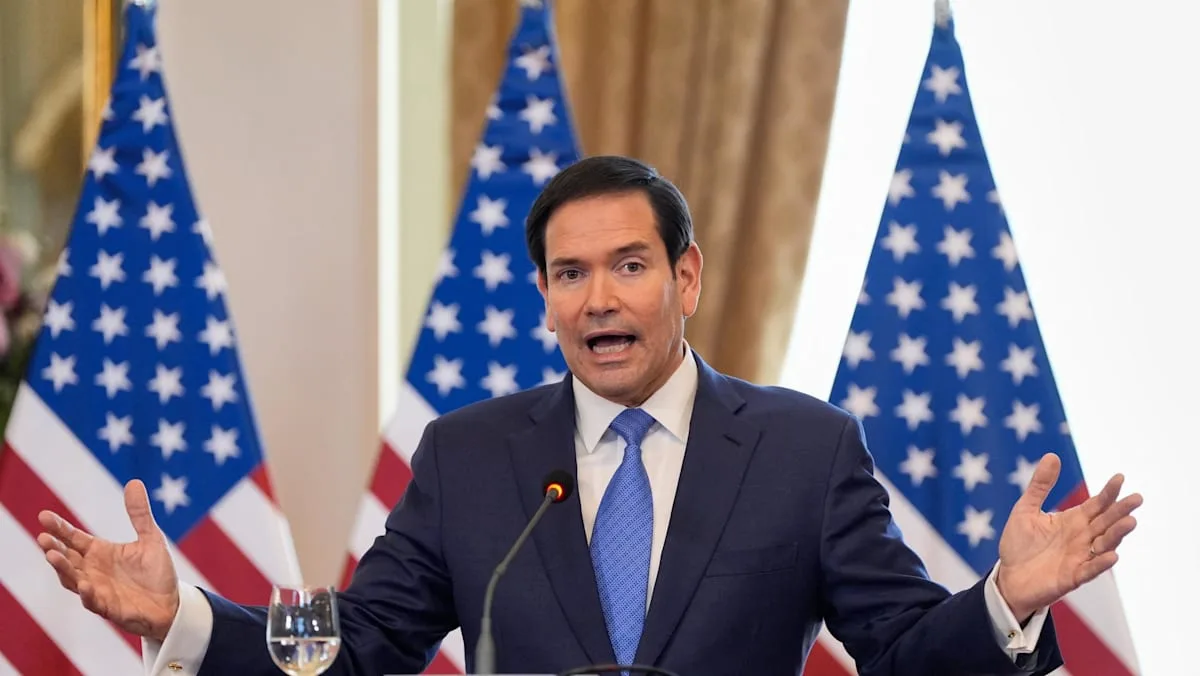
The United States is still reviewing a proposed $14 billion arms sale to Taiwan that includes advanced weapon systems such as Grumman's integrated combat command system, Patriot interceptors, anti-drone defenses, NASAMS air defense missiles, and M4A1 rifles, US Secretary of State Rubio said on June 2 and 3 during Senate hearings and committee briefs [1, 2, 3]. Rubio emphasized the US policy toward Taiwan has not changed, stating, "We want to see the status quo maintained as it is now. This is a very delicate and balanced relationship, but our Taiwan policy has not changed" [1]. He clarified that the sale is under internal review by the Defense Department, is not paused or canceled, and no consultations with China on the arms sale have taken place [1, 2, 3].
This review comes after a previous $11.1 billion arms sale to Taiwan was approved in December 2025, the largest single sale before this pending package [1, 4, 5, 6, 7]. The $14 billion package includes approximately $8.6 billion worth of Grumman and Patriot systems, $0.23 billion in anti-drone equipment, $5.3 billion in NASAMS missiles and launchers, and $0.5 billion in M4A1 rifles [1].
There is some disagreement on the status of the sale. US Navy acting Secretary Cao Hong said in May that the sale was temporarily delayed to ensure sufficient ammunition supply for US operations against Iran, but Rubio denied this constituted a formal pause, saying the review was internal and focused on balancing national defense industrial base concerns and timing ultimately decided by the President [1, 4, 8, 5, 6, 7, 9, 2].
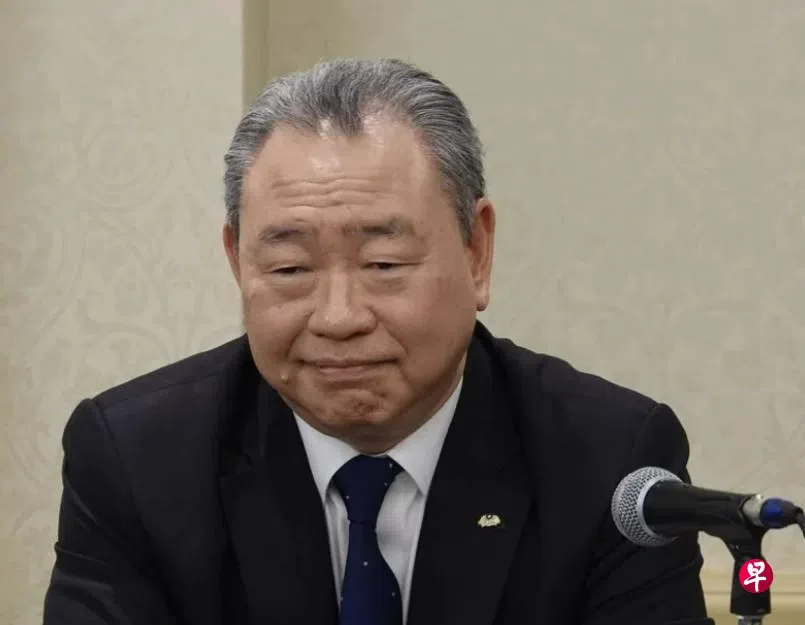
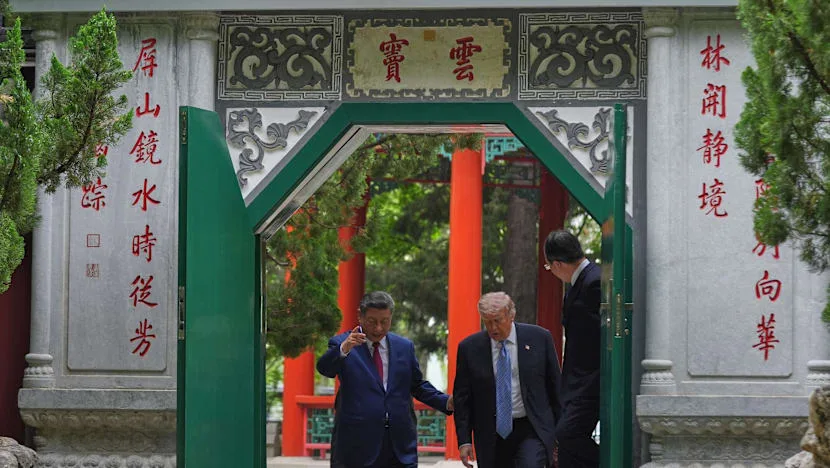
President Trump has described the sale as a "very good" negotiating chip with China but has not committed to approval, saying, "We are considering the [Taiwan arms sale]. I will talk to him anytime," referring to Taiwan President Lai Ching-te [1, 4, 8, 10]. Trump indicated he may speak with Lai before making a decision, a potential rare high-level contact [8, 10]. Taiwan officials including US representative Yu Da-yi and President Lai stress the importance of strong US-Taiwan cooperation and view the arms sales as crucial for Taiwan's defense against rising threats [8, 10]. Yu said, "We have not seen any weakening of US concern or attention toward Taiwan. The scale of US arms sales corresponds to the threat level Taiwan faces" [10].
China strongly opposes US arms sales to Taiwan and calls on the US to respect the One-China principle and cease military contacts with Taiwan. Chinese Taiwan Affairs Office spokesperson Zhu Fenglian said, "We firmly oppose the US carrying out any form of military contact with Taiwan and urge the US to respect the One-China principle" [4].
On June 6, Taiwan President Lai declined to confirm talks with Trump but reiterated the significance of Taiwan-US cooperation for cross-strait peace and stability [8, 10]. The US review of the $14 billion sale remains ongoing, with no formal approval expected imminently as deliberations continue within the Defense Department and the White House.